




The meaning of “Hakuna matata” extends way beyond a catchy Disney phrase. Swahili speakers use “Hakuna Matata” to express “no worries” or “no troubles” in English. The American Film Institute ranked this simple expression as the 99th best song in movie history after its appearance in The Lion King.
“Hakuna matata” carries deeper meaning beyond its word-for-word translation. The phrase shares strong ties with Ubuntu, an African humanistic philosophy that emphasizes human connectivity. The expression also teaches people to face life’s challenges with grace and optimism. While Disney portrayed it as a carefree attitude, the true English interpretation of hakuna matata reflects a cultural mindset about community resilience rather than avoiding responsibilities.
This piece will delve into hakuna matata’s authentic definition, Swahili roots, Disney’s interpretation of its meaning, and the philosophical implications that make this phrase more powerful than most people might think.

Table of Contents
The literal meaning of Hakuna Matata
“Hakuna matata” has become part of global pop culture. The phrase’s linguistic roots deserve a closer look. Many people know it from popular media, but learning its authentic meaning requires us to understand its Swahili origins.
What does Hakuna Matata mean in English?
Swahili speakers across East Africa use “hakuna matata” frequently. You’ll hear it in Kenya, Tanzania, Uganda, and the Democratic Republic of Congo. The phrase directly translates to “no trouble” or “no worries” in English. The meaning includes variations like “no problems,” “take it easy,” and “everything is okay”.
“Hakuna matata” means more than its literal translation. East African cultures embrace it as a life philosophy. The expression shows a relaxed attitude that helps people stay calm during challenges. This carefree viewpoint reminds us of other sayings like “don’t worry, be happy”.
Define Hakuna Matata: word-by-word breakdown
The meaning becomes clearer when we break down its parts:
- Hakuna: This Swahili word means “there is no,” “there isn’t,” “there are no,” or simply “none”. It acts as the negative part of the phrase.
- Matata: This translates to “troubles,” “problems,” or “worries”. It refers to the challenges you shouldn’t worry about.
These words together mean “there are no troubles”. People pronounce it as [hɑˈkunɑ mɑˈtɑtɑ] in phonetic form. The world now recognizes this pronunciation since the phrase became popular globally.
Hakuna Matata vs. Hamna Shida: local usage
Native Swahili speakers don’t use “hakuna matata” as much as you might think. Tourists hear “hakuna matata” often in East Africa, but locals prefer “hamna shida” among themselves.
This difference shows an interesting cultural shift:
- Hakuna Matata: Locals now use it mainly with tourists in Tanzania and Kenya. Disney’s “The Lion King” made it famous worldwide.
- Hamna Shida: Locals choose this phrase in their daily conversations[52]. “Hamna” works like “hakuna,” and “shida” means “problem” or “difficulty”.
Both phrases mean “all is well” or “nothing to worry about”. Tanzanians might say “shida kidogo” when real problems exist, which means “a little problem”. This shows how the language handles different worry levels while keeping a relaxed outlook on life’s challenges.
The difference between tourist phrases and local language shows how cultural expressions change with global attention. These phrases still capture East African resilience and their way of living in the present moment.
Cultural and philosophical roots in East Africa
The phrase “hakuna matata” comes from a rich philosophical background deeply rooted in East African cultural traditions. These words mean more than their literal translation. They represent a centuries-old life philosophy that shapes communities throughout the region.
Swahili origins and Ubuntu philosophy
The meaning of hakuna matata has its roots in the Swahili linguistic tradition that grew along the East African coast over a thousand years. Swahili became a lingua franca that helped trade between Arab merchants, Persian sailors, and indigenous Bantu-speaking peoples. This mix of cultures encouraged expressions that emphasized hospitality, conflict resolution, and emotional harmony.
The hakuna matata definition connects with Ubuntu—a basic African philosophical concept. Ubuntu highlights how we’re all connected, as shown in the phrase “I am because we are”. This point of view shows that personal well-being can’t be separated from group harmony. So what does hakuna matata mean in this context? It suggests that personal worries become smaller when you have community support.
A Kenyan elder puts it this way: “Ubuntu teaches us that our humanity is bound up in others. The hakuna matata approach reminds us that problems are manageable when shared across community.”
How the phrase reflects African resilience
The meaning of hakuna matata shows specific African values that build resilience:
- Acceptance – Acknowledging the limits of personal control
- Optimism – Trusting in positive eventual outcomes
- Present-moment focus – Releasing past regrets and future anxieties
These values show emotional intelligence rather than avoidance. Hakuna matata in this context means knowing when worry helps versus when it becomes harmful mental spinning. Elders taught younger generations that too much worry wastes energy that could go toward practical solutions or accepting things we can’t change.
This philosophical approach lines up with Western ideas like Stoicism, Buddhist detachment, and cognitive-behavioral therapy principles. They all focus on separating what we can control from what we can’t.
The role of community and present-moment living
The hakuna matata approach shapes how East Africans handle challenges. Traditional African understanding of time is different from Western precise timing. African cultures often see time in two dimensions, with a long past and a present, while the future extends from current reality.
This view values events and relationships more than strict schedules. What matters most is keeping good relationships with people and nature. The origin of hakuna matata’s meaning shows these values—problems exist, but they shouldn’t overwhelm us because we can handle them together.
The phrase assumes “you do not face challenges alone” and “the community will help”. This is quite different from individualistic cultures where people often deal with stress alone. Staying joyful and calm during hard times isn’t naive but shows strength against hardship. This approach helps lower emotional stress, builds resilience, and keeps people focused on solutions instead of panic.
The hakuna matata philosophy works as both a guiding principle and a practical way to cope. It has helped East African communities through difficult times. Its lasting importance shows the timeless wisdom it holds about dealing with life’s challenges.
Disney’s interpretation and global influence
Disney’s 1994 animated feature film “The Lion King” transformed an East African philosophical concept into a global cultural phenomenon. The movie used catchy music and lovable characters to help hakuna matata meaning exceed its Swahili roots. It became a worldwide catchphrase that stands for carefree living.
How The Lion King popularized the phrase
Disney animators discovered the Swahili phrase “hakuna matata” during their trip to Kenya for inspiration. They quickly realized that what does hakuna matata mean could strike a chord with audiences worldwide if presented artistically.
The marketing team placed the phrase front and center in promotional materials. This sparked immediate curiosity about the hakuna matata meaning in English. Disney positioned the term as a life philosophy rather than a foreign phrase. The strategy turned into a soaring win as “hakuna matata” became part of everyday vocabulary for millions who had never heard Swahili before.
The screenwriters thought over several catchphrases before picking this authentic East African expression. Their choice showed amazing cultural insight, as the hakuna matata definition became an essential part of the film’s identity and cultural effect.
Timon and Pumbaa’s version of Hakuna Matata
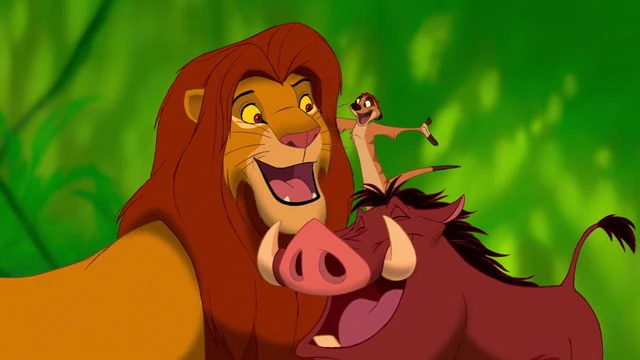
Nathan Lane and Ernie Sabella voiced the meerkat-warthog duo who taught young Simba (and viewers) their carefree philosophy. They did this through an Elton John musical number with Tim Rice’s lyrics. Their take offered a simple hakuna matata means ideology that focused on leaving troubles behind instead of the deeper cultural meaning.
Timon and Pumbaa’s version serves as a surface-level take on the hakuna matata meaning origin in the story. They teach Simba to run from his responsibilities and painful past – quite different from the real define hakuna matata philosophy that accepts troubles while keeping a balanced view.
These characters share their philosophy through memorable lines like “put your past behind you” and “no worries for the rest of your days.” These catchy but simplified interpretations value personal pleasure over community duty. This marks a big change from the Ubuntu-centered what is the meaning of hakuna matata that puts group wellbeing ahead of individual concerns.
The song’s impact on global audiences
The “Hakuna Matata” musical number achieved remarkable success:
- Ranked #99 on the American Film Institute’s “100 Years…100 Songs” list
- Received Academy Award and Golden Globe nominations for Best Original Song
- Achieved platinum certification on music streaming platforms decades after release
- Continues to generate substantial royalty revenue for Disney enterprises
The hakuna matata meaning spread worldwide after the film’s success. You could find it on everything from t-shirts to coffee mugs. East African tourism operators started using the phrase to attract Western tourists looking for authentic “Lion King experiences.”
Disney’s decision to trademark “Hakuna Matata” in 1994 sparked controversy. People started asking if cultural expressions should be owned by companies. The simplified hakuna matata def shown in the film has overshadowed the authentic philosophical depth of the original concept for many global viewers.
Disney’s take on the phrase shows both cultural amplification and subtle change. It raised global awareness of East African language while packaging its meaning for Western consumption and profit.
Misunderstandings and deeper consequences
The catchy tune and upbeat rhythm of “Hakuna Matata” masks a deep misunderstanding that carries serious psychological effects. The Lion King’s storyline turns this seemingly innocent phrase into a double-edged sword for its young hero.
Simba’s emotional escape and avoidance
Young Simba meets Timon and Pumbaa right after experiencing the trauma of watching his father die. These new friends share their hakuna matata meaning as a complete escape from problems. It’s worth mentioning that this view twists the true meaning of hakuna matata. Rather than helping Simba deal with his pain, they push him to run from his past and duties.
Mental health experts see this behavior as classic avoidance. The psychological viewpoint tells us, “What the brain forgets, the body remembers!” Simba might physically leave the Pride Lands, but his unprocessed trauma stays locked in his body. Of course, this escape offers quick relief but ended up blocking real healing.
The problem with forgetting the past
The hakuna matata definition that Timon presents clearly states: “When the world turns its back on you, you turn your back on the world.” This philosophy, combined with the idea to “put your past behind you,” creates major roadblocks in personal growth. Their twisted version of hakuna matata means running from pain instead of working through it.
Simba’s experience shows how avoiding problems guides someone toward stunted emotional growth. His body grows into an adult lion, but his emotional development stays frozen at the moment of his father’s death. His carefree appearance masks how unresolved guilt keeps him from truly knowing himself and his purpose.
Rafiki’s original intent vs. Timon’s version
The story sets up a clash between two ways of seeing what does hakuna matata mean. Rafiki stands for traditional wisdom and sees the hakuna matata meaning origin as building resilience rather than escaping. Timon’s take promotes cutting all ties with responsibility.
The best proof of this difference shows up when Rafiki tries to help Simba reconnect with his past instead of running from it. Meanwhile, Timon keeps pushing his selfish view that fits his relaxed lifestyle. This basic misunderstanding changes a teaching about resilience into an excuse for avoiding responsibility.
Nala’s arrival forces Simba to face the abandoned Pride Lands. Therefore, we see how twisting the hakuna matata means philosophy brings more pain, not freedom, to both Simba and his community.
Modern usage and cultural debates
Disney’s trademark of “hakuna matata meaning” in 2003 for clothing and footwear sparked worldwide debate. People across East Africa accused the corporation of exploiting their culture.
Trademark controversy and cultural appropriation
The public outcry concluded with a petition that got over 50,000 signatures. People just needed Disney to give up its trademark. Zimbabwean activist Shelton Mpala spoke against this decision, calling it “predicated purely on greed” and “an insult not only to the spirit of Swahili people but also Africa as a whole”. Kenyan intellectual property experts believed cultural expressions should belong to communities rather than corporations.
Is Hakuna Matata still meaningful today?
The hakuna matata definition remains deeply relevant beyond the trademark dispute, especially when comparing different ways of life. People in Western societies struggling with burnout and mental health could learn from this philosophy. The hakuna matata meaning in English today represents a choice to value one’s point of view over constant productivity—a remedy for our stress-filled culture.
How the phrase is used in tourism and pop culture
The what does hakuna matata mean question becomes complex in East African tourism due to business interests. Tourists find the phrase on everything from t-shirts to keychains. Local reactions range from genuine acceptance to gentle mockery. Some sellers profit from tourist expectations while understanding how commercialized the phrase has become. Native Swahili speakers now prefer using “hamna tabu” in their daily conversations.
“Hakuna matata” has grown way beyond its Swahili roots into a phrase people recognize worldwide. The expression carries deep East African wisdom about keeping your view during tough times, not just avoiding problems. Its true meaning aligns with Ubuntu philosophy that values community support and group wellbeing over personal interests.
Timon and Pumbaa’s Disney version brought this phrase to global audiences. The simplified Disney take changed its core message from mindful resilience to carefree living. Simba’s story shows this shift clearly – his choice to avoid his problems only delayed his healing.
Rafiki’s traditional wisdom stands in stark contrast to Timon’s carefree approach. This difference shows the gap between the phrase’s cultural roots and its commercial use. The trademark disputes also bring up questions about cultural expression ownership. Tourism and media keep celebrating the phrase while turning it into a commodity.
“Hakuna matata” speaks to people today, especially those dealing with stress and anxiety. Its authentic message about community support and keeping things in view can help many. The phrase connects different cultures despite its commercial changes. It reminds us of age-old wisdom about facing life’s challenges.
The phrase means more than just a catchy tune – it needs cultural context to be understood fully. It gives us both language and life lessons, teaching that problems exist but don’t have to control us if we stay resilient with community support. This deeper understanding lets us learn from its wisdom while honoring its cultural roots.
Here are some FAQs about the hakuna matata meaning:
What is the meaning of Hakuna Matata?
The phrase Hakuna Matata is a Swahili saying that translates to “no worries” or “no problems” in English. It is used to express a carefree, relaxed attitude towards life’s challenges. This is the direct hakuna matata meaning in english that became globally popular.
Is Hakuna Matata a real language?
Hakuna Matata is not a language itself; it is a phrase from the Swahili language, which is a real and widely spoken Bantu language in East Africa. The words are Swahili, with “hakuna” meaning “there is no” and “matata” meaning “troubles” or “worries.” So, while not a language, it is a real phrase with a clear meaning of hakuna matata.
Is it okay to say Hakuna Matata?
It is generally okay to say Hakuna Matata as it is a positive, friendly phrase meaning “no worries.” However, some people advocate for understanding its cultural origin and context within the Swahili language. Using it respectfully and acknowledging its meaning of hakuna matata is considered appropriate by most.
What is Hakuna Matata in Korean?
In Korean, you would convey the carefree sentiment of Hakuna Matata rather than a direct translation. A similar expression might be “걱정 말아요” (geokjeong marayo), which means “don’t worry.” The phrase captures the same spirit as the meaning of hakuna matata, which is to live without troubles.
What is the most famous Swahili phrase?
Arguably the most famous Swahili phrase in the world is Hakuna Matata, due to its feature in Disney’s *The Lion King*. Another very well-known phrase is “Jambo,” which is a greeting meaning “hello.” The global recognition of hakuna matata meaning origin from Swahili has made it iconic.
What does Hakuna Matata mean in the Bible?
The phrase Hakuna Matata does not appear in the Bible, as it is a modern Swahili expression. The Bible does contain verses that encourage believers not to worry, such as Philippians 4:6, which conveys a similar sentiment. Therefore, while the specific phrase isn’t biblical, the concept behind what is the meaning of hakuna matata aligns with some biblical teachings on anxiety.