



Winter roads can look calm and perfectly safe, especially during early morning drives or after a light snowfall. Black ice is dangerous because it blends into the pavement, giving drivers little to no warning before tires lose traction. Malman Law often sees how these hidden hazards lead to sudden and serious crashes, particularly on busy roads shared with large trucks. Even cautious drivers can find themselves sliding without understanding what went wrong. Knowing how to spot the subtle signs of black ice can help you stay safer and know when it is time to seek legal help after an accident.
Table of Contents
- 1 What Black Ice Really Is and Why It Forms
- 2 The Road Looks Wet, but It Has Not Rained
- 3 Your Tires Suddenly Sound Different
- 4 The Steering Feels Light or Loose
- 5 Traffic Ahead Is Moving Strangely
- 6 Bridges and Overpasses Are Always Higher Risk
- 7 Why Black Ice Is Especially Dangerous Around Trucks
- 8 What To Do If You Hit Black Ice
- 9 When a Black Ice Accident Involves a Truck
- 10 Why Talking to a Truck Accident Lawyer Can Help
- 11 Staying Alert and Knowing Your Options
What Black Ice Really Is and Why It Forms
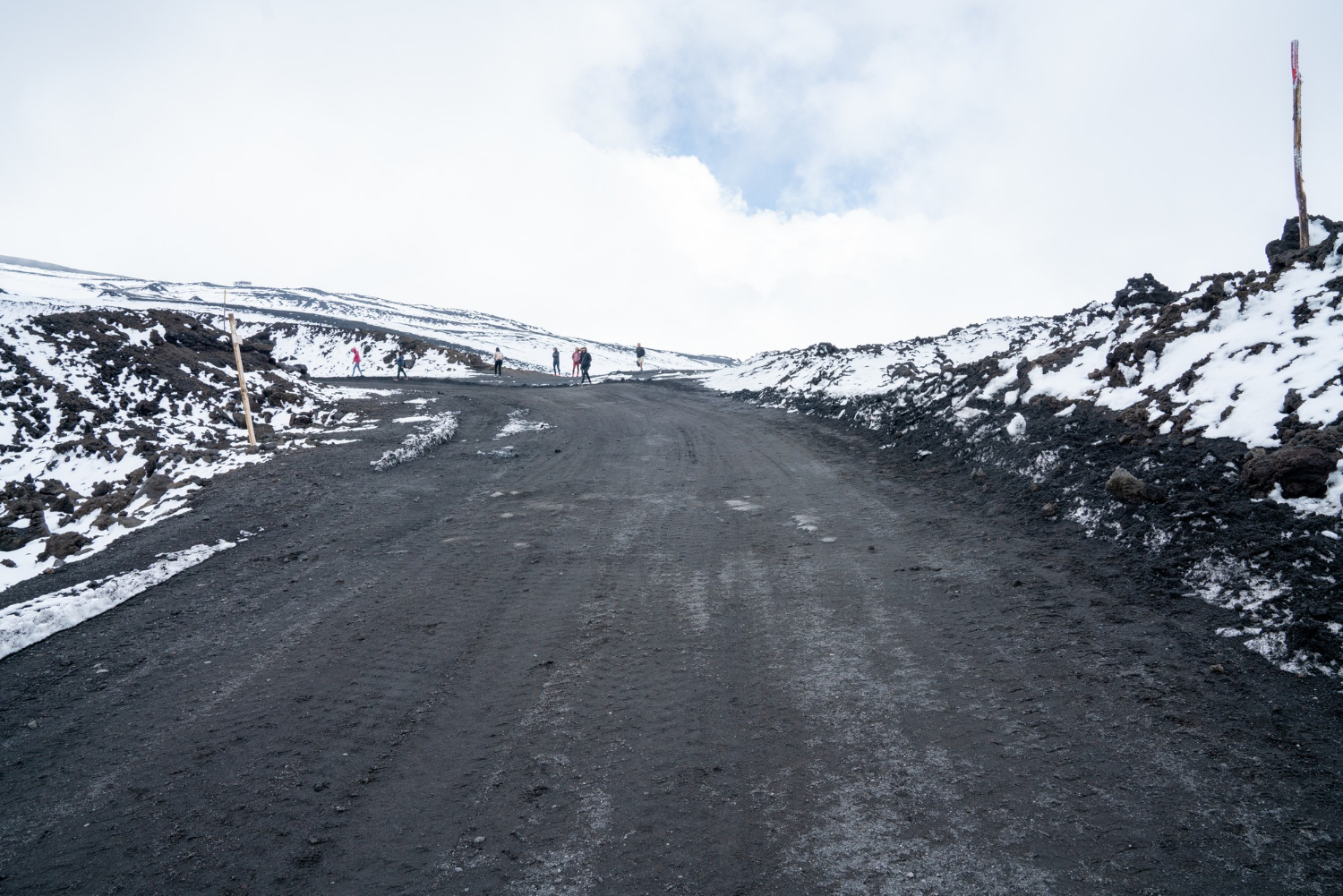
Black ice is a thin, nearly invisible layer of ice that forms when moisture freezes on the road surface. It often develops overnight or in early morning hours, especially when temperatures hover around freezing. You are most likely to encounter it on bridges, overpasses, and shaded areas that do not get much sunlight.
The Road Looks Wet, but It Has Not Rained
When the road looks shiny or slick on a cold day, it may not be water at all. Black ice often creates a wet looking surface even when there has been no rain or melting snow. If the pavement suddenly appears glossy, it is a good sign to slow down and stay alert.
Your Tires Suddenly Sound Different
You might notice your tires go quiet or make a faint humming sound as you drive. That change can mean your tires are no longer gripping the road the way they should. When the sound under your car shifts in cold weather, it is often a subtle warning that black ice may be present.
The Steering Feels Light or Loose
When your steering wheel suddenly feels lighter than normal, it can be unsettling. This often happens when your tires start to lose contact with the road due to black ice. If the car feels like it is drifting or not responding right away, it is a sign to ease off and stay calm.
Traffic Ahead Is Moving Strangely
Sometimes the first clue comes from the cars in front of you. You might see vehicles braking earlier than usual, swaying slightly, or moving much slower than expected. When traffic behavior seems off for no clear reason, black ice could be the cause.
Bridges and Overpasses Are Always Higher Risk
Bridges and overpasses freeze faster than regular roads because cold air moves above and below them. Even if nearby pavement feels fine, these elevated areas can still be slick with ice. Slowing down before crossing them can help you avoid a sudden loss of control.
Why Black Ice Is Especially Dangerous Around Trucks
Black ice becomes even more dangerous when large commercial trucks are nearby, since their size and weight leave very little room for error on slick roads.
Longer Stopping Distances
Trucks need far more distance to slow down or stop, even in ideal conditions. When black ice is present, that stopping distance increases dramatically, making rear end and multi vehicle collisions more likely.
Greater Loss of Control When Skidding
If a truck hits black ice, the driver may struggle to regain control due to the vehicle’s weight and trailer movement. A small skid can quickly turn into a jackknife or rollover that puts everyone on the road at risk.
More Severe Impact in a Collision
Truck accidents tend to cause more serious injuries because of the force involved. When black ice triggers a crash, passenger vehicles often take the brunt of the damage, leading to life changing consequences for drivers and passengers.
What To Do If You Hit Black Ice
Hitting black ice can be frightening, but knowing how to respond calmly can help you stay safe and avoid making the situation worse.
Stay Calm and Avoid Sudden Moves
Panicking can make it harder to control your vehicle. Keep your hands steady on the wheel and avoid jerking or overcorrecting, which could worsen a skid.
Ease Off the Gas
Take your foot off the accelerator gently instead of slamming on the brakes. Gradually reducing speed helps your tires regain traction and reduces the chance of spinning out.
Steer Gently in the Direction You Want to Go
If your car begins to slide, point the wheel in the direction you want the front of the car to move. Smooth, controlled steering is more effective than quick, sharp turns.
Keep a Safe Distance from Other Vehicles
Even if you are slowing down, stay alert to cars behind or around you. Black ice can cause sudden braking or sliding, so extra space gives everyone time to react safely.
Call for Help if Needed
If the situation leads to an accident, make sure to contact authorities and check for injuries. Document the scene safely, as this information can be important if you need to consult a lawyer afterward.
When a Black Ice Accident Involves a Truck
Accidents involving black ice can be dangerous on their own, but when a truck is involved, the risks and consequences increase significantly.
Higher Risk of Severe Injuries
Truck collisions often result in more serious injuries because of the vehicle’s size and weight. Passengers in smaller vehicles can face life-changing injuries even in low-speed incidents.
Multiple Parties May Be Responsible
Liability can extend beyond the truck driver to the trucking company, vehicle maintenance providers, or even road authorities. This makes it important to carefully investigate who is at fault after an accident.
Complex Legal and Insurance Issues
Truck accidents involve commercial insurance policies and federal regulations, which can make claims more complicated. Working with professionals can help ensure that victims receive fair compensation for medical costs, lost wages, and pain and suffering.
Immediate Action is Crucial
Documenting the scene, collecting evidence, and contacting authorities right away can make a big difference in building a strong case. Early action helps protect your rights and supports a smoother legal process if you need to involve a lawyer.
Why Talking to a Truck Accident Lawyer Can Help
After a black ice accident involving a truck, speaking with a truck accident lawyer can make a big difference in protecting your rights and recovering compensation.
Understanding Your Legal Options
A lawyer can explain your rights and the steps you can take after a serious accident. They help you understand who may be liable and what kind of compensation you can pursue for medical bills, lost wages, and pain and suffering.
Investigating the Accident Thoroughly
Truck accident lawyers know how to gather critical evidence such as driver logs, maintenance records, and black box data. This information can show whether the driver or trucking company failed to follow safety rules.
Handling Insurance Companies
Dealing with insurance companies on your own can be overwhelming and sometimes unfair. A lawyer negotiates on your behalf to ensure you are not pressured into accepting less than you deserve.
Maximizing Compensation for Serious Injuries
Because truck accidents often result in severe injuries, having an experienced lawyer can help ensure you receive compensation that reflects the full impact of your accident. They work to cover medical expenses, ongoing care, lost income, and other damages.
Peace of Mind During Recovery
Focusing on your recovery is hard when legal and financial concerns are pressing. A lawyer can handle the complex parts of your case so you can concentrate on healing and getting back to normal.
Staying Alert and Knowing Your Options
Black ice is unpredictable and can turn even a short drive into a dangerous situation, especially around trucks. Knowing the warning signs and how to respond can help keep you safe on the road. If you are involved in a serious accident, Malman Law can guide you through the legal process and help ensure you get the support and compensation you deserve.