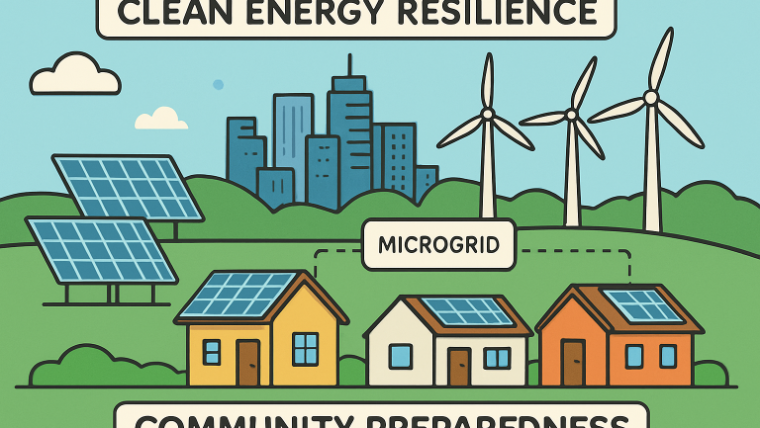




Community solar continues to reshape how neighborhoods and municipalities access clean energy, delivering unparalleled benefits to those who have traditionally been left out of the solar movement. Unlike individual rooftop installations, community solar projects harness the power of pooled investments, enabling a wider audience to participate in—and profit from—renewable energy production. This collective approach is particularly helpful for those who rent, reside in multifamily complexes, or own homes that are not ideal for solar panel installation. For residents seeking to join the local solar movement, partnering with a trusted solar panel company in Central PA can be the first step toward greater energy independence and sustainability.
Community solar offers a flexible and inclusive model by distributing costs, risks, and rewards among participants. Recent trends in the field include multifunctional infrastructure, improved project management, and strong policy support, promoting a clean energy transition that benefits communities as a whole. Research shows that participants in community solar are often from multifamily housing or rental properties, highlighting its role in advancing energy equity in the U.S. As cities and states pursue climate goals, community solar continues to develop strategies to dismantle various barriers to access.
Table of Contents
Expanding Access to Diverse Populations
The evolution of community solar lies in its ability to serve populations who previously faced insurmountable obstacles to solar adoption. Studies show that these projects are not only more accessible for renters and low-income households, but they’re also more likely to reach urban neighborhoods, where traditional rooftop installations are less feasible. By tapping into a shared system, users can subscribe to a portion of a local solar array and receive credit on their utility bills for the energy produced, regardless of their housing situation. According to Time, this model is closing the energy equity gap and delivering cleaner power to a wider demographic.
Dual-Purpose Solar Installations
Maximizing Existing Infrastructure
Communities are embracing dual-purpose solar installations, which capture energy from unused or underutilized public infrastructure while serving additional purposes. The University of Wisconsin–Madison stands out with its installation of solar panels on top of 20 campus bus shelters. This initiative not only supplies local renewable energy but also offers much-needed shade for passengers, demonstrating a creative and pragmatic use of space. Likewise, San Antonio’s adoption of solar carports across municipal parking lots proves that solar can provide practical, day-to-day benefits alongside clean energy. These solutions demonstrate how cities can meet two needs with a single investment, enhancing both convenience and sustainability.
Self-Performance Models
Speeding Up Solar Deployment
To bypass common bottlenecks and reduce project costs, some solar developers are transitioning to self-performance models. By managing grid upgrades and infrastructure changes in-house—responsibilities typically handled by utility companies—firms such as Nexamp have reduced delays and kept projects moving swiftly from planning to production. The result? More reliable timelines, less bureaucratic red tape, and closer collaboration with utilities that ultimately expedite community access to solar energy. This agile approach reduces costs and creates opportunities for further innovation in community solar projects, even as demand grows and market conditions shift. ([nexamp.com](https://www.nexamp.com/article/proving-the-future-of-interconnection-nexamps-self-performance-approach-delivers-results-in-three-pilot-projects))
Collaborative Efforts and Policy Support
The Role of Local Government and Community Organizations
Strong partnerships between municipalities, nonprofits, and residents are foundational to the success of community solar. Programs like SolSmart, funded by the U.S. Department of Energy, empower local governments with tools, technical expertise, and guidance on zoning, permitting, and market development. This hands-on support helps communities overcome permitting challenges, reduce administrative burdens, and streamline the rollout of solar projects. By sharing best practices and providing actionable roadmaps, policy initiatives ensure that solar is not only accessible but affordable—making it a truly community-driven resource.
Conclusion
Through innovative strategies—such as expanding access to diverse populations, installing solar arrays with multiple community uses, adopting self-performance models, and championing collaborative public partnerships—community solar projects are helping to power a more resilient, equitable, and sustainable future. These cutting-edge approaches ensure that clean energy is within reach for all, setting the gold standard for solar expansion in the years ahead.