




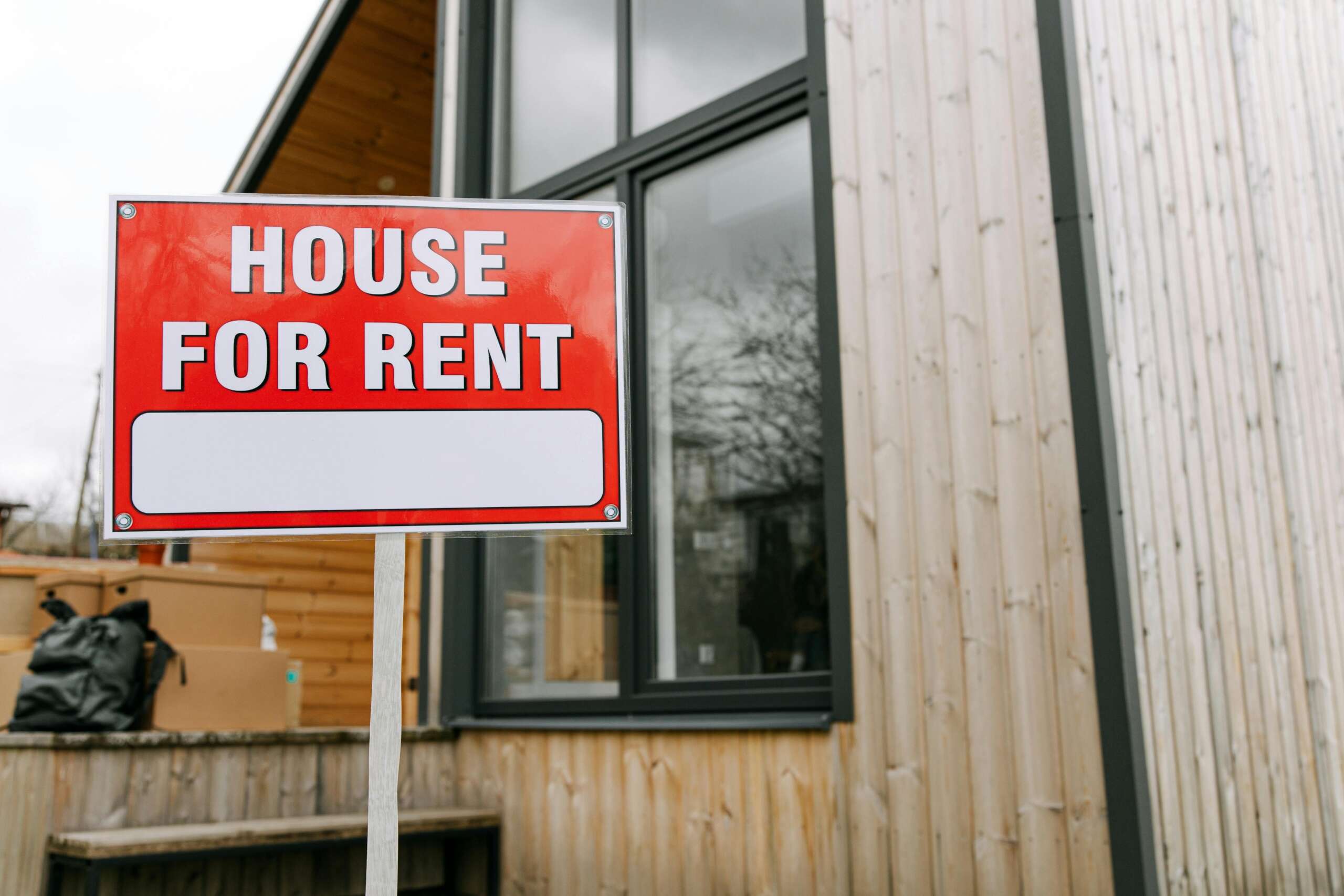
Managing rental properties efficiently requires the right tools to handle marketing, tenant screening, lease generation, rent collection, and maintenance—all while keeping costs in check. In 2025, a variety of platforms cater to landlords of every size, from those with a single duplex to those overseeing hundreds of units. Below, we dive deeper into seven of the top property management solutions, breaking down their key features, strengths, and trade-offs to help you make an informed choice.
Table of Contents
#1 TurboTenant Review 2025
Best for streamlined, mobile-friendly property management
TurboTenant consolidates everything an independent landlord needs into one intuitive platform. On the marketing side, it lets you craft and syndicate listings to Zillow, Apartments.com, HotPads, and other major sites with a single click, saving hours compared to posting each individually. The tenant-screening process is equally smooth: applicants complete credit, criminal, and eviction checks online, and you receive a standardized report that highlights potential red flags.
Lease creation is handled via customizable, state-specific templates that ensure compliance with local regulations, and tenants can e-sign documents from any device. Rent collection and maintenance tracking live under the same roof: tenants pay online or set up autopay, and maintenance requests are logged, tracked, and resolved through a central dashboard you can access on your phone or desktop. For landlords who want a deeper dive into cash flow, paid upgrades unlock double-entry accounting, faster payouts, and year-end tax reporting.
Pros
- One-click listing syndication across top rental sites
- Fully mobile-optimized for managing on the go
- Free core tools with optional paid accounting and payout upgrades
Cons
- Advanced accounting features require an extra subscription
- May have more capabilities than very small landlords need
#2 AppFolio
Best for scaling with AI-powered automation
AppFolio is built for landlords and property managers overseeing mid-sized portfolios—typically 100 units and up—who want to leverage automation to reduce manual work. Its standout feature is the AI leasing assistant: a chatbot embedded on your listing pages that fields tenant questions, schedules showings, and pre-qualified leads 24/7. This hands-off approach to lead generation helps fill vacancies faster.
On the back end, AppFolio’s integrated accounting module handles everything from bank reconciliations to owner distributions, complete with customizable financial reports. Maintenance management is robust, too: tenants submit requests via a portal, vendors are auto-notified, and you can track work orders from start to finish. Built-in mobile apps for both managers and tenants mean updates happen in real time, wherever you are.
Pros
- AI chatbots for around-the-clock leasing support
- Comprehensive, built-in accounting and reporting
- Scales easily as your portfolio grows
Cons
- Higher per-unit fees can add up for small portfolios
- A feature-rich interface may require a learning curve
#3 Buildium
Best for landlords who need powerful accounting and compliance
Buildium focuses on the financial side of property management. Its accounting suite mirrors what you’d find in stand-alone bookkeeping software: double-entry ledgers, customizable charts of accounts, and automated bank feeds. You can generate profit-and-loss statements, balance sheets, and owner distribution reports at the click of a button—ideal for landlords juggling multiple properties or running small rental businesses.
Compliance features help you stay on top of state and local regulations with built-in reminders for notices, late fees, and annual filings. The tenant and owner portals ensure transparency: tenants can view their payment history and open maintenance tickets, while owners see real-time financial statements for their investments. Document storage keeps leases, vendor contracts, and inspection reports in one searchable archive.
Pros
- Industry-grade accounting tools tailored to rentals
- Automated compliance reminders and notice generation
- Transparent portals for tenants and owners
Cons
- User interface can feel dated compared to newer platforms
- Customer support wait times may be longer during peak season
#4 Rentec Direct
Best for budget-conscious landlords seeking core functionality
Rentec Direct delivers all the essentials—tenant screening, online rent payments, and basic accounting—at a lower price point than many competitors. You can screen applicants with national credit, criminal, and eviction databases, and integrate those reports directly into your rental listings. Tenants pay via ACH or credit card, and you receive notifications and automated reminders for late payments.
The accounting module covers general ledgers, customizable expense categories, and bank reconciliations. While it doesn’t match the depth of Buildium’s reporting, it’s more than sufficient for landlords with fewer than 50 units. The landlord and tenant portals are straightforward, and customer support gets high marks for responsiveness.
Pros
- Competitive pricing with no setup fees
- Free portals for tenants and property owners
- Reliable tenant screening and payment integrations
Cons
- Fewer third-party add-ons and integrations
- Financial reporting is more basic than some rivals

#5 TenantCloud
Best for generous free tier and API access
TenantCloud stands out by offering up to 75 units on its free plan, covering online rent collection, basic maintenance tracking, and tenant screening. For growing landlords, that’s a meaningful head start without any upfront cost. The platform’s API also allows tech-savvy users to build custom integrations or reports, perfect for those who want to connect property data to their own dashboards or accounting tools.
Premium plans layer on advanced analytics, customizable workflows, and premium customer support. Listing syndication, e-signatures, and owner portals come standard, and the mobile app ensures you can approve tenants or review work orders from anywhere.
Pros
- Broad free tier supports up to 75 units
- API access for custom integrations
- Clear upgrade path as your needs evolve
Cons
- Reporting functionality on the free plan is limited
- Some features, like bulk messaging, require a paid plan
#6 Avail
Best for hands-on landlords and DIY enthusiasts
Avail is built around simplicity and education. Landlords can create free listings on Zillow and Apartments.com, run tenant screenings, and generate state-specific leases at no cost. The interface is clean, with guided prompts that walk you through each step—ideal if you’re managing properties without a formal background in real estate.
Paid tiers unlock perks like unlimited e-signatures, customizable lease clauses, and faster rent disbursement. Avail also provides a library of articles, calculators, and FAQs, so you can learn best practices as you go. While its accounting tools are basic, they cover rent rolls and expense tracking sufficiently for smaller portfolios.
Pros
- Intuitive, step-by-step setup
- Transparent pricing with a functional free tier
- Educational resources help new landlords
Cons
- Lacks in-depth accounting and reporting
- No built-in maintenance scheduling
#7 Propertyware
Best for large portfolios needing deep customization
Propertyware targets landlords and managers with 250+ units who require fine-tuned control over workflows and reporting. Its modular design lets you pick features—such as marketing sites, owner portals, or vendor management—so you pay only for what you use. The dashboard itself is highly customizable, enabling you to surface key performance indicators (vacancy rates, maintenance turnaround times, etc.) at a glance.
Advanced CRM tools help you nurture leads and track communications, while marketing automation lets you blast email campaigns or social-media ads directly from the platform. Maintenance coordination is enterprise-grade: work orders can be routed to preferred vendors automatically, and you can audit vendor performance with built-in scorecards.
Pros
- Modular feature set adapts to complex workflows
- Advanced CRM and marketing automation
- Vendor management with performance tracking
Cons
- Higher cost and setup effort than simpler platforms
- Configuration may require dedicated onboarding support
Closing Thoughts
Each of these property management platforms brings a unique blend of features and pricing to the table. Your ideal choice will hinge on portfolio size, budget, and the level of automation or customization you require. Whether you’re a hands-on DIY landlord or oversee hundreds of units across multiple markets, this roundup should help you zero in on the software that best aligns with your operational needs and growth plans.