




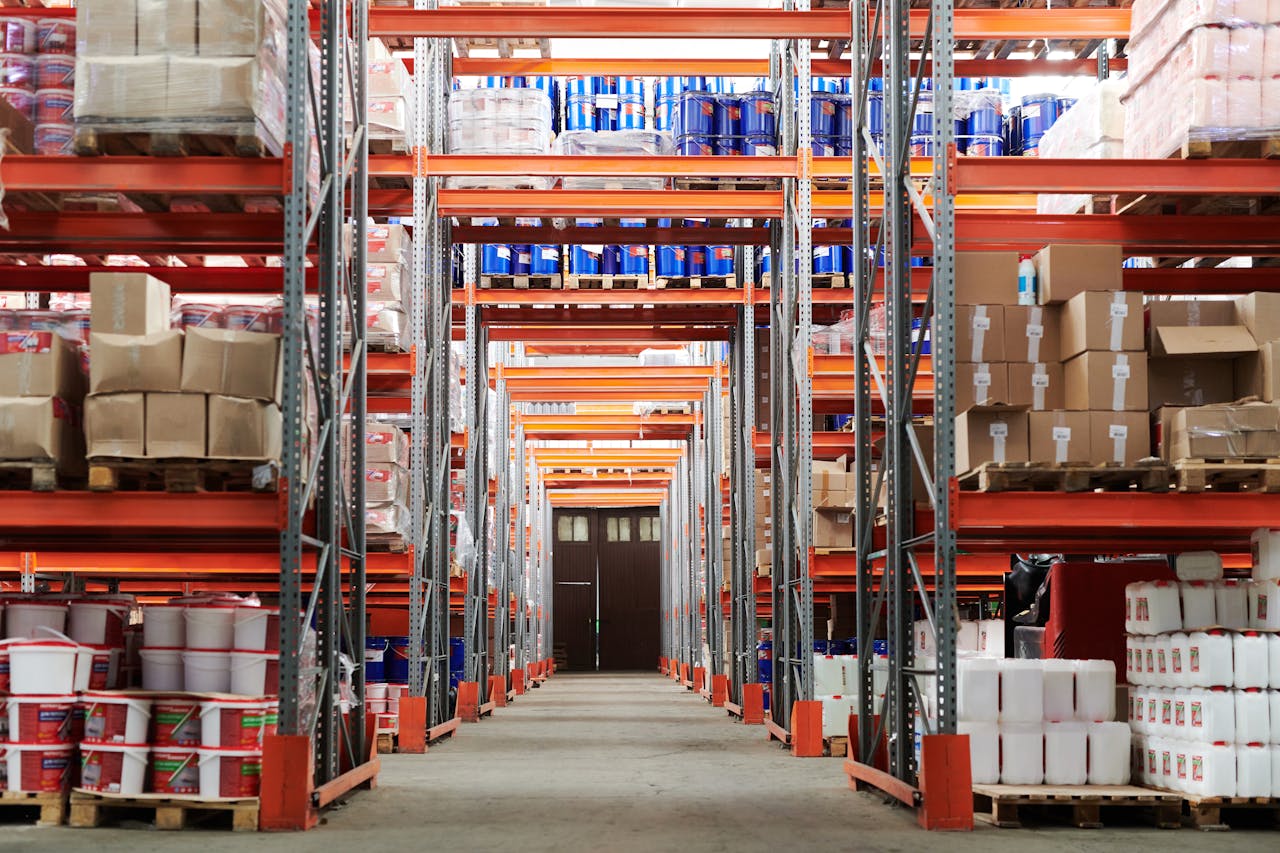
Between cash flow, clients, and competition, most owners aren’t thinking about spare office chairs or last year’s inventory. But clutter kills productivity. When space is chaotic, work follows suit.
That happens everywhere, from small startups to established companies. Once the tripping stops and smart storage steps in, something shifts. Time hunting for cables disappears. Focus returns to what drives revenue.
Table of Contents
It Slashes the Time Spent on “The Hunt”
Everyone knows the moment. A client is on the phone, a specific contract from three years ago is needed, or a warranty for a piece of equipment, and an employee ends up tearing through a closet like a detective searching for a clue. According to industry studies, the average employee wastes about 4.3 hours per week searching for paperwork or misplaced tools. That’s essentially half a workday: gone.
Better storage eliminates the treasure hunt. When a system is implemented, whether labeled shelving, color-coded filing cabinets, or digital asset management paired with physical bins, a “home” for everything is created.
- No more decision fatigue: Mental energy isn’t wasted remembering where an item might have been left.
- Faster onboarding: New hires don’t have to rely on “tribal knowledge” (asking Susan where the spare projectors are) to get set up.
- Inventory accuracy: When stock has a designated spot, cycle counts take minutes instead of hours.
Unlocking Prime Real Estate Without Moving
One of the biggest hidden drains on a business is paying for space that isn’t actually needed, or worse, paying a premium for a larger office or warehouse because the current one is too jammed to function. This is where the strategic use of storage locker rentals comes into play. A business doesn’t have to sign a five-year lease on a bigger facility just because the current space is overflowing. By moving infrequently used items into a flexible storage unit, square footage is effectively expanded without the overhead of a permanent lease.
- Cost efficiency: A storage unit can be rented for a fraction of the cost of commercial square footage.
- Flexibility: Month-to-month rentals allow for scaling up during peak seasons and scaling down when things slow down.
- Aesthetic matters: A clean, uncluttered office looks more professional to visiting clients than a hallway lined with stacked boxes.
Reducing Employee Stress and Burnout
Clutter has a real psychological weight; it actually raises cortisol levels. When the breakroom looks like a disaster or warehouse aisles force staff to shimmy, the whole team feels it.
Better storage isn’t just about efficiency; it’s about morale. When people feel their workspace is organized and respected, they take pride in their work.
- Safety first: Fewer trip hazards mean fewer injuries, claims, and downtime.
- Professional pride: Hard to feel like a pro when working in a mess.
- Mental clarity: Clear space, clear mind, better decisions.
If the staff is complaining about the back room, listen. They’re showing exactly where efficiency is leaking out.
Streamlining Inventory Management
Cash flow issues often start with inventory that can’t be found, can’t be accessed, or was forgotten. When storage is chaotic, over-ordering inevitably happens because stock levels can’t be verified. Or worse, perishable goods or trendy items become obsolete while buried under a pile of older stock.
Implementing a rational storage system, like vertical shelving, mobile racking, or clear, labeled bins, turns inventory from a black hole into a predictable asset.
- First-in, first-out (FIFO) becomes possible: Rotating stock is easy when the oldest items can actually be reached first.
- Reduced waste: Repurchasing items already on hand stops happening.
- Data accuracy: When inventory is organized, digital records match physical stock, making forecasting and ordering precise.
Boosting Focus in a Distracted World
Open floor plans are great for collaboration, but they are terrible for focus if every surface is covered in clutter. When desks, countertops, and conference tables become dumping grounds for files, tools, or unsorted mail, the visual noise creates constant distraction.
Modern storage solutions, like lockers, pedestals, and overhead bins, allow for “zoning.” Designated areas for collaboration are created alongside clean, separate zones for deep work.
- Clean desk policies: When everyone has a personal locker or drawer, it’s easy to implement a policy where surfaces are cleared at the end of the day. This gives the office a fresh start every morning.
- Fewer interruptions: When supplies are centrally located in a well-organized pantry or station, the constant shuffle of people asking, “Does anyone have a Sharpie?” is eliminated.
- Professionalism for remote days: In a hybrid world, hot-desking is easier when storage is assigned and tidy.
Extending the Life of Your Assets
Equipment is expensive. Whether a construction company with high-end power tools, a restaurant with delicate glassware, or a tech firm with servers, how assets are stored directly impacts their lifespan.
Throwing expensive items into a pile in the garage or leaving them exposed to dust, moisture, and temperature swings is a fast track to replacement costs. Proper storage, climate-controlled, dust-proof, and impact-resistant, protects the bottom line.
- Prevent damage: Dedicated foam inserts or padded bins prevent tools from banging into each other.
- Security: Lockable storage units and cabinets deter theft, which is a growing concern for businesses of all sizes.
- Maintenance tracking: When equipment has a home, it’s easier to track maintenance schedules (e.g., “If the saw is in the charging station, it’s ready for use”).
Repair and replacement costs eat into profit margins. Good storage acts as a silent guardian for capital investments.
Facilitating Scalability and Growth
Efficient businesses are agile businesses. As a business grows, its needs change. Perhaps a new product line is launching, or perhaps a department is downsizing. A rigid, cluttered storage system fights every attempt to pivot.
- Seasonal scaling: Retailers can swap out summer inventory for winter stock in hours, not days.
- Pop-up capabilities: For businesses that do events or pop-ups, a well-organized storage system means the “go-kit” is always packed and ready.
- Simplified moves: If a business outgrows its space, organized storage makes the physical move exponentially faster and more cost-effective.
When infrastructure is modular and organized, space is no longer a limitation but a tool that can be adapted to meet current goals.
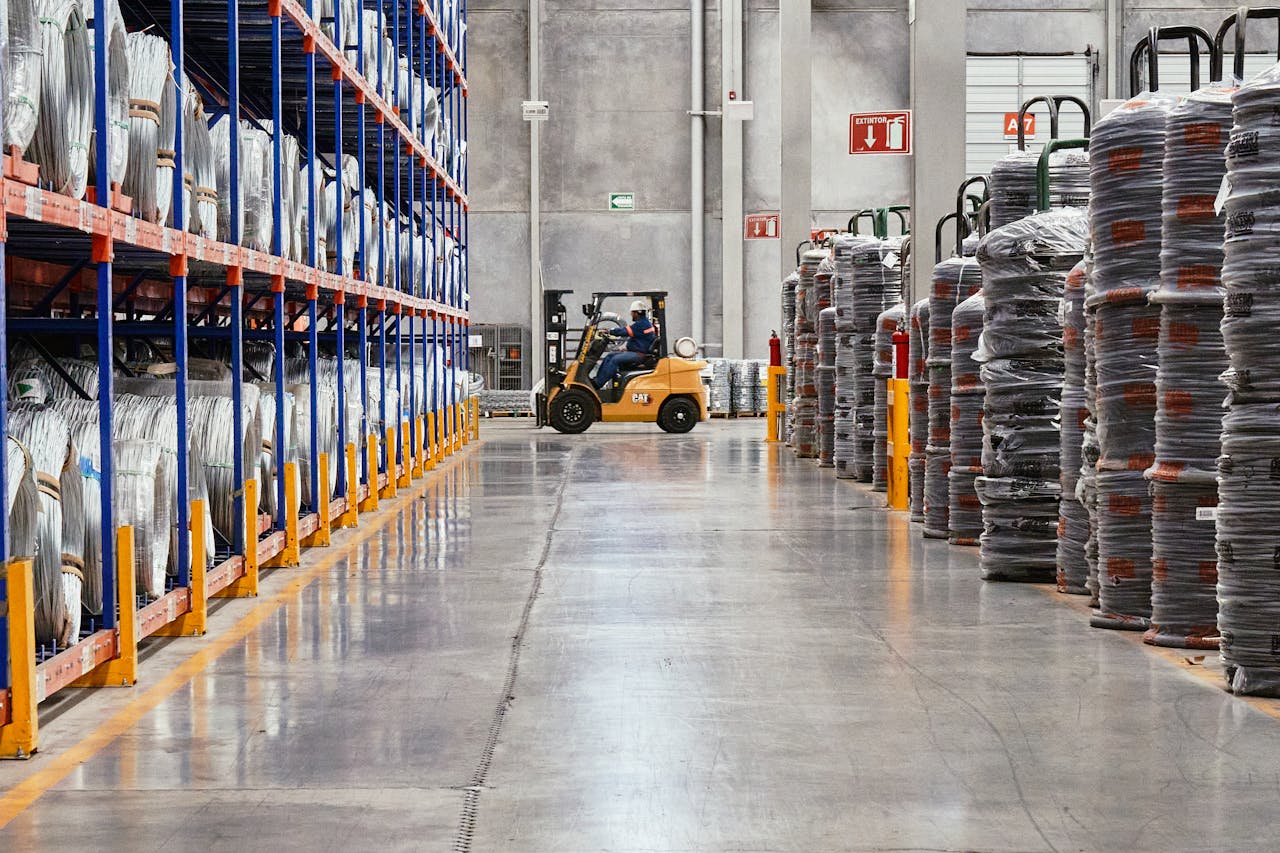
Storage shouldn’t be an afterthought. Clutter steals time, money, and sanity. Start with the messiest corner. Fixing it provides immediate relief and motivation to keep going. Efficiency isn’t working harder; it’s removing friction.