




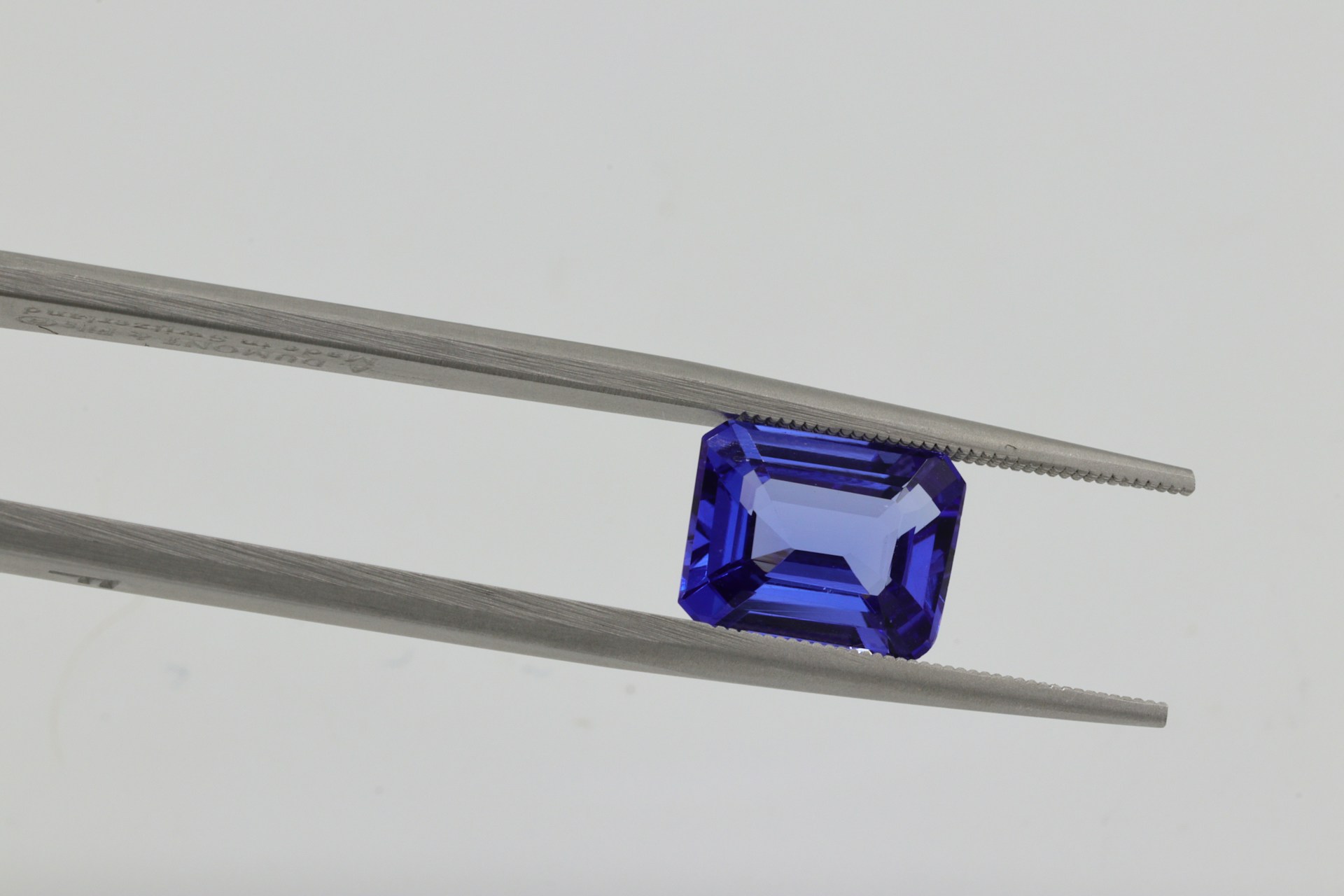
When you think of a sapphire, chances are a deep, royal blue gemstone instantly comes to mind. While that iconic hue is the most recognized, it represents just one chapter in the vibrant story of sapphires.
These gems, part of the corundum mineral family, come in an astonishing range of colors. Every shade imaginable except red, which is reserved for rubies.
Some sapphires are so rare and unique in appearance that they’re considered true treasures of the gem world. They are sought after not just for their beauty but also for their fascinating optical effects and symbolic meanings.
In this article, we’ll look into four of the rarest and most enchanting sapphire varieties. Each one has a story that goes far beyond the surface sparkle.
Table of Contents
1. Blue Sapphire Jewelry: The Timeless Classic, as Highlighted by Leibish
When people talk about sapphires, they’re often referring to the iconic blue variety. Ranging from deep navy to soft cornflower tones, these gemstones are celebrated for their vivid color and exceptional clarity. Among them, the most coveted is the “Kashmir blue” sapphire. It’s a velvety cornflower hue first discovered in the Kashmir region of India.
Revered for its rarity and beauty, this legendary variety recently made headlines. A 35.09-carat Kashmir sapphire known as the Regent Kashmir fetched a record-breaking $ 271,515 per carat. The sale took place at Christie’s Magnificent Jewels auction in Hong Kong. In total, the gem sold for an astounding $ 9.6 million.
While owning a gem of that caliber may be out of reach, you can still embrace the elegance of this timeless stone. Experience the elegance of blue sapphire jewelry by Leibish and discover a piece that brings a touch of royalty into your own collection.
You’ll find a wide range of elegant designs, from classic solitaires to intricate vintage styles. The collection includes rings, earrings, pendants, and more. Whether you prefer deep blue or soft cornflower tones, there’s a sapphire ready to add royal charm to your collection.
2. Padparadscha Sapphire: The Rare Sunset
Named after the Sinhalese word for “lotus blossom,” Padparadscha sapphires possess a mesmerizing blend of pink and orange. This color combination is so delicate and elusive that it’s incredibly difficult to find in nature. This warm, sunset-like hue is what makes these gemstones so extraordinary.
Among all sapphire varieties, Padparadscha is considered the rarest and often commands even higher prices than the traditional deep blue stones. Their scarcity lies not just in the color, but in the precise balance of pink and orange that defines a true Padparadscha.
This remarkable rarity is part of what makes Princess Eugenie’s engagement ring so unique. Unlike the iconic deep-blue sapphire ring worn by Princess Kate, Princess Eugenie’s ring stands out. It features an exquisite oval-cut Padparadscha sapphire surrounded by a halo of white diamonds in a floral pattern.
Given how uncommon and often imitated true Padparadschastones are, her ring is more than just a beautiful piece of jewelry. It’s a rare treasure admired by collectors and connoisseurs around the world.
3. Color-Change Sapphires: Nature’s Mood Ring
Some sapphires possess a remarkable ability to change color depending on the light source, a phenomenon that adds to their allure and value. In natural daylight, which contains a balanced spectrum with more blue wavelengths, these sapphires typically appear blue or greenish-blue.
But when viewed under incandescent or indoor lighting, the same stone can appear very different. These light sources emit more red and yellow wavelengths, causing the sapphire to shift to shades of violet, reddish-purple, or even pink.
This change isn’t due to any artificial treatment; it’s caused by trace elements like chromium or vanadium in the sapphire’s crystal structure. These elements interact with different types of light, altering the way the gemstone absorbs and reflects wavelengths.
Because of their dual personality and the science behind their behavior, color-change sapphires are considered exceptionally rare. They offer a dynamic, almost magical experience to the wearer, appearing as two different stones depending on the environment. Collectors and gem enthusiasts prize them not just for their beauty, but for the optical marvel they represent.
4. Star Sapphire: Nature’s Celestial Wonder
Another rare and mesmerizing variety of sapphire is the Star Sapphire- a gemstone that seems to hold a star within it. What sets this sapphire apart is a natural optical phenomenon known as asterism. Here, a star-like pattern appears to float across the surface of the stone when viewed under direct light. This star typically has six rays, but in even rarer cases, twelve-rayed stars can appear.
The star-like pattern is a result of fine, needle-shaped inclusions of the mineral rutile within the stone. These inclusions, often considered flaws in other gemstones, are what give the star sapphire its signature charm and otherworldly glow. The effect is best seen in cabochon-cut stones (smooth, dome-shaped cuts) rather than faceted ones.
Some of the most famous star sapphires in history include the Star of India. It is a 563-carat gray-blue gem housed in the American Museum of Natural History.
Star sapphires have long been associated with wisdom, protection, and divine guidance. They are prized not only for their beauty but also for their symbolic power.
Due to their unique structure and visual effect, high-quality star sapphires are incredibly rare. Those with strong, centered stars and rich color are especially valued by collectors and gem aficionados.
FAQs
Are all blue sapphires the same?
Not at all. Blue sapphires come in a wide spectrum of shades and intensities, from deep royal blue to soft cornflower or even greenish-blue. The tone (lightness or darkness), saturation (color intensity), and hue (exact shade) all influence a sapphire’s beauty and value.
Are sapphires suitable for engagement rings?
Absolutely. Sapphires are one of the hardest natural gemstones, scoring 9 out of 10 on the Mohs hardness scale, just below diamonds. This makes them highly resistant to scratches, chips, and other everyday damage. This makes them ideal for something worn daily, like an engagement ring.
Can sapphires be synthetic?
Yes, they can. Lab-created or synthetic sapphires are chemically and optically identical to natural sapphires. They are grown in controlled laboratory environments using methods like the Verneuil (flame fusion) method or the Czochralski process. These stones are not fake; they are real sapphires, just not formed in nature.
Overall, these rare sapphires reveal just how diverse and awe-inspiring nature’s creations can be. Beyond their stunning colors and optical wonders, each stone carries a unique story shaped by geology, time, and human fascination. Their rarity is not just a matter of scarcity, but a testament to the delicate balance of conditions required for such beauty to exist.
Whether admired for their symbolism, scientific marvels, or sheer visual appeal, these gemstones continue to captivate collectors and connoisseurs alike. In a world full of mass-produced sparkle, they stand as timeless reminders that true beauty is often found in the rarest forms.