




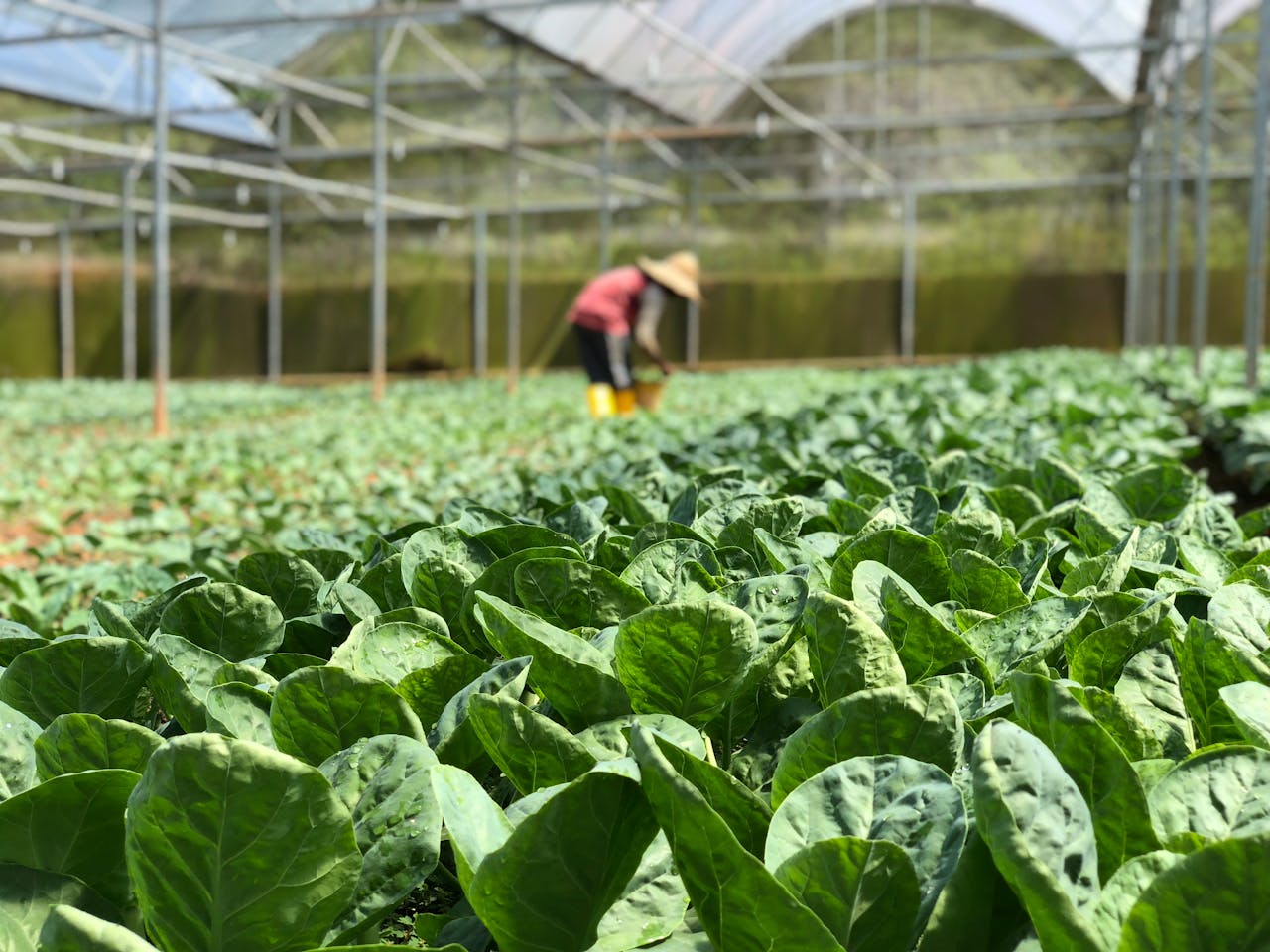
Greenhouses have long served as a practical response to unpredictable weather, allowing growers to create environments that support healthy crops throughout the year. Rather than relying on external climate patterns, these structures provide a controlled setting where temperature, humidity, and light can be managed with precision. This stability plays a direct role in crop consistency, quality, and yield, which matters to both commercial producers and dedicated growers. Seasonal shifts that bring frost, heat waves, or heavy rainfall can disrupt open-field cultivation, yet greenhouse systems soften these impacts through design and technology.
Table of Contents
Managing Temperature Fluctuations Throughout the Year
Temperature control stands at the core of greenhouse stability, since plants respond quickly to thermal stress. During colder months, insulation, heating systems, and structural materials help retain warmth, protecting crops from frost damage that would otherwise halt growth. In warmer periods, ventilation, shading, and cooling mechanisms prevent excessive heat buildup that could weaken plants or slow production.
These combined strategies allow growers to maintain optimal temperature ranges suited to specific crops. Seasonal transitions become less disruptive because internal conditions change gradually rather than abruptly. This controlled progression supports steady plant metabolism and root development. Growers benefit from predictable growth cycles that simplify scheduling and labor planning.
Controlling Humidity for Plant Health
Humidity influences transpiration, nutrient uptake, and disease development, making it a critical factor in greenhouse environments. In colder seasons, condensation can increase moisture levels, raising the risk of fungal issues if left unmanaged. Ventilation systems and dehumidification tools help balance moisture while preserving warmth. During dry or hot seasons, controlled humidity prevents excessive water loss from leaves, supporting consistent growth rates.
By adjusting moisture levels, growers reduce plant stress that often appears during seasonal shifts. Balanced humidity improves pollination success and fruit quality across crop types. This stability supports uniform production regardless of external weather changes. A greenhouse environment turns humidity into a controlled asset rather than a seasonal challenge.
Advanced Systems That Enhance Seasonal Stability
Modern greenhouse design integrates technology that responds dynamically to seasonal changes, creating highly adaptable environments. Many operations rely on sensors and automated controls to maintain precise conditions throughout the year. These systems adjust heating, cooling, ventilation, and irrigation based on real-time data, supporting consistency across seasons. Solutions such as climate-controlled growing systems allow growers to fine-tune internal environments with accuracy that manual methods cannot match. This level of control reduces resource waste while improving crop outcomes.
Seasonal unpredictability becomes less influential when systems respond instantly to internal needs. Advanced automation strengthens greenhouse reliability across diverse climates. Key advantages of these integrated systems include:
- Continuous monitoring of temperature, humidity, and light levels.
- Automated adjustments that reduce manual intervention and labor strain.
- Improved energy efficiency through targeted heating and cooling responses.
- Consistent crop quality supported by stable environmental conditions.
- These benefits highlight how technology supports resilience across seasonal shifts.
Light Regulation Across Seasonal Changes
Natural daylight varies widely between seasons, influencing photosynthesis and plant development. Greenhouses address this variation through structural orientation, glazing materials, and supplemental lighting systems. Shorter winter days no longer limit growth when artificial lighting extends usable light hours. In brighter seasons, shading systems reduce excessive radiation that could damage sensitive plants.
This balanced approach allows crops to receive consistent light intensity and duration year-round. Stable lighting conditions encourage predictable flowering and fruiting cycles. Growers can plan production schedules with confidence rather than reacting to seasonal light shortages or excesses. Light regulation strengthens the greenhouse’s role as a dependable growing space.
Protecting Crops From External Weather Stress
Beyond temperature and light, greenhouses shield plants from wind, heavy rain, hail, and sudden storms. These physical protections reduce mechanical damage that often affects open-field crops during seasonal transitions. A stable enclosure prevents soil erosion and nutrient leaching caused by intense rainfall.
Plants grow in a calmer environment where energy is directed toward development instead of recovery from stress. This protection leads to stronger stems, healthier foliage, and more uniform harvests. Growers experience fewer unexpected losses tied to weather events. The greenhouse structure acts as a buffer between crops and an increasingly variable climate.
Supporting Year-Round Production and Planning
Stable growing conditions enable year-round cultivation, which changes how growers approach planning and market supply. Instead of pausing during unfavorable seasons, production continues with fewer interruptions. This continuity supports steady revenue streams and reliable supply chains.
Crop rotation and succession planting become easier to manage when environmental factors remain predictable. Growers can test new varieties without waiting for ideal outdoor conditions. This flexibility encourages innovation and experimentation within agricultural operations. Greenhouses transform seasonal limitations into opportunities for expansion and consistency.
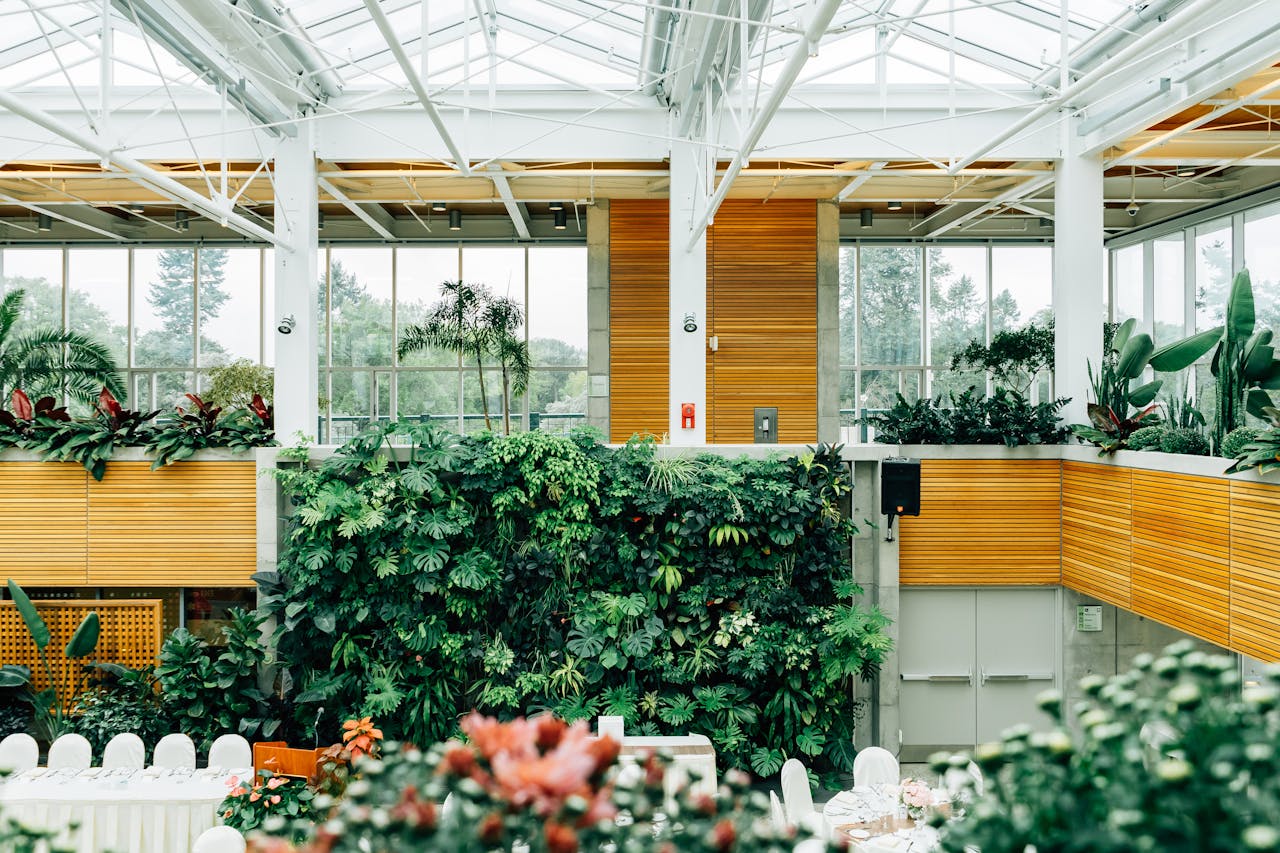
Greenhouses create stable growing environments by managing temperature, humidity, light, and exposure to weather stress across changing seasons. These controlled conditions protect crops from extremes while supporting steady growth and reliable yields. Through thoughtful design and advanced systems, growers gain the ability to plan with confidence rather than reacting to climate uncertainty. Seasonal changes remain present outside, yet their impact inside the greenhouse becomes measured and manageable. This balance explains why greenhouses continue to shape sustainable and productive agriculture across diverse regions.