



Investing in an energy-efficient HVAC system is one of the smartest decisions homeowners can make to reduce energy bills, enhance home comfort, and contribute to environmental responsibility. Many options exist on the market, including traditional HVAC systems and innovative split systems air conditioners, which offer flexible solutions and high efficiency for diverse homes and climates.
Homeowners are often surprised at the long-term savings and additional comfort that upgraded HVAC units can bring. By understanding the different energy-efficiency metrics, modern system features, and available incentives, you can choose a system that balances performance and cost. Selecting the right system can help you maintain year-round comfort while minimizing your home’s carbon footprint.
Whether you are building a new home, renovating an old one, or simply looking to reduce your utility bills, understanding the following tips will help you make an informed decision. Thoughtful planning and research can ensure the comfort and sustainability of your home for years to come.
Table of Contents
Understanding Energy Efficiency Ratings
The first step in choosing a new HVAC system is understanding the energy efficiency ratings that define system performance. The two primary measurements to consider are:
- SEER (Seasonal Energy Efficiency Ratio): This rating evaluates the cooling efficiency of air conditioners and heat pumps across a typical cooling season. Higher SEER ratings mean a system uses less electricity to deliver the same cooling output. For example, going from a SEER 10 to a SEER 15 model can cut your air conditioning energy consumption by up to 35 percent, according to the U.S. Department of Energy.
- AFUE (Annual Fuel Utilization Efficiency): This percentage-based rating for furnaces measures how efficiently a unit converts fuel into usable heat. An AFUE of 90 means that 90 percent of the fuel is converted to heat for your home, while only 10 percent is lost in the combustion process.
Choosing systems with higher SEER and AFUE ratings often results in substantial energy savings and lower annual utility costs, helping you recoup your investment in efficiency upgrades over time.
Proper Sizing of HVAC Systems
Correct system sizing is vital for both comfort and efficiency. An HVAC system that is too large may cycle on and off frequently, leading to increased wear, uneven temperatures, and wasted energy. Conversely, an underpowered system may run constantly without ever effectively reaching your desired temperature.
To determine the optimal size, HVAC professionals conduct a detailed load calculation that considers your home’s square footage, the type and quality of insulation, window placement, local climate, and even the direction your home faces. This calculation aligns system output with your home’s actual heating and cooling needs, avoiding the pitfalls of “bigger is better” thinking.
Modern Features for Enhanced Efficiency
Today’s HVAC systems are equipped with a range of innovative features designed to maximize savings and comfort. Consider looking for units with the following technologies:
- Variable-Speed Compressors and Motors: Unlike traditional systems that operate at only one or two speeds, these components adjust output dynamically to match demand. This ability keeps temperatures more consistent and reduces total power consumption.
- Smart Thermostats: These programmable devices can learn your family’s schedule and preferences. They optimize heating and cooling patterns for both savings and comfort, giving you control from your smartphone or voice assistant.
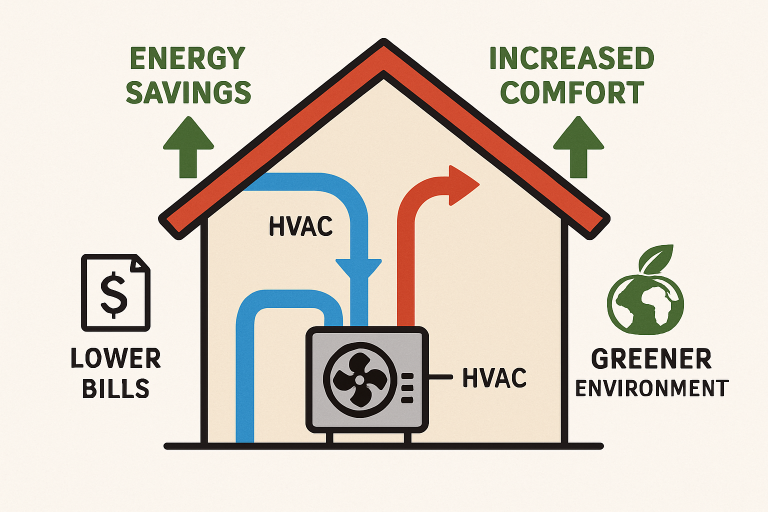
By integrating these advanced features into your HVAC system, you can enjoy a more comfortable, efficient home environment with lower energy bills and a reduced environmental impact.
Exploring Rebates and Tax Credits
High-efficiency systems sometimes come with a higher upfront price, but a variety of financial incentives can help offset these costs. The federal government, state agencies, and even local utilities offer rebates and tax credits to encourage homeowners to upgrade their systems:
- Federal Tax Credits: Under the Inflation Reduction Act, homeowners can claim a tax credit of 30 percent for qualifying HVAC upgrades. This credit caps annual benefits at $3,200, making high-efficiency systems a more attractive investment.
- State and Local Rebates: Many utility companies offer extra incentives for energy-efficient installations. For example, some regional providers in states like Arizona and California have programs that specifically reward upgrades to efficient cooling systems.
Always research and apply for all available incentives in your area to reduce the initial cost of your new system. Resources such as the Database of State Incentives for Renewables and Efficiency (DSIRE) can help you find up-to-date rebate opportunities nationwide.
Maintenance Tips for Energy-Efficient HVAC Systems
Ongoing maintenance is key to keeping any energy-efficient HVAC system running at its best. The most valuable steps include:
- Regular Filter Replacement: Replace or clean air filters at least every one to three months. Dirty filters restrict airflow, forcing the system to work harder and leading to higher energy use and more frequent breakdowns.
- Annual Tune-Ups: Arrange for professional inspections once a year. Technicians can check refrigerant levels, clean internal parts, and spot any developing issues before they require costly repairs.
Consistent maintenance helps extend the lifespan of your equipment while preserving high efficiency. Over time, neglect can lead to rising utility costs and unexpected failures, even with the best equipment.
Final Thoughts
Choosing an energy-efficient HVAC system is an investment in your home’s comfort, sustainability, and future savings. By understanding critical efficiency ratings, ensuring your system is properly sized, and incorporating the latest features and technologies, you can maximize efficiency and minimize cost. Taking advantage of available rebates and tax credits further improves the value of your investment. Finally, ongoing maintenance will ensure your system runs reliably for years to come, preserving both your comfort and your budget.