



The landscape of primary care is evolving at an unprecedented pace, and Family Nurse Practitioners (FNPs) are transforming in response, as the healthcare system adapts to rising patient demand and increasingly complex health needs. FNPs today are not only delivering direct patient care but are also engaging in leadership roles, health policy advocacy, and driving clinical improvements. The scope and significance of their responsibilities have expanded, necessitating advanced critical thinking, adaptability, and a commitment to upholding the highest standards of patient care. As part of this evolution, many FNPs pursue advanced education, such as an online FNP degree, FNP MSN online, to stay current and excel in their field. Through their unique patient-centered approach, FNPs play a pivotal role in closing healthcare gaps, especially in medically underserved areas, and in their willingness to adapt to technological advancements and changing patient demographics.
Expanded autonomy, emerging technology integration, and a comprehensive focus on holistic health have opened numerous opportunities for FNPs. These dedicated professionals are now at the frontlines of care, conducting independent health assessments, developing and executing preventive healthcare strategies, and integrating a multitude of digital tools into daily practice. This shift is redefining what it means to serve as an FNP, empowering them to spearhead initiatives that prioritize patient outcomes, accessibility, and the delivery of efficient care for diverse patient populations. FNPs are uniquely positioned to offer empathetic care while embracing innovation, keeping them integral to the ongoing progression of healthcare systems globally.
Table of Contents
Expanding Scope of Practice
As primary care physician shortages create significant gaps in patient support, Family Nurse Practitioners are stepping into roles that previously required close physician oversight or collaboration. In an increasing number of states, FNPs are now authorized to diagnose and treat illnesses, prescribe medications, and manage both acute and chronic health conditions independently. This expanded authority is supported by evolving legislative and regulatory frameworks that recognize the vital role nurse practitioners play in the healthcare delivery system. According to the American Association of Nurse Practitioners, the expansion of FNPs’ practice scope has led to greater access for patients and a more distributed and responsive healthcare workforce, particularly benefiting rural communities and other areas with provider shortages. With this broader range of responsibilities, FNPs are not only filling essential gaps in care but are also enhancing the quality of services and elevating patient satisfaction across the board. This evolution allows them to respond swiftly to patient needs, reducing delays in care and facilitating timely interventions, especially in settings where physician access is limited. Youngstown State University, which trains many nurse practitioners, emphasizes the importance of this evolving role. FNPs’ holistic approach and ability to engage meaningfully with patients are regarded as essential strengths as they take on these wider duties.
Integration of Telehealth Services
Telehealth has rapidly become an integral part of the modern healthcare experience, and FNPs are at the forefront of this digital revolution. Leveraging secure online platforms, they provide timely consultations, chronic disease management, and ongoing follow-up assessments, bringing healthcare directly into patients’ homes. This widespread adoption of telehealth, accelerated by the COVID-19 pandemic, has enabled FNPs to reach vulnerable populations who might otherwise face barriers to accessing care, such as those living in remote locations, individuals with mobility limitations, or patients unable to travel due to illness. The use of telehealth enables real-time monitoring, patient education, and enhanced communication, all of which are crucial for improving health outcomes. As demonstrated by studies from the National Institutes of Health, equitable access to virtual care results in timelier treatments and ultimately leads to better patient outcomes. In addition, telehealth reduces the burden on busy clinics and emergency departments by efficiently directing non-urgent cases to virtual visits. FNPs are increasingly adopting digital tools, such as remote monitoring devices, mobile health apps, and online portals, to streamline care coordination and medication management, thereby enhancing patient engagement and supporting continuity of care even beyond traditional office hours.
Focus on Preventive Care
Preventive care has always been foundational to the FNP philosophy, but its importance is growing as chronic diseases like diabetes, hypertension, and heart disease become more prevalent across the population. FNPs are on the front lines, providing lifestyle and wellness counseling, coordinating routine immunizations, conducting health screenings for early disease detection, and partnering with patients to develop individualized wellness plans. This proactive, preventive approach is crucial for detecting health issues before they escalate, enabling patients to make informed decisions, and promoting healthier behaviors that can last a lifetime. The value of preventive care extends well beyond the individual patient; it contributes to healthier communities by reducing the prevalence of severe conditions, minimizing the need for expensive treatments, and lowering hospitalization and emergency room visit rates. The unique relationships that FNPs build with families and individuals enable them to tailor preventive strategies, ensuring that recommendations are relevant and achievable within the context of each patient’s daily life. These efforts help to mitigate health disparities by reaching high-risk and underserved populations who may traditionally have less access to crucial screening and preventive services.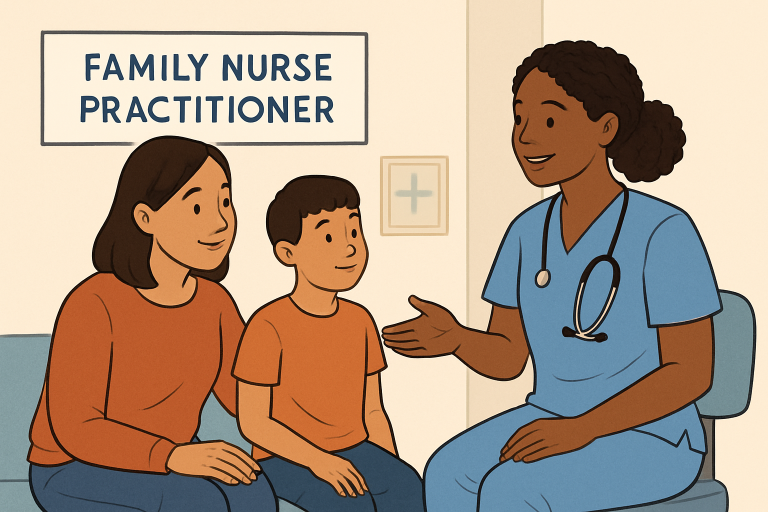
Collaborative Care Models
The increasing complexity of healthcare demands a unified, team-based approach to patient care, and FNPs are vital contributors to this shift towards interdisciplinary collaboration. Working closely with physicians, pharmacists, behavioral health specialists, physical therapists, social workers, and community resource providers, FNPs help to coordinate and deliver comprehensive care that addresses all aspects of a patient’s well-being. By serving as advocates, communicators, and coordinators, they ensure that patient care is holistic, individualized, and well-informed. Research supported by the JAMA Network consistently demonstrates that such collaborative primary care models lead to greater patient satisfaction, improved health outcomes, greater continuity, and higher rates of treatment adherence. Team-based practice not only improves the patient experience but also supports healthcare workers by reducing provider burnout, sharing responsibility, and leveraging the unique strengths of each professional on the care team. The FNP’s expertise and hands-on approach make them an essential bridge between various specialists and services, addressing the full spectrum of physical, mental, and social health needs.
Addressing Mental Health Needs
Mental health is now recognized as a core aspect of overall health, and FNPs are increasingly trained to assess and support mental wellness as part of their comprehensive primary care practice. During routine visits, FNPs screen for conditions such as depression, anxiety, substance use disorders, and other psychiatric issues, becoming a first point of contact for patients experiencing emotional distress. Beyond initial screening, they provide evidence-based brief interventions, facilitate timely referrals to mental health specialists when necessary, and often collaborate with behavioral health professionals to manage care holistically. Integrating mental health support into primary care reduces stigma, fosters stronger patient-provider relationships, and ensures that patients’ emotional well-being is addressed alongside their physical health. With the rising prevalence of mental health challenges across all age groups, FNPs’ commitment to identifying and addressing these needs is crucial to supporting long-term health and resilience in individuals and their families. Addressing mental health needs proactively can reduce crises and improve patients’ overall quality of life.
Increased Autonomy and Full Practice Authority
In more than half of the United States, Family Nurse Practitioners have gained what is known as full practice authority, empowering them to diagnose, treat, and prescribe independently, without the requirement for physician oversight or collaboration. This shift has enabled FNPs to establish their own practices, provide comprehensive primary care, and assume leadership roles in community health initiatives. These legislative changes play a significant role in reducing care delays and barriers—particularly in rural and underserved regions—by enabling patients to connect directly with highly qualified, accessible primary care providers. According to the American Association of Nurse Practitioners, full practice authority for FNPs leads to shorter wait times, expanded care options, and improved access for medically vulnerable populations. FNPs serve as leaders and advocates, championing evidence-based, patient-centered models that bolster both public health and community well-being. Their presence ensures that healthcare reaches more people, more efficiently, and in more settings than ever before.
Emphasis on Continuing Education
With the rapid pace of change in medical science, pharmacology, population health, and technology, ongoing education is not optional for FNPs—it is essential. Lifelong learning through advanced degrees, specialty certifications, workshops, online learning modules, and professional conferences ensures nurse practitioners remain at the forefront of evidence-based best practices. This robust commitment to ongoing professional development enhances clinical skills, deepens medical knowledge, improves patient safety, and ensures responsiveness to evolving guidelines, advancements in technology, and shifting healthcare trends. By prioritizing continuous education, FNPs can also offer new treatments and adapt to advances such as genomics, personalized medicine, and telehealth innovations, thereby optimizing patient care and maintaining trust in the communities they serve. Their educational dedication is a testament to the excellence that defines the FNP role today.
Conclusion
Family Nurse Practitioners stand at the nexus of innovation and compassion, uniquely positioned to drive excellence in today’s primary care environment. Through expanded roles, digital health integration, and a comprehensive focus on preventive and mental health services, FNPs truly embody the future of accessible, patient-centered healthcare. As the profession continues to evolve and advance, FNPs are meeting—and often exceeding—the diverse and growing healthcare needs of individuals, families, and communities nationwide. Their ongoing evolution ensures that high-quality, holistic care will remain a central pillar of primary care for years to come.