




Depression affects millions worldwide, touching every demographic and background. Yet, with the right strategies, effective management is within reach for many individuals. By combining personal adjustments, therapeutic techniques, and modern mental health services, people can find support and hope even in difficult times. Exploring options such as TMS for depression, offered by providers who specialize in mental-health treatments, can also provide relief when conventional methods may not suffice—broadening the range of care available today.
By utilizing structured routines, engaging in physical activity, and drawing from both digital and interpersonal resources, those experiencing depression can actively guide their recovery. Evidence continues to demonstrate the tangible benefits of these approaches, showing that even small daily actions can influence mood and overall mental well-being. Support networks, lifestyle choices, and professional interventions together create an adaptable toolkit for managing symptoms and preventing relapse.
With the rise of user-friendly health apps and community-based support services, new doors open for those seeking flexible ways to manage their well-being. It’s important to tailor these resources to individual needs, acknowledging that depression is a multifaceted condition and progress often comes in incremental steps. Adopting a holistic approach not only addresses symptoms but fosters resilience, self-compassion, and a sense of agency.
Table of Contents
Establishing a Daily Routine
Structure and routine can provide a reliable sense of control, especially when depressive symptoms disrupt motivation and focus. Starting with tiny, manageable steps—such as setting consistent wake-up times or planning meals at the same hour each day—creates a foundation for emotional stability. These predictable rhythms reduce the mental burden of decision-making, helping individuals feel more grounded throughout the day. Habit-tracking apps and simple planners can also be helpful tools, turning daily tasks into visual progress that encourages consistency.
Gradually expanding the routine allows individuals to cultivate calmness and direction without feeling pressured. Adding light activities such as morning stretching, five minutes of journaling, or a brief moment of deep breathing can set a positive tone at the start or end of each day. These tiny practices help reinforce self-awareness and reduce emotional overwhelm. With time, the routine becomes a comforting anchor, giving each day more structure and purpose.
A well-established routine also supports healthy sleep patterns, which play a significant role in mental well-being. Going to bed and waking up at the same time strengthens the body’s internal clock, making it easier to feel alert in the morning and relaxed at night. Better sleep leads to improved concentration, emotional regulation, and overall energy. As individuals maintain their routines, they often find that these small, consistent habits naturally build resilience and restore a sense of balance.
Incorporating Physical Activity
Exercise remains a cornerstone of depression management because movement has powerful effects on mood, energy, and overall mental clarity. Aerobic activities and resistance training are constructive, but even simple daily walks can make a difference. Many people find that starting with just 5 to 10 minutes of movement per day reduces pressure and makes exercise feel achievable. As these short bursts of activity become routine, individuals often notice gradual improvements in their mood and motivation.
For those new to structured exercise or intimidated by traditional workouts, gentle options can serve as a welcoming starting point. Activities like yoga, slow stretching, tai chi, light dancing, or cycling at a leisurely pace allow the body to move without strain. These forms of movement also create opportunities to reconnect with the body and break the cycle of rumination that often accompanies depression. Choosing enjoyable activities increases the likelihood of sticking with them, transforming exercise into something to look forward to rather than avoid.
Beyond the physical benefits, regular activity provides emotional advantages that extend into everyday life. Movement stimulates natural mood-supporting chemicals, helping reduce feelings of lethargy and hopelessness. It also promotes better sleep, sharper thinking, and enhanced stress tolerance. Whether done solo or with a friend, exercise fosters a sense of accomplishment and connection. As individuals stay active, they build both physical strength and inner resilience, supporting long-term emotional wellness.
Practicing Mindfulness and Cognitive-Behavioral Therapy
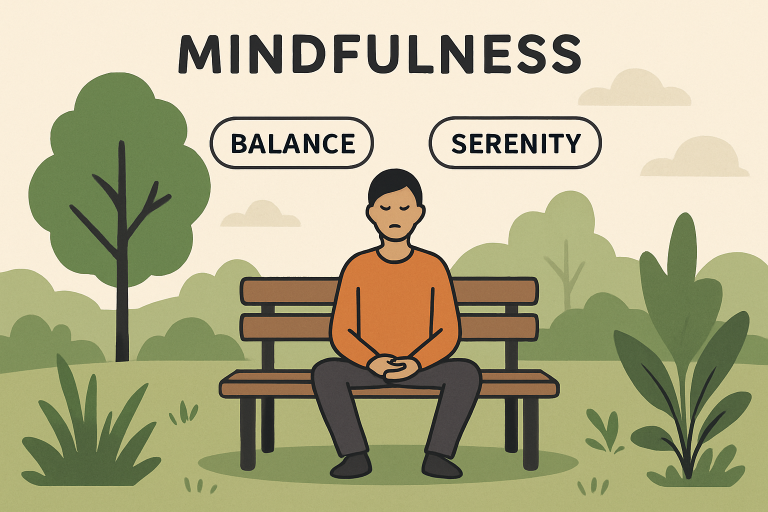
Mindfulness-based approaches cultivate awareness of thoughts and emotions without judgment. Techniques borrowed from Cognitive-Behavioral Therapy (CBT) can help individuals recognize patterns of negative thinking and develop healthier responses. Together, mindfulness and CBT-based practices improve emotional regulation and reduce automatic adverse reactions. Many mental-health providers incorporate these therapies into their services to help individuals develop long-term coping skills.
Utilizing Digital Tools
Digital health tools continue to expand access to depression support. Therapeutic mobile apps offer guided meditations, mood tracking, reminders, and goal-setting features that users can adopt at their own pace. Some platforms even integrate virtual support communities, behavioral prompts, and personalized feedback to enhance accountability. These tools work best as complements to professional care, empowering individuals to stay engaged in their well-being between appointments.
Seeking Social Support
Social isolation often intensifies depression, making supportive connections vital. Friends, family members, or support groups can offer empathy and encouragement during difficult times. Community activities and peer-led programs create opportunities for shared understanding and emotional connection. For many, sharing their struggles with trusted individuals is a meaningful step toward healing.
Consulting Professionals
Mental-health professionals provide essential services for individuals struggling with depression. Therapies such as CBT, interpersonal therapy (IPT), and other evidence-based modalities are widely used in clinical practice. Medication may also be recommended when symptoms are severe or persistent. Psychiatrists, psychologists, therapists, and licensed counselors can tailor treatment to each person’s history, preferences, and co-occurring conditions. Ongoing guidance helps monitor progress and adjust care as needed.
Exploring Light Therapy
Light therapy can be especially beneficial for individuals experiencing seasonal affective disorder (SAD). Using a specially designed lamp to mimic natural sunlight, morning sessions help regulate circadian rhythms, which play a significant role in mood and sleep. Even for those with non-seasonal depression, intentional morning light exposure and consistent sleep–wake routines can support improved energy and mood.
Considering Nutritional Supplements
Certain nutritional supplements may complement a broader depression-management plan when used under professional guidance. Options such as omega-3 fatty acids, Rhodiola rosea, or St. John’s Wort have gained attention for their potential mood-supporting effects. However, supplements can interact with prescription medications, so consulting a healthcare provider before starting any new supplement is crucial.
Conclusion
Managing depression is a deeply personal journey, but it becomes more manageable with the right tools, support systems, and professional guidance. By combining structured routines, physical activity, mindfulness practices, digital resources, and meaningful social connections, individuals can build a strong foundation for lasting improvement. Accessing mental-health services and exploring available treatments—such as TMS and therapeutic counseling—offers additional support tailored to individual needs. While progress may be gradual, every small step contributes to greater resilience, improved well-being, and renewed hope for the future.