





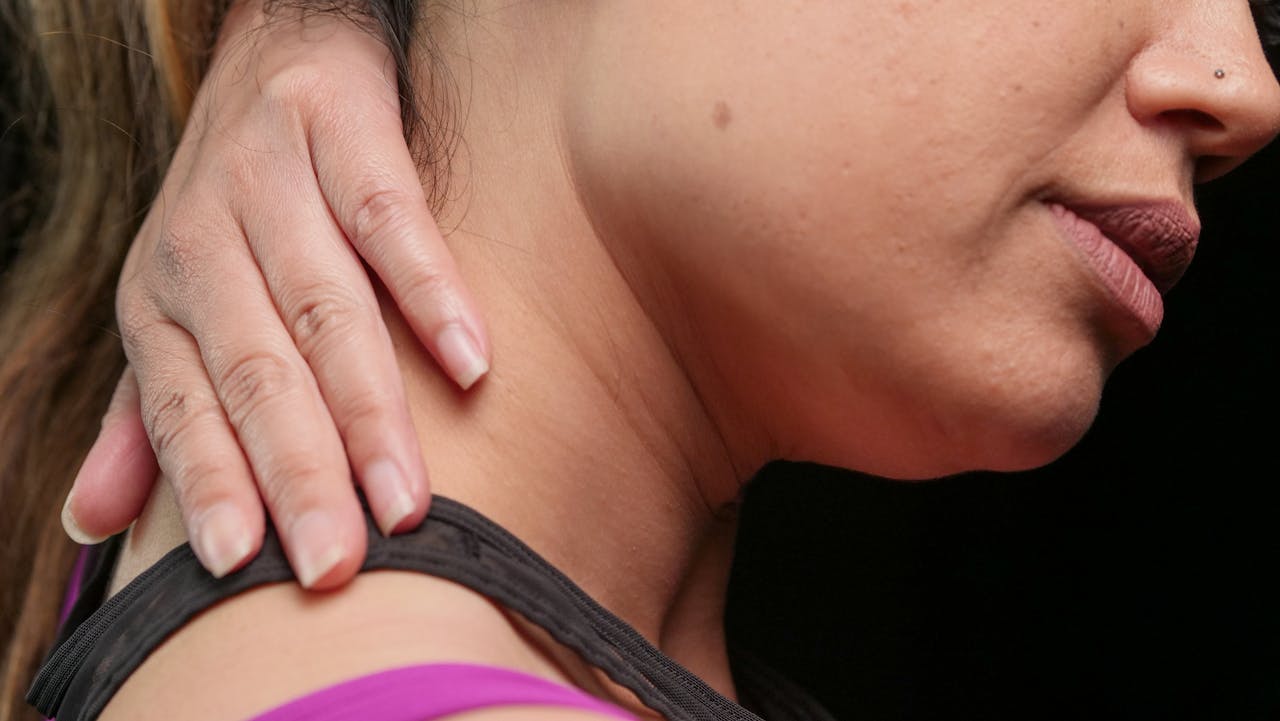
Deep muscle tension can sneak up on anyone. Long hours at a desk, a tough training cycle, or even poor sleep can leave your tissues feeling tight and irritable. The good news is that relief does not require a full overhaul of your routine. A few smart tools and habits can calm your nervous system and restore comfortable motion.
This guide explains why tension builds, how percussive therapy fits into the picture, and when to lean on heat, cold, or pressure. You will also learn focused routines for common hot spots, science-backed takeaways, and safety tips so you can recover with confidence.
Table of Contents
Why Deep Muscle Tension Builds Up
Your muscles do not tighten in isolation. The nervous system constantly measures threat and readiness, and it sets muscle tone accordingly. Stress, under-recovery, and a lack of movement variety can all contribute to an elevated tone. This creates a cycle where guarded tissues feel achy and stiff, encouraging even less movement.
Microfatigue adds another layer. Repeating similar tasks taxes the same fibers and connective tissue. Without enough circulation and gentle loading, those tissues become sensitive. The result is that everyday actions like reaching overhead or stepping off a curb may feel restricted.
Breathing patterns matter too. Shallow, upper-chest breathing can keep your rib cage rigid and your neck muscles on standby. Restoring slower nasal breaths with a longer exhale helps shift your system toward recovery. That calmer baseline lowers perceived tension.
Finally, hydration and sleep set the stage for tissue quality. Connective tissue glides better when hydrated, and deep sleep supports collagen remodeling. Small wins like a regular bedtime and a water bottle on your desk pay off in looser, happier muscles.
How Percussive Therapy Works
Percussive therapy delivers rapid pressure pulses to the skin and underlying tissues. Those pulses stimulate mechanoreceptors that talk to your nervous system about safety and motion. When your body reads that signal as nonthreatening, it often allows more range with less discomfort.
The pulses can nudge local circulation. Increased fluid movement brings warmth and oxygen while clearing byproducts of hard training. Used before activity, this can prime motion paths. Used after, it can help you downshift and reduce next-day soreness.
A practical flow is simple. Scan for tender nodes, float the head slowly for 30 to 60 seconds, then retest your range. Keep the device moving and let the pressure be comfortable. You are not trying to bruise tissue – you are coaxing it to relax.
Some people prefer steady vibration while others like deeper percussion. Start at a lower speed and ramp up only if your body welcomes it. If the area feels more guarded, back off and breathe for a few cycles before trying again.
Selecting And Using Devices Wisely
Look for a device that is quiet enough for daily use and comfortable to hold. Weight and grip shape matter when you are reaching your back or calves. Multiple head options help match contours around the shoulder or hip.
Power settings should ramp smoothly. Start low, then increase only if your breathing stays easy and the tissue softens. The sweet spot is enough input to feel inviting without clenching.
Bigger is not always better. Portable devices are handy for travel or a quick pre-meeting reset. Larger models can be useful for thick tissues like glutes and quads, but are not required for great results.
Place the link where it helps you act. Many people find it convenient to keep muscle massage guns near their workspace so quick sessions are easy, and they pair that with a short walk to hold the gains. With tools within reach, micro-sessions fit naturally into breaks.
When To Choose Heat, Cold, Or Pressure
Heat is best when you feel stiff and guarded. Warmth relaxes superficial tissues and can make slow mobility work feel easier. A heating pad or a warm shower before a short movement session often unlocks the early range.
Cold is useful for calming a very irritated area or for a short numbing effect after heavy effort. Keep sessions brief to avoid prolonged stiffness. If cold makes you tighten up, switch to contrast by alternating warm and cool.
Pressure sits between heat and cold. A soft ball, foam roller, or handheld device gives you precise input without overwhelming the system. Aim for gentle, exploratory pressure over chasing pain. Pair each 30 to 60-second bout with slow nasal breaths.
Targeting Common Hot Spots
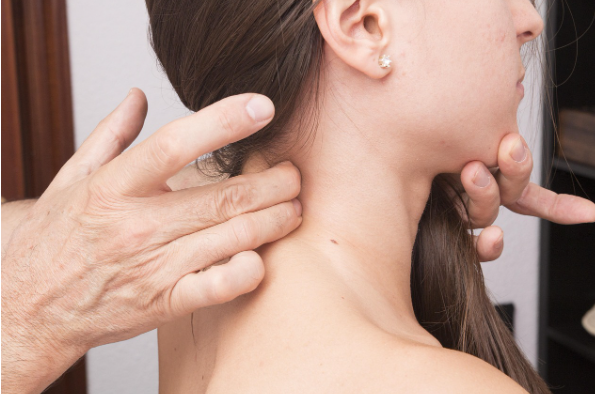
Neck and upper back. Glide along the traps and between the shoulder blades while you slowly turn your head. Keep sessions short and retest your overhead reach or desk posture after a minute.
Hips and glutes. Move across the outer hip and glute muscles while shifting your weight from one foot to the other. Follow with a few easy hip hinges and step-backs to lock in the change.
Hamstrings and calves. Float along the muscle belly rather than the tendons behind the knee or ankle. Then practice slow ankle rocks and light knee bends to teach the new range.
Forearms. For desk strain or heavy grip work, trace the top and bottom of the forearm from the elbow toward the wrist. Finish with wrist circles and finger spreads to restore fluid motion.
Pairing Mobility With Recovery Tools
Think sequence, not isolation. Use a short bout of pressure to reduce guarding, then immediately move the limb through the range you want to keep. This pairing tells your nervous system that the new motion is safe and useful in real life.
Keep intensity low and frequency steady. A few minutes a day beats a once-a-week marathon. Your tissues like consistent, predictable inputs. Those small sessions create durable change.
If you train hard, downshift after sessions. Gentle percussion or vibration can reduce perceived soreness at 24 to 72 hours when compared to doing nothing, according to a sports medicine report. Follow with a walk or easy spin so circulation stays high as you cool down.
Track what works. Note which areas respond to pressure, which prefer heat, and how long relief lasts. Personal rhythms matter, and your log will help you fine-tune a routine that fits your schedule.
Deep muscle tension is a whole-system story. When you pair smart inputs like pressure, heat, or cold with calm breathing and simple movement, you can lower guarding and reclaim range in minutes. Small, frequent sessions are surprisingly powerful.
Let your plan be personal and patient. Keep tools visible, keep sessions short, and retest the motions that matter to you. With a steady rhythm, comfort and capacity often return faster than you expect.


