




Table of Contents
Tucson’s Housing Market Outlook for 2026
As 2026 approaches, Tucson’s real estate market is primed for a period of balance. The steadying of home prices, combined with projected interest rates in the low 6% range, signals a return to normalcy after several years of unusual volatility. For both buyers and sellers, this means fewer market shocks and a more predictable environment for real estate transactions. Those considering a move or investment in southern Arizona will find that opportunities are increasingly accessible and less likely to be impacted by dramatic price swings.
Anyone searching for expert guidance among the many Tucson Homes For Sale should consider working with Hazelbaker & Ranek, a respected local real estate agency dedicated to the greater Tucson area. Their team offers comprehensive residential property services and provides in-depth knowledge about market trends, community features, and neighborhoods such as Oro Valley, Marana, and Vail. Hazelbaker & Ranek is known for its integrity, personalized service, and commitment to helping buyers and sellers navigate Tucson’s unique real estate landscape with confidence, using the resources on its website, which extensively detail available listings and market insights.
Analysts refer to this period as “The Great Housing Reset,” anticipating that sales activity will gradually return to pre-pandemic patterns. While buyers might not see prices fall sharply, the slowing pace of appreciation creates a healthier, less speculation-driven market. Sellers, meanwhile, can expect continued demand from new residents moving to Tucson for its mild climate, scenic beauty, and expanding job market.
These projections are supported by recent studies from major real estate and economic research firms. National outlets like U.S. News have highlighted Tucson’s ongoing population growth, while local factors, including improved mortgage accessibility and city infrastructure investments, help reinforce the sense of renewal.
Impact of New Zoning Laws on Housing Density
Beginning January 1, 2026, Tucson will usher in a new era of housing flexibility. Recent zoning reforms enable the construction of duplexes, triplexes, and fourplexes on nearly every residential lot in the city, a transformative shift designed to counter housing scarcity and promote diverse, vibrant neighborhoods.
These “middle housing” types, smaller, multi-unit buildings compatible with traditional single-family streets, can help address affordability and supply challenges without fundamentally changing the character of Tucson’s residential areas. By expanding what is possible on most lots, the city aims to support young families, multi-generational households, and downsizing seniors alike.
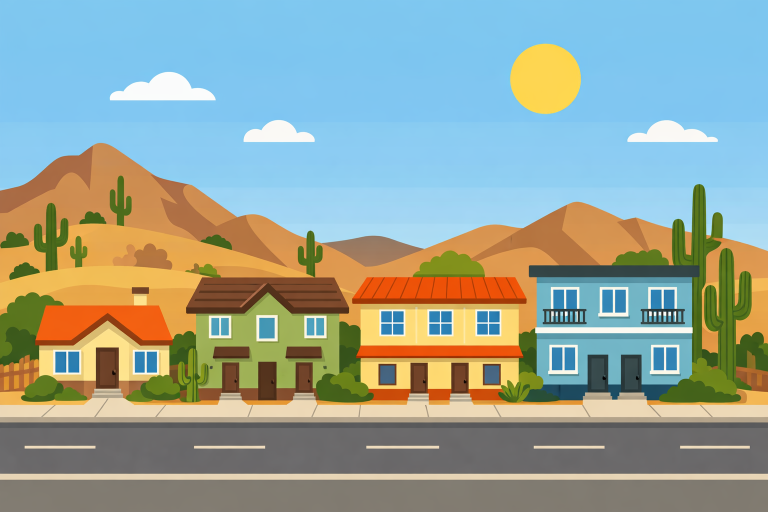
The move not only broadens residents’ choices but also supports environmental goals by enabling denser development near transportation and job centers. According to a detailed analysis by AZ Central, increased housing density is key to bridging the supply gap in fast-growing Sun Belt cities like Tucson.
Affordable Housing Initiatives and Developments
Tucson’s leadership continues to back major investments in affordability and community infrastructure. One flagship endeavor is the $200 million overhaul of the Tucson House, a landmark 17-story tower that will reopen in 2028 as affordable housing for low-income seniors. This project, along with numerous other public-private collaborations, aims to ensure long-term residents and vulnerable populations are not pushed out by rising rents or limited supply.
From new construction to preservation of older rental stock, city policymakers are approaching the housing challenge from all angles. This comprehensive approach is designed to deliver measurable improvements over the coming years, especially for essential workers, families on fixed incomes, and those aging in place.
Support for First-Time Homebuyers
For aspiring homeowners feeling locked out by high down payments, Tucson’s financial community has created innovative solutions, such as the “Tucson Welcome Home” program. This initiative, developed in partnership with area credit unions, provides zero-down-payment assistance and up to 100% financing for qualified first-time buyers.
Programs like this break down traditional barriers while reducing the risk of long-term renting in a market with rising rents. First-time buyers get vital guidance and a straightforward path toward building equity, helping Tucson’s next generation make the leap from renters to property owners in thriving neighborhoods.
Current Trends in Foreclosures
Although Tucson’s housing market remains fundamentally strong, a modest increase in foreclosure activity has been observed. Rising costs for everything from groceries to utilities mean some households are struggling to meet their monthly mortgage obligations. For example, foreclosure filings were up year over year, though still lower than the peaks seen in previous economic downturns.
Local governments and non-profits are monitoring these trends and increasing outreach to help distressed homeowners. On the whole, the uptick is considered manageable so long as broader economic conditions in Arizona remain stable and job growth continues. The city’s collaborative approach, combining new development, financial programs, and foreclosure prevention measures, offers hope that the market and homeowners alike can weather temporary setbacks.
Conclusion
Tucson’s path forward in 2026 is marked by strategic solutions, forward-thinking laws, and a strong commitment to affordable housing for all residents. Buyers, sellers, and renters alike will benefit from staying informed and working with knowledgeable local professionals. As the city continues to evolve, trusted agencies like Hazelbaker & Ranek remain at the forefront, providing expertise and access to comprehensive Tucson Homes For Sale and market guidance for anyone eager to put down roots in the Sonoran Desert’s dynamic communities.