




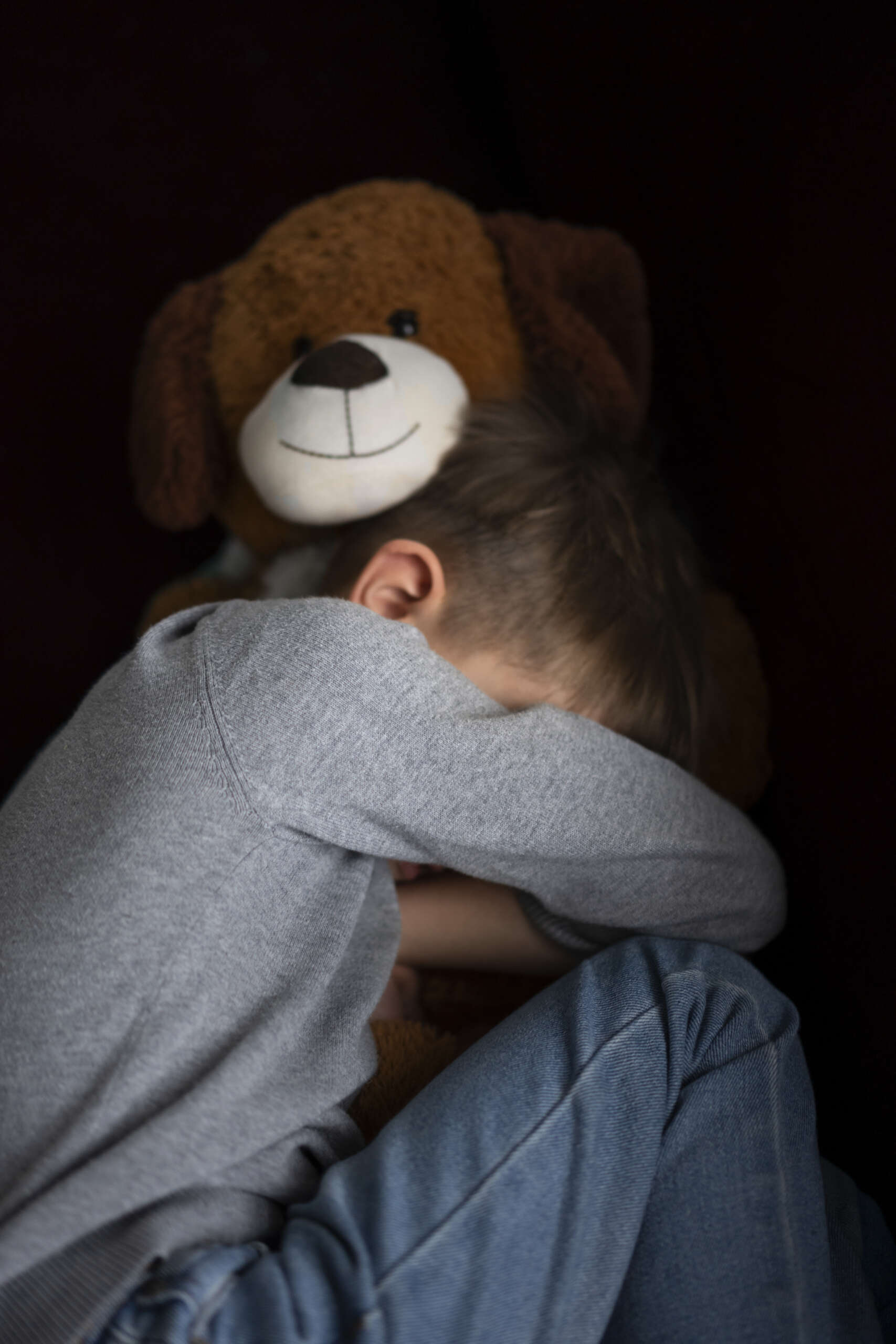
Disclosure is often treated like the moment the silence breaks for good. For many children, it marks the start of a new and confusing stretch in which everything feels different. Families who later seek representation for survivors seeking accountability often find that pulling back or going quiet after speaking up is far more common than people think.
Table of Contents
- 1 What Happens After a Child Discloses
- 2 Why Silence Often Follows Disclosure
- 3 Retraction Does Not Mean the Abuse Did Not Happen
- 4 Fear of Consequences Plays a Role
- 5 How Adult Reactions Shape a Child’s Response
- 6 Misreading Silence as a Sign of Lying
- 7 The Pressure to Be the Same Child as Before
- 8 Trauma Affects Communication
- 9 Why Minimization Feels Safer
- 10 The Role of Ongoing Support
- 11 What Adults Can Do Differently
- 12 Understanding the Long-Term Picture
- 13 Legal and Advocacy Considerations
- 14 Final Thoughts
What Happens After a Child Discloses
Telling someone about abuse takes enormous courage. Once the words are out, a child may feel exposed or afraid. The reaction they receive can shape what happens next.
Children often expect relief after disclosure. Instead, they may face questions, disbelief, or visible distress from adults. That response can feel overwhelming.
Why Silence Often Follows Disclosure
Silence after disclosure is a protective response. Children may shut down to regain a sense of control. Talking less can feel safer than explaining again and again.
The attention that follows disclosure can also be intense. Doctors, teachers, family members, and authorities may all become involved. For a child, that spotlight can feel frightening.
Retraction Does Not Mean the Abuse Did Not Happen
Some children later say the abuse was not that bad or did not happen. This does not automatically mean the disclosure was false. Retraction is often about escaping stress rather than changing the truth.
Children may feel responsible for the chaos that followed. They may want things to go back to normal. Minimizing the abuse can seem like the fastest way to make that happen.
Fear of Consequences Plays a Role
A lot of kids go quiet because they are scared of what their words might set off. They might worry someone will be arrested, that the family will split up, or that they will be blamed for turning everyone’s life upside down. Even if they felt a tiny bit of relief at first, it can quickly get buried under guilt and panic.
Some children are pressured directly or indirectly. They may sense that adults want the problem to disappear. Silence can feel like the easiest solution.
How Adult Reactions Shape a Child’s Response
The first response matters more than many people realize. Shock, anger, or panic from adults can make a child regret speaking up. Calm responses help children feel safer continuing to talk.
Repeated questioning can also cause withdrawal. Children may feel interrogated rather than supported. That can lead to shorter answers or silence.
Misreading Silence as a Sign of Lying
When a child goes quiet, some adults assume it means they made it up. More often, it means they are scared, embarrassed, or completely drained. Kids can freeze when the stress gets too heavy, even if they are telling the truth.
Expecting consistency from a child ignores how trauma works. Memories may surface in pieces. Changes in language or detail are common.
The Pressure to Be the Same Child as Before
After disclosure, children may feel pressure to act normal. Adults may unintentionally encourage this by avoiding the topic. The message can feel like silence is preferred.
Some children also try to protect the adults around them. Seeing a parent cry, get angry, or fall apart can be frightening. Staying quiet can feel like the child is keeping the family together.
Trauma Affects Communication
Trauma changes how the brain responds to stress. Words may be hard to find. Emotions can overwhelm the ability to speak clearly.
Some children cope by mentally checking out when the subject comes up. They may seem detached, confused, or distant while answering questions. That response is common and does not mean they are being dishonest.
Why Minimization Feels Safer
Downplaying what happened can feel like a way to make the heat die down. If a child says it was not that serious, adults may look calmer and stop asking so many questions. For the child, that can feel like they fixed the problem.
Minimization also reduces internal conflict. Admitting harm can feel frightening. Downplaying it can make life feel manageable again.
The Role of Ongoing Support
After a child discloses, they need steady support, even if they do not want to keep talking. The support should not depend on how many details they share or how “clear” their story sounds. What matters most is that they feel safe and believed.
Therapeutic support can help children process at their own pace. Trust builds slowly. Patience is essential.
What Adults Can Do Differently
It is natural to want to fix everything immediately, but listening is usually the best first move. Let the child set the pace, and avoid pushing for more than they are ready to share. You may need to reassure them more than once, because fear can come and go.
Avoid asking why a child changed their story. Instead, ask how they are feeling now. That keeps the focus on care rather than proof.
Understanding the Long-Term Picture
Silence does not mean the harm is gone. When trauma is not addressed, it can show up later in unexpected ways, like anxiety, anger, sleep issues, or trouble trusting others. The earlier adults understand that, the more helpful their support can be.
Kids tend to heal better when they feel believed. A supportive response can build resilience and reduce shame. A dismissive response can make the child feel alone and less likely to speak up again.
Legal and Advocacy Considerations
Disclosure often starts a process that feels confusing and intimidating. Many children do not understand what will happen next or why so many adults may get involved. Clear, age appropriate explanations can lower fear and help them feel more in control.
Advocates help families navigate these steps. Support systems exist for guidance and protection. No family should feel alone in this process.
Final Thoughts
Silence after disclosure is a common and human response. It reflects fear, stress, and a need for safety rather than dishonesty. With understanding and representation for survivors seeking accountability, adults can respond in ways that protect children and honor their courage.