



Enhancing your home’s exterior is about more than aesthetics – your siding material impacts durability, energy efficiency, and maintenance needs. With numerous options available, it’s essential to consider not only design but also practicality and longevity. To explore your choices or get in touch or find a trusted siding contractor near you, keep reading for a full breakdown of today’s leading siding materials.
The right siding gives your house character, protects it from harsh elements, and can even boost its resale value. Modern homeowners now have access to siding products that strike a balance between contemporary style and strict, engineered performance. Whether you’re seeking affordability, eco-friendliness, or a luxury finish, your ideal option is out there—you need the correct information to find it.
It’s essential to weigh factors such as curb appeal, installation costs, and ongoing maintenance. Technology has advanced many siding solutions, offering both classic looks and cutting-edge materials suited to the needs of a modern household. Making the correct choice ensures your façade looks great and stands the test of time.
Below, you’ll find a comprehensive overview of the pros and cons of the most popular siding materials, including their best uses and unique advantages. This guide will help you prioritize both style and substance when selecting new siding for your home.
Table of Contents
Vinyl Siding
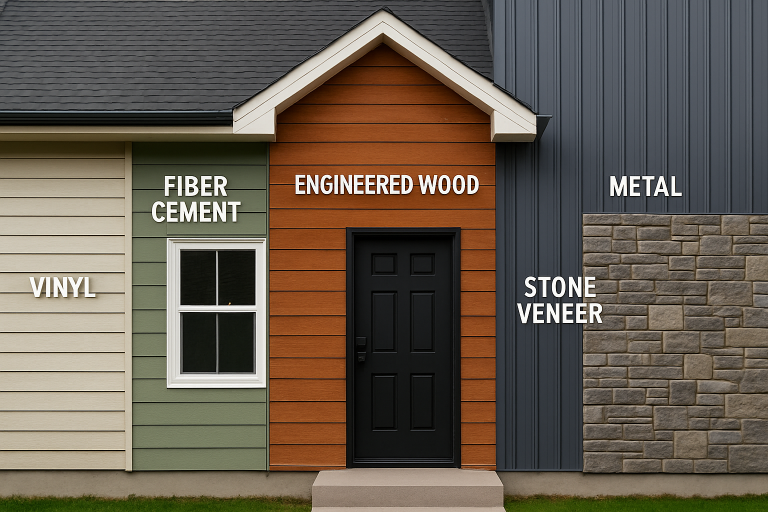
Vinyl siding remains the top choice for American homeowners, comprising 26% of new home exteriors in 2024. Its popularity stems from its affordability and versatility—vinyl siding is available in a diverse range of colors and styles, including options that replicate the textures of wood and stone. Resistant to common pests and moisture, vinyl also withstands fading and won’t rust over time.
In addition to its visual flexibility, vinyl offers easy maintenance—typically requiring only an annual wash to maintain its appearance. Its energy-efficient insulated varieties can help regulate indoor temperatures, further enhancing your home’s comfort and reducing utility bills. For further reading on the longevity and insulation benefits of vinyl, visit Architectural Digest.
Fiber Cement Siding
Made from a blend of cement, sand, and cellulose fibers, fiber cement siding delivers the warm look of painted wood without its vulnerabilities. This material resists rot, termites, and fire, making it one of the most durable options available. Fiber cement can be manufactured in a wide array of colors and finishes, including planks, shakes, or panels that convincingly mimic the natural grain of wood.
Fiber cement’s long lifespan—sometimes exceeding 50 years—minimizes the need for frequent replacements. While installation requires pros due to its weight and cutting requirements, the minimal ongoing maintenance makes it an increasingly popular pick for busy families and modern urban homes.
Engineered Wood Siding
Engineered wood siding offers the authentic warmth and rich texture of wood, combined with enhanced resistance to moisture, mold, and pests. Composed of wood fibers bound with resins and wax for strength, this siding is lighter and easier to install than fiber cement. For eco-conscious homeowners, engineered wood options often utilize sustainable and recycled wood sources, resulting in smaller environmental footprints.
Beyond its environmental and practical benefits, engineered wood is more budget-friendly than pure wood siding. It’s designed to withstand impact and extreme weather, maintaining curb appeal with lower maintenance than natural timber. However, it’s essential to choose products with robust warranties to ensure long-term satisfaction.
Metal Siding
Metal siding, which includes aluminum and steel panels or shingles, is gaining rapid traction for its ultra-modern look and rugged construction. This siding is highly sought after for homes in wildfire-prone or coastal zones, as it effectively resists flames, moisture, and corrosion. Today’s metal siding comes in a variety of finishes from smooth and shiny to ribbed or textured, allowing for unique visual interest and a distinctly contemporary style.
Metal siding offers impressive longevity, often outlasting other materials with 40+ years of effective service. It doesn’t attract pests or mildew, reducing overall care needs, but it may require occasional touch-ups to prevent dents or scratches. Noise control is another consideration, as metal may transmit sounds from heavy rain unless properly insulated.
Stone Veneer
Stone veneer siding delivers timeless beauty and prestigious curb appeal. Available as both full-thickness and lightweight manufactured varieties, this siding is often used for statement-making facades or accent walls. Its extraordinary durability comes with excellent weather resistance, but the upfront material and installation costs are typically higher than those of other siding options.
Homeowners who favor a luxury appearance value stone veneer’s ability to complement both classic and modern architecture. While maintenance is low, it’s crucial to use an experienced installer to ensure water is adequately managed and the finish remains pristine over decades.
Conclusion
The ideal siding material strikes a balance between visual harmony, cost efficiency, durability, and maintenance needs. By carefully weighing the benefits of vinyl, fiber cement, engineered wood, metal, and stone veneer, you can make a decision that enhances both your home’s beauty and its market value for years to come.