



A functional water heater is indispensable for warm showers, clean dishes, and a comfortable home. Yet, when problems arise, they can quickly interrupt your routine or even lead to unexpected expenses. Knowing how to spot issues early and respond appropriately keeps your system running smoothly and protects your investment. For residents facing persistent heating issues or unexpected breakdowns, Water heater repair in Salt Lake City is available for reliable, timely service, ensuring your home’s hot water needs are met with expertise.
By learning a few simple diagnostic steps and adhering to good maintenance habits, you can resolve many water heater issues before they escalate. Still, the safest and most cost-effective approach often combines DIY troubleshooting for minor fixes with calling in professionals for persistent or risky problems. With this guide, you’ll learn to distinguish between quick fixes and situations that warrant expert help, saving time and money while ensuring your hot water supply remains reliable.
Table of Contents
No Hot Water
The most obvious sign of trouble is a complete lack of hot water. For electric models, start with the circuit breaker. If it has tripped, reset it and wait to see if hot water returns. For gas models, check whether the pilot light has gone out—a common issue that can be resolved by carefully relighting it according to the manufacturer’s guidelines. If both solutions fail, the heating element or thermostat may have failed and will likely need to be replaced. For more details on diagnosing water heater failures, consult iFixit’s resources, a trusted home improvement authority.
Inconsistent Water Temperature
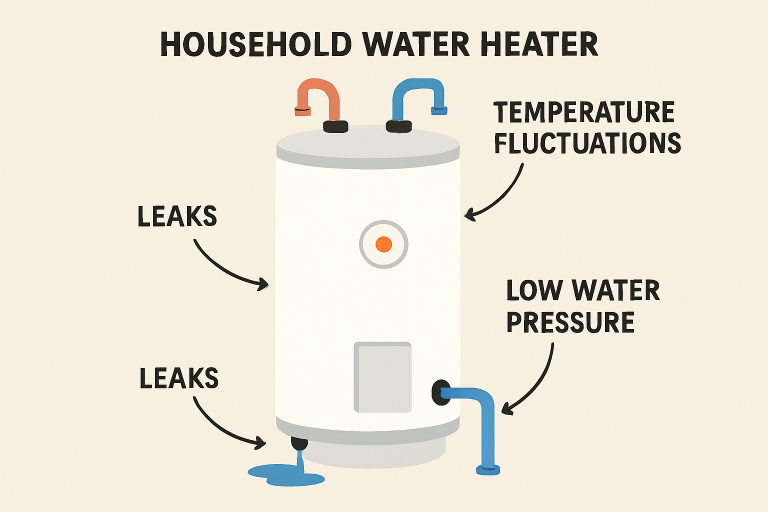
Fluctuating water temperatures can be frustrating and signal multiple issues. A malfunctioning thermostat is one common culprit, easily addressed by checking the setting and adjusting it to the recommended 120°F (49°C), which also helps prevent scalding and lowers energy consumption. Another frequent cause is sediment buildup within the tank, especially in areas with hard water. Over time, sediment forms an insulating barrier around heating elements, reducing their efficiency. Annual tank flushing removes this debris and can restore stable temperatures. For guidance on flushing your water heater, refer to The Home Depot’s maintenance tips.
Strange Noises
Unusual sounds such as popping, rumbling, or banging from the water heater indicate that sediment has accumulated at the bottom of the tank. As sediment heats up and hardens, it triggers mini-explosions of steam beneath the surface, producing noise. Ignoring these warning signs increases the risk of overheating, tank damage, and even premature system failure. Annual tank flushing halts this progression, prolonging the lifespan of your unit. If popping continues after maintenance, a professional inspection is wise. Learn more about this process from The Home Depot’s maintenance guide.
Leaks
Any water pooling around the base of your water heater is cause for concern. Leaks may arise from loose connections, a malfunctioning pressure relief valve, or significant corrosion within the tank. For manageable leaks stemming from fittings, tightening connections or replacing worn washers can resolve the issue. However, if water is coming directly from the tank, it likely means the internal lining has deteriorated, and replacement is necessary. According to Angi, regular monitoring and fast action are key to minimizing water damage and costly repairs.
Low Water Pressure
A noticeable drop in hot water pressure is another symptom of water heater trouble. The most common reason is sediment clogging not only the tank but also the connecting water lines. Flushing the entire system can restore normal pressures. If cleaning does not resolve the issue, you may have aging or blocked pipes, in which case a plumber should assess the system for corrosion or deeper plumbing problems. For more information, see The Home Depot’s maintenance guide.
High Energy Bills
A sudden spike in utility costs can be an early warning sign that your water heater is not operating efficiently. Sediment buildup forces the unit to use more energy, as it must work harder to deliver the same amount of hot water. Ensuring your tank is flushed annually, inspecting electrical heating components, and verifying insulation around the heater and pipes can all help contain costs. Regular maintenance is a key preventive measure to catch inefficiencies early. For detailed maintenance tips, refer to The Home Depot’s maintenance guide.
Preventive Maintenance Tips
- Flush your water heater tank once a year to prevent sediment accumulation.
- Inspect and, if required, replace the anode rod every one to three years to ward off rust.
- Test the pressure relief valve regularly to confirm it functions as a safety release.
- Set and maintain your thermostat at 120°F (49°C) for optimal performance and efficiency.
When to Call a Professional
While minor issues such as circuit breaker resets, pilot light relighting, or adjusting thermostats are safe for most homeowners to handle, more severe or persistent problems require skilled intervention. What might start as a small leak or fluctuating hot water can quickly escalate to water damage or safety concerns. If efforts to address the issues listed above fail, or if you spot signs of corrosion, heavy mineral buildup, or significant leaks, do not hesitate to contact a licensed plumber for a thorough diagnosis and repair. Professional plumbers bring specialized tools and expertise to address the full spectrum of water heater challenges, ensuring the job is done safely and effectively.
Proactive care and timely intervention keep your water heater running smoothly, protect against unexpected breakdowns, and help extend its lifespan.