



Table of Contents
Understanding Endometriosis
Endometriosis is a complex and often misunderstood condition affecting millions of women worldwide. It occurs when tissue similar to the uterine lining grows outside the uterine cavity, typically in the pelvic area. This tissue behaves much like the uterine lining, thickening, breaking down, and bleeding with each menstrual cycle. Because it has no way to exit the body, it becomes trapped, leading to inflammation, scar tissue, and adhesions. This can cause severe menstrual cramps, pelvic pain, and discomfort during intercourse, significantly impacting daily life and fertility for many sufferers. For those searching for holistic pain management approaches, Endometriosis Acupuncture is emerging as a promising solution beyond conventional treatments.
The symptoms of endometriosis vary in severity and can include chronic pelvic pain, fatigue, heavy periods, and even bowel or urinary symptoms in severe cases. For some, the pain can be debilitating, while others may be asymptomatic, discovering the condition only when seeking infertility treatment. As endometriosis is a chronic disease, ongoing management is typically necessary to maintain quality of life.
Traditional Treatments and Their Limitations
Conventional medical interventions for endometriosis primarily center on hormone therapy and, in some cases, surgery. Hormonal contraceptives or medications that suppress ovulation can help reduce pain and slow the growth of endometrial-like tissue. Surgical treatments typically focus on removing the growths or, in extreme cases, the uterus itself. However, these approaches are not without drawbacks. Hormonal therapies can cause side effects such as mood changes, weight gain, and reduced bone density. Surgical interventions may provide relief, but the effects can be temporary, and some individuals may experience symptom recurrence. Due to these limitations, an increasing number of women are exploring complementary and alternative medicine options to address both pain and broader wellness concerns. Acupuncture has gained significant attention for its non-hormonal, holistic, and low-risk approach to managing endometriosis symptoms.
Acupuncture as an Alternative Therapy
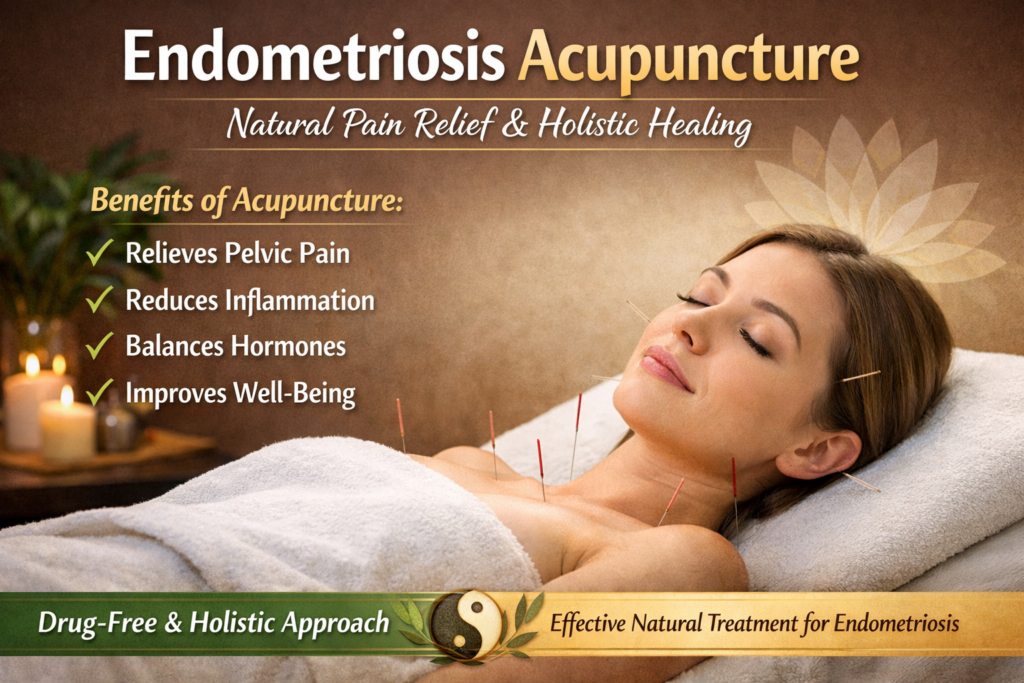
Acupuncture is a therapeutic modality within Traditional Chinese Medicine that utilizes fine, sterile needles to stimulate specific points on the body. This minimally invasive technique aims to restore the body’s balance, enhance blood flow, and reduce pain. Evidenced by centuries of traditional use and now supported by growing research, acupuncture is being integrated into endometriosis care to help alleviate menstrual cramps, pelvic discomfort, and associated symptoms such as fatigue and mood disturbances. One reason women are turning to acupuncture is its potential to address pain without reliance on pharmaceuticals. Treatment plans are individualized, typically focusing on symptom patterns and overall health. Sessions are generally well tolerated, making acupuncture a viable option for patients who are unable or unwilling to pursue hormone-based therapies.
How Acupuncture Works
The mechanisms behind acupuncture’s pain-relieving effects are the subject of ongoing scientific inquiry. Evidence suggests that stimulating acupuncture points activates nerve fibers, which in turn signal the brain to release endorphins and other neurotransmitters that help modulate pain perception. Acupuncture is also thought to influence the autonomic nervous system, reduce inflammation, and improve blood circulation in the pelvic region. This multifaceted approach may explain why so many patients experience relief from a wide range of symptoms beyond just pelvic pain. For many individuals, the effect is twofold: direct pain relief and an overall sense of well-being. Unlike pharmaceutical options, acupuncture carries minimal risk of adverse side effects and is suitable for long-term management when provided by a trained practitioner.
Evidence Supporting Acupuncture for Endometriosis
Clinical research supports acupuncture’s role in reducing endometriosis-related pain and improving quality of life. In a recent meta-analysis published in Frontiers in Medicine, acupuncture demonstrated substantial benefits in pain relief and functional improvement compared with Chinese herbal medicine alone. The authors of the review concluded that acupuncture is an effective non-hormonal therapy, bringing significant relief to women struggling with chronic pelvic pain due to endometriosis.
Combining Acupuncture with Chinese Herbal Medicine
For some patients, integrating acupuncture with Chinese herbal medicine may yield even greater symptom relief. A systematic review of combination therapy found that this approach provided more effective pain reduction than herbal medicine by itself. The integration between these two modalities is thought to enhance circulation, target inflammation, and restore the body’s internal balance. Patients interested in a comprehensive Traditional Chinese Medicine regimen should always seek advice from licensed, experienced practitioners to ensure personalized, safe care.
Safety and Considerations
Acupuncture is generally considered safe when administered by trained professionals. Sterile needles are used to prevent infection, and common side effects are mild, such as slight bruising or temporary soreness at needle sites. However, as with any treatment, it is prudent to consult with a healthcare provider before beginning acupuncture, especially for those with blood disorders, compromised immune systems, or other chronic health conditions. Pregnant women and those planning to conceive should also discuss their intentions with their medical team and their acupuncturist to ensure all treatments are appropriate for their situation.
Conclusion
Acupuncture offers a promising, drug-free option for women struggling with endometriosis-related pain. The therapy’s holistic, non-hormonal nature appeals to many seeking alternatives to conventional medicine’s side effects. Current evidence highlights its effectiveness when used alone or in combination with Chinese herbal medicine as part of a multidisciplinary care plan. For those interested in incorporating acupuncture into their endometriosis care, scheduling a consultation with a qualified practitioner is the next best step toward developing a tailored approach that addresses their unique health needs and enhances overall well-being.