



The transition from military to civilian life represents one of the most significant challenges many service members will face in their lifetimes. While veterans have dedicated years to serving their country, often in high-stress and dangerous environments, the return to civilian society presents a complex array of obstacles that can profoundly impact their wellbeing, careers, and relationships. Understanding these challenges is essential for creating effective support systems and policies that honor the sacrifices these individuals have made.
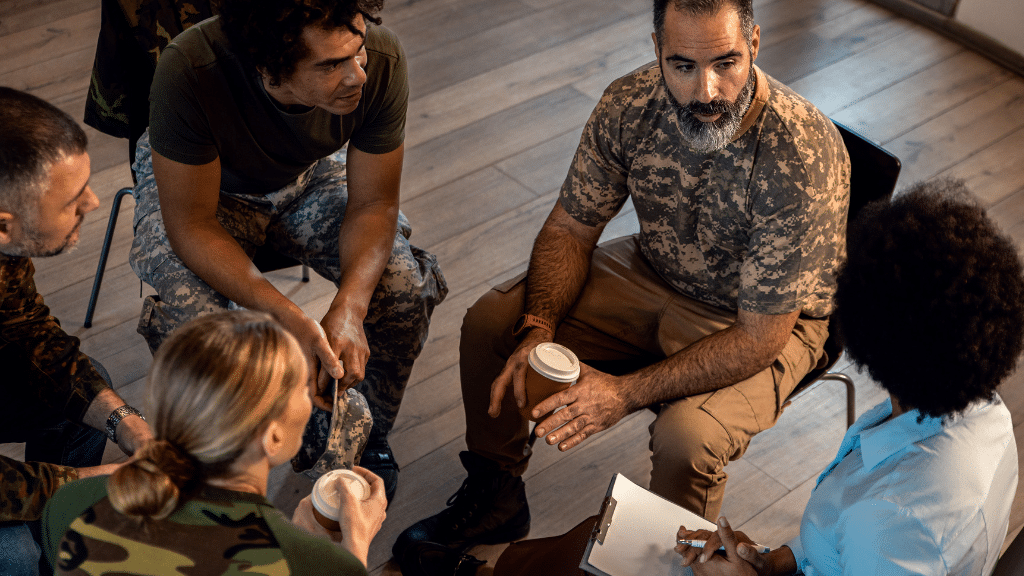
Table of Contents
Mental Health and Psychological Adjustment
The psychological toll of military service extends far beyond the battlefield. Post-traumatic stress disorder affects approximately 11-20% of veterans who served in Operations Iraqi Freedom and Enduring Freedom, according to the U.S. Department of Veterans Affairs. However, PTSD represents just one facet of the mental health challenges veterans encounter. Depression, anxiety, and adjustment disorders are common as former service members struggle to reconcile their military experiences with civilian life.
The structured, mission-oriented environment of military service creates a sense of purpose and camaraderie that many veterans find difficult to replicate in civilian settings. The loss of this tight-knit community can lead to feelings of isolation and disconnection. Combat veterans may experience hypervigilance, difficulty sleeping, and emotional numbness that strain personal relationships and make everyday activities feel overwhelming. The stigma surrounding mental health issues, which persists despite increased awareness, often prevents veterans from seeking the help they need.
Employment and Career Transition Difficulties
Translating military skills and experience into civilian job qualifications poses significant challenges for many veterans. While military service develops exceptional leadership abilities, technical expertise, and discipline, employers often struggle to understand how these competencies apply to civilian positions. Veterans may find that their specialized military training doesn’t directly correspond to civilian certifications or educational requirements, necessitating additional schooling or credentialing.
The unemployment rate for veterans has historically fluctuated, with post-9/11 veterans experiencing particularly difficult job market entry. Beyond unemployment statistics, underemployment remains a pressing concern, as many veterans accept positions that don’t fully utilize their capabilities or provide adequate compensation. The job search process itself can feel foreign to individuals accustomed to military hierarchy and protocols, and networking in civilian professional circles requires skills that military service doesn’t necessarily cultivate.
Physical Health and Disability Issues
Service-related injuries and disabilities create ongoing challenges that affect veterans’ quality of life and economic stability. According to Veterans Affairs data, approximately 25% of veterans have a service-connected disability. These disabilities range from traumatic brain injuries and hearing loss to musculoskeletal conditions and chronic pain. Many combat veterans return with visible injuries, while others cope with invisible wounds that are no less debilitating.
Navigating the VA healthcare system and disability claims process can be frustratingly complex and time-consuming. Veterans often wait months or even years for disability evaluations and benefits determinations. This delay in receiving necessary medical care and financial support can exacerbate health problems and create financial hardship. The transition from military healthcare, which provides comprehensive coverage, to civilian healthcare systems or VA facilities requires significant adjustment and can result in gaps in care continuity.
Housing Instability and Homelessness
Housing insecurity affects a disproportionate number of veterans, with approximately 33,000 veterans experiencing homelessness on any given night in the United States, according to recent estimates. Multiple factors contribute to veteran homelessness, including poverty resulting from unemployment or underemployment, lack of affordable housing, mental health conditions, and substance abuse disorders. Veterans with service-connected disabilities face particular vulnerability to housing instability.
The challenge of securing stable housing is compounded by the shortage of veteran-specific support services in many communities. While programs exist to assist homeless veterans, demand often exceeds available resources. Transitioning from military housing to the civilian rental market requires financial resources many recently separated service members lack, including security deposits and credit history that meets landlord requirements.
Understanding and accessing earned benefits presents a significant challenge for many veterans. The complexity of VA benefits systems, eligibility requirements, and application processes can overwhelm individuals already dealing with transition stress,”, says Unruh Law, a VA Disability Benefits Law Firm. Legal issues specific to veterans, including discharge status corrections, disability claims appeals, and benefits disputes, require specialized knowledge that many veterans don’t possess.
Family law matters, including divorce and child custody disputes, affect veterans at rates comparable to or higher than the general population, with military service creating unique complications. Financial difficulties stemming from unemployment or medical expenses can lead to debt, bankruptcy, and housing foreclosure, requiring legal intervention that many veterans cannot afford.
Moving Forward with Better Support
Addressing these multifaceted challenges requires coordinated efforts from government agencies, nonprofit organizations, employers, and communities. Expanded mental health services, improved transition assistance programs, veteran hiring initiatives, and streamlined benefits processes represent essential steps toward supporting those who have served. Recognition that veteran challenges are interconnected rather than isolated issues enables more comprehensive and effective support strategies that honor their service and sacrifice.