




Making the right choice for an athletic field’s surface can impact player wellness, game performance, facility longevity, and ongoing costs. With turf construction technologies rapidly evolving, stakeholders face an array of options, each with its unique considerations. Evaluating these options—while balancing usage demands, safety standards, and environmental factors—is crucial for sustainable field management.
Whether you’re planning a single-sport complex or a multi-use community field, the choice between natural grass, synthetic turf, and hybrid systems can seem overwhelming. Each surface offers distinct advantages and challenges, from maintenance logistics to suitability for specific climates or activities. As the industry shifts toward greater scrutiny of health, safety, and sustainability issues, informed decision-making is more critical than ever.
Table of Contents
Understanding Turf Options
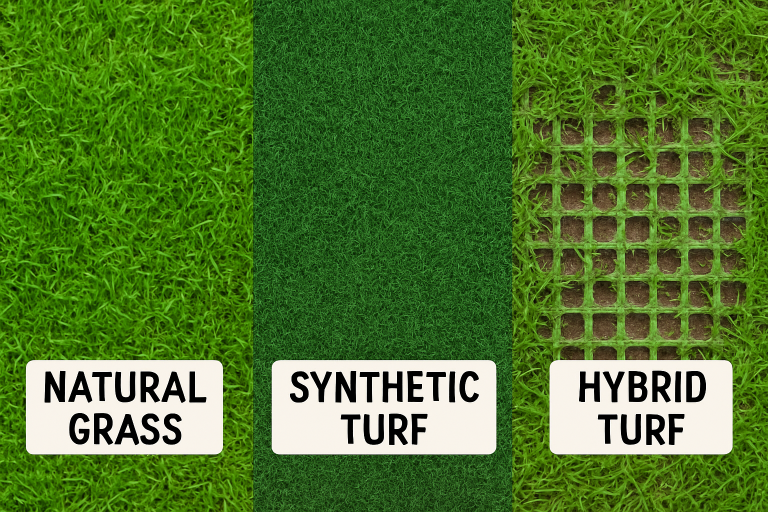
Three central turf systems are commonly used for modern athletic fields: natural grass, synthetic turf, and hybrid fields. Selecting the right option depends on multiple factors, including the field’s intended use, local climate conditions, maintenance resources, and the organization’s budget. Each system offers unique advantages and limitations that should be carefully weighed before making a long-term commitment.
Natural Grass
Natural grass has been the traditional choice for sports fields due to its aesthetic appeal, natural cooling effect, and familiar playability. Many athletes prefer the feel of grass underfoot, which can offer a softer, more forgiving surface and reduce the risk of specific injuries compared to harder alternatives. Grass fields also benefit the surrounding environment by supporting soil health, reducing stormwater runoff, and promoting a cooler microclimate.
However, these benefits come with significant maintenance demands. Proper upkeep includes regular mowing, irrigation, fertilization, aeration, pest control, and seasonal repairs to maintain consistent performance and safety. Natural fields are particularly vulnerable to overuse, as heavy schedules of games and practices can quickly lead to worn patches, muddy areas, or uneven surfaces. Weather extremes such as heavy rain, drought, or freezing conditions can further exacerbate wear, sometimes rendering the field unusable for days or weeks.
Synthetic Turf
Synthetic turf, often made of polyethylene or nylon fibers with rubber or sand infill, is designed to emulate the appearance and performance of natural grass while offering greater resilience. Its durability makes it ideal for venues with high traffic, such as multi-purpose stadiums, schools, and municipal sports complexes. Synthetic fields allow year-round use with minimal downtime, enabling consistent practice schedules, tournaments, and events regardless of weather.
Modern advancements in turf technology have improved shock absorption, traction, and fiber softness, enhancing player safety and comfort. Nevertheless, synthetic surfaces are not without concerns. They can experience significant temperature spikes on sunny days, sometimes reaching levels uncomfortable for athletes. Questions about the long-term environmental and health impacts of infill materials, such as crumb rubber, continue to drive research and influence turf selection decisions. While maintenance is generally lower than that of natural grass, synthetic fields still require periodic grooming, infill replenishment, and surface inspections to ensure performance and safety.
Hybrid Systems
Hybrid turf systems combine natural grass with synthetic fibers, interweaving the two to strengthen the root zone and enhance field durability. This approach allows the field to maintain the authentic playability and aesthetic of natural grass while supporting higher traffic loads and quicker recovery times. Hybrid fields are particularly appealing to professional or heavily used sports venues where the balance between performance, longevity, and player experience is critical.
The installation cost of hybrid fields is higher than either pure natural or synthetic systems, but the investment can be justified by extended usability and reduced downtime. Maintenance is more complex than either system alone, requiring care for natural turf alongside monitoring and maintenance of synthetic fibers. Despite these demands, hybrid fields are increasingly recognized as a versatile solution for high-performance sports environments, offering a sustainable middle ground between tradition and technology.
Factors to Consider When Choosing a Turf System
Decision-makers must weigh several critical factors beyond the surface material alone. A comprehensive evaluation will help determine which turf best serves both the athletes and the facility’s long-term mission.
Climate and Usage
The region’s weather patterns and the anticipated volume of practices and games are leading determinants. In humid or rainy areas, drainage may be an issue for grass, while in dry regions, irrigation costs can be high. Synthetic and hybrid systems are often selected for stadiums projecting near-daily usage or locations with fluctuating weather extremes.
Maintenance and Longevity
Maintenance extends beyond aesthetics—field upkeep is a safety issue as well. Synthetic turf eliminates mowing and reduces grounds crew hours, while hybrid and natural systems require constant attention. Life expectancy varies: natural grass, when properly maintained, can last indefinitely, while synthetic fields typically need replacement every 8-10 years, depending on use intensity and installation quality.
Player Safety
The safety profile of each turf system should be scrutinized. Studies featured on ESPN highlight measurable differences in specific injury rates between artificial turf and natural grass. Decision-makers should review recent data and engage with coaches and athletic trainers for firsthand insights.
Environmental Impact
Natural grass can act as a carbon sink and support local biodiversity, but it often requires significant water and fertilizer inputs. Synthetic surfaces use plastics and infill materials but conserve water and tolerate drought. Hybrid systems occupy the middle ground, offering certain environmental benefits alongside improved durability.
Recent Developments in Turf Standards
Industry-wide standards are changing in response to concerns about athlete safety and field durability. Leagues like the NFL have begun instituting minimum turf requirements across all venues, aiming to raise safety profiles and consistency. Compliance with growing standards such as GMAX (measuring shock absorption) and surface uniformity is now a baseline expectation for central athletic installations.
Conclusion
Deciding on the right turf system for an athletic field is a multifaceted process that requires balancing local environmental factors, facility budgets, intended usage, and regulatory compliance. By contrasting the nuances of natural grass, synthetic turf, and hybrid blends, stakeholders can secure fields that are safe, cost-effective, and sustainable for their athletes and broader communities. Keeping informed about technological advancements and up-to-date with professional and league standards helps ensure ongoing success and field longevity.