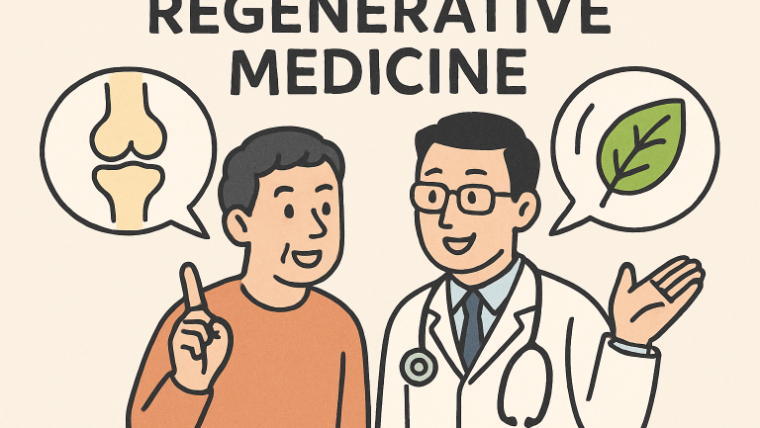




The health science industry is undergoing an extraordinary transformation, broadening career possibilities for individuals eager to make an impact in healthcare. With technology rapidly advancing and population needs continuously shifting, now is a critical time to explore and prepare for the expanding spectrum of health science roles. Many students and professionals are seeking flexible educational options, such as pursuing a Bachelor of Health Science online, to gain a comprehensive foundation while adapting to emerging trends.
Driven by demographic shifts, the prevalence of chronic diseases, and emerging treatment models, the healthcare landscape is undergoing widespread evolution. Those ready to enter the field must understand both the current demand and the innovative opportunities emerging in healthcare settings, research institutions, and technology firms. These new positions are not just about hands-on care—they often blend data analysis, engineering, and patient services to meet the needs of a rapidly changing population.
The most exciting opportunities in health science today often stem from mixing traditional healthcare skills with interdisciplinary proficiencies. Whether you aim for clinical work, therapeutic roles, or technology-driven careers, the pathways to long-term success are more diverse—and more attainable—than ever. As you consider your future, it’s crucial to strategically identify skills, training, and education that meet tomorrow’s healthcare demands.
Table of Contents
Growing Demand for Healthcare Professionals
The U.S. healthcare sector is projected to add millions of new jobs by 2032, largely due to an aging population and the growing prevalence of chronic diseases. According to data from the Bureau of Labor Statistics, not only will traditional roles such as nursing and medical assisting continue to be in high demand, but new specialization opportunities are also set to grow rapidly. This wave of expansion is transforming career trajectories, encouraging more people to consider and pursue health science degrees as a stable and rewarding investment for the future.
Technological Advancements Shaping Careers
Innovation is at the heart of the rapid growth in health science. Tools such as 3D printing are being harnessed to create custom prosthetics and artificial organs for patients, while robotic-assisted surgery is making procedures more precise and less invasive. Health informatics—a blend of information science, computer science, and healthcare—has opened up entirely new career avenues that didn’t exist a decade ago. Professionals with expertise in data management, artificial intelligence, and biomedical engineering are increasingly sought after to guide these revolutionary practices from concept to clinical application.
Education and Training Pathways
Educational institutions are rapidly updating their curricula to keep pace with the evolving healthcare industry. Programs such as the Find Your Future in Healthcare initiative offer high school and college students exposure to diverse fields within the health sciences through hands-on learning, mentorship, and real-world observation. For adults and working professionals, many accredited universities now offer flexible and accessible online options to earn credentials, such as a bachelor’s degree in health science, preparing students for both entry-level positions and advanced careers.
Diverse Career Options in Health Science
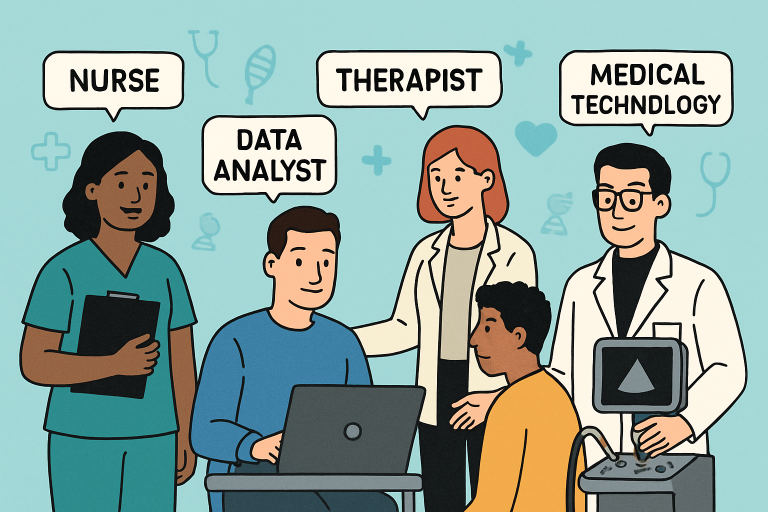
Health science is much broader than hospitals and clinics. Careers are cropping up in specialty therapy, telemedicine, healthcare administration, and community health, among others. Some of the most promising roles for the next decade include:
- Speech-Language Pathologists: These experts play a vital role in diagnosing and treating communication disorders. With the world’s aging populations, demand for speech-language pathology is expected to surge, projected to grow by 18% over the next decade.
- Occupational therapists play a crucial role in helping individuals recover from injuries or adapt to disabilities, thereby restoring their daily living skills. This field is expected to grow by 11% over the next ten years.
- Healthcare Data Analysts: Specializing in interpreting large datasets to improve care delivery, patient outcomes, and cost efficiency, these professionals are integral as organizations become more data-driven.
- Telehealth Coordinators: Facilitating the growing need for remote consultations and care, these coordinators manage the technology and processes that connect patients and providers virtually, a trend accelerated by the pandemic and the expansion of remote healthcare.
According to HealthLeaders Media’s analysis of healthcare job growth, the sector’s evolution will continue to open doors for new specializations and hybrid roles that blend technology with direct patient care.
Importance of Interdisciplinary Skills
Modern healthcare workforces are increasingly valued for their ability to bridge diverse areas of knowledge. For example, expertise in both data analysis and healthcare policy can advance critical roles within hospital systems and research organizations. Health professionals with backgrounds in public health, computer science, and business management are driving innovations in care delivery, efficiency, and patient experiences. As the field advances, the need for professionals who think creatively and adapt to cross-functional roles will only escalate.
Future Outlook and Preparation
The health science landscape will continue to evolve in response to emerging technologies, demographic changes, and global health challenges. To thrive in this dynamic environment, aspiring professionals must commit to lifelong learning and stay informed about shifts in health policy, medical technology, and best practices. Seeking interdisciplinary training, embracing new technologies, and networking with professionals in the field are all effective strategies for success and advancement.
A future-proof career in health science requires more than technical expertise—it demands adaptability, continuous education, and a willingness to engage with both patients and technology at the highest level.
In conclusion, opportunities in health science are expanding rapidly, driven by technological advancements and shifting healthcare models. By proactively pursuing education, whether through a Bachelor of Health Science online or specialized training, individuals can enter a field where innovation, impact, and growth are not just possible—they’re expected.