




Ensuring the structural integrity of commercial buildings in earthquake-prone regions is essential for both occupant safety and uninterrupted business operations. In areas where seismic activity poses a legitimate threat, property owners cannot afford to overlook preventive measures. Seattle commercial seismic retrofitting has become especially relevant as city planners and business owners strive to fortify structures against future quakes. This proactive measure improves the odds of occupant survival and dramatically reduces potential losses related to business downtime and asset damage.
Seismic retrofitting is not merely a matter of compliance but a sound investment in a property’s future stability and value. As natural disasters become more unpredictable, property stakeholders who take the initiative to retrofit soon discover it is a safeguard not only for their assets but also for the wider community. Seismic upgrade requirements and techniques are continually refined as experts learn from each seismic event worldwide, underscoring the importance of ongoing diligence in building maintenance. Given the range of solutions available, from structural reinforcements to advanced foundation improvements, every property can successfully undergo retrofitting to meet modern codes and standards.
Table of Contents
Understanding Seismic Retrofitting
Seismic retrofitting is the process of upgrading existing buildings to withstand better the forces generated by earthquakes. The process may include strengthening joints between the roof and walls, reinforcing the foundation, and installing structural supports such as continuity ties and shear walls. These upgrades significantly reduce the risk of partial or total structural collapse, especially when executed in compliance with engineering best practices. Retrofitting is often recommended for buildings constructed before the adoption of modern seismic codes, as well as for those identified as high risk due to attachments to load-bearing walls or other materials.
Identifying Vulnerable Building Types
Not every commercial building faces the same seismic risk. Structures most susceptible to earthquake damage include those lacking essential reinforcements and those designed with open or unsupported spaces on lower floors. Common risk categories include:
- Unreinforced Masonry (URM) Buildings: Without internal steel reinforcements, these brick or block wall structures are prone to collapse under seismic loading.
- Soft-Story Buildings: Commercial or mixed-use buildings with large storefront windows or open parking garages on the ground floor often lack sufficient lateral support.
- Concrete Tilt-Up Buildings: Popular in warehouses and shopping centers, these buildings rely on large, prefabricated concrete panels that can separate from the frame during a quake.
Key Retrofitting Techniques
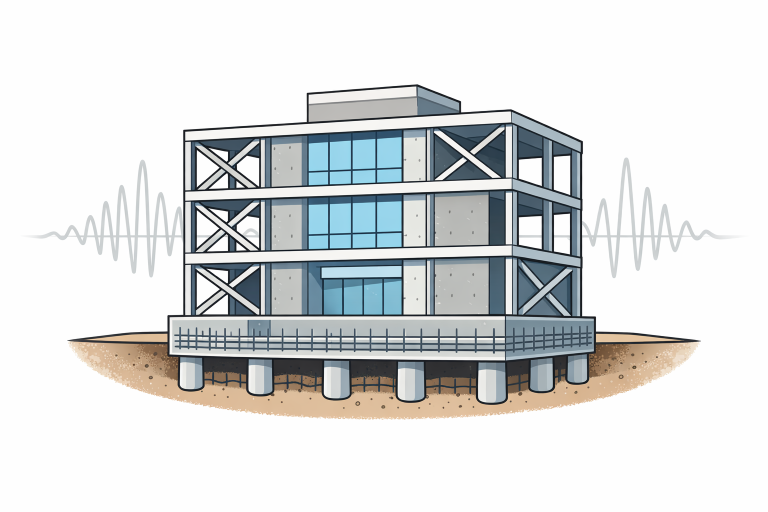
Modern retrofitting options vary widely depending on the building’s vulnerabilities and use. Some of the most common seismic retrofitting methods include:
- Adding Shear Walls: Strengthening a building’s ability to resist lateral forces by integrating additional vertical walls, which absorb earthquake shocks and distribute them more safely.
- Roof-to-Wall Connection Reinforcements: Metal connectors or steel plates are used to firmly attach roofs to load-bearing walls, preventing separation during tremors.
- Steel Braces and Moment Frames: These steel structural elements provide critical support at vulnerable points, absorbing immense seismic energy without buckling.
- Foundation Upgrades: Reinforcing or anchoring the building’s foundation helps resist sliding or tilting if soil liquefaction or severe shaking occurs.
Additional guidance and best practices for retrofitting can be found through reputable organizations such as FEMA, which provides technical standards and resources for commercial building owners.
Benefits of Seismic Retrofitting
- Improved Safety: The most significant benefit is protecting lives by minimizing the risk of building failure during an earthquake.
- Minimized Repair Costs: By preventing major structural damage, retrofitting limits the need for costly repairs post-event.
- Business Continuity: Enhanced structural integrity reduces downtime. Businesses can remain operational, supporting recovery in the aftermath of a disaster.
- Investment Value: Owners of retrofitted properties often find their buildings are valued more attractively on the commercial real estate market, especially among safety-conscious tenants.
For further discussion on the benefits and methodology of retrofitting, refer to the Los Angeles Times, which regularly reports on earthquake preparedness and building safety improvements.
Regulatory Requirements and Compliance
Building codes are regularly updated as seismic research evolves, making compliance a dynamic challenge for property owners. Many municipalities, especially in the Western United States, now require commercial building owners to implement seismic upgrades within fixed timeframes or risk fines and legal exposure. Staying informed about local ordinances is vital to maintaining legal standing and public safety. Consult with local government resources or city planning departments to confirm current requirements for your commercial properties.
Cost Considerations and Financing Options
Seismic retrofitting can represent a significant financial commitment. Factors influencing the overall cost include building age, size, type, and the extent of required upgrades. However, various state and federal programs offer owners financial assistance, grants, and favorable loans to promote compliance. Tax incentives may also be available to offset upfront costs, making retrofitting more accessible to a wide range of property owners. Evaluating these options thoughtfully ensures that retrofitting can be integrated into your capital planning strategy without compromising cash flow.
Choosing the Right Retrofitting Professionals
Partnering with experienced seismic retrofit contractors is one of the most important steps in a successful project. Check credentials, ensure the contractor holds proper licensing, and request examples of similar completed projects. A professional with a solid history in commercial seismic upgrades can provide valuable guidance, from thorough site evaluations to final code-compliant construction, ensuring every aspect of your retrofit meets or exceeds regulatory standards.
Conclusion
Seismic retrofitting is a forward-looking approach that goes beyond simple regulatory compliance. By strengthening commercial properties against earthquake threats, building owners take an active role in protecting lives, ensuring operational continuity, and safeguarding property values. Early planning, awareness of regulatory changes, and working with qualified professionals are all key to successful retrofitting. Prioritizing seismic upgrades is an investment in both your business’s future and the well-being of the larger community.