



Table of Contents
Why Auto Glass Care Matters
Auto glass issues are far more than a petty inconvenience; they are a direct threat to your safety and the well-being of everyone traveling with you. Specifically, cracks, chips, and other forms of auto glass damage can quickly escalate, potentially compromising your windshield’s ability to withstand impacts and provide clear visibility. Taking proactive steps to avoid and swiftly address these types of damage is key to maintaining your vehicle’s integrity and ensuring your journeys remain safe. Whether you encounter a small chip after driving through a construction zone or wake up to discover a long crack across your windshield, understanding how to care for your auto glass properly is essential knowledge for every car owner. In this comprehensive guide, you’ll discover practical strategies to effectively prevent damage and straightforward advice on when it’s best to consult the professionals for repairs or replacement.
Common Causes of Auto Glass Damage
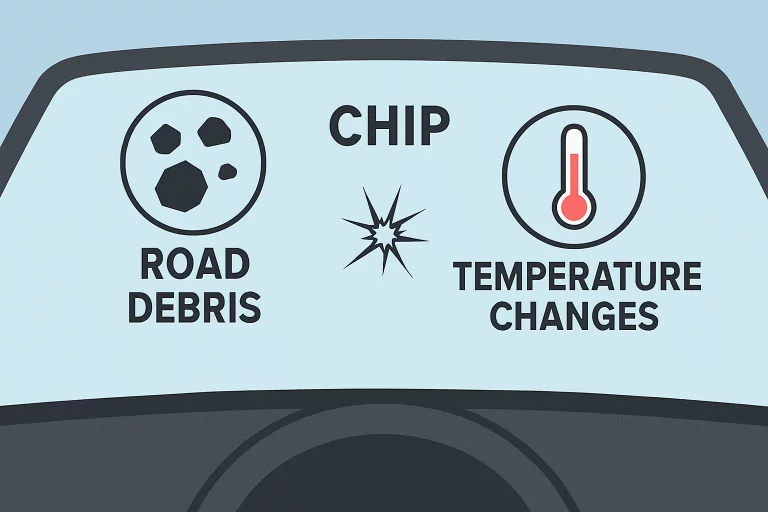
Auto glass damage primarily results from environmental influences and driving behaviors, rather than chance. Road debris, such as rocks and gravel, can cause chips or cracks on windshields. Vehicles such as large trucks and those carrying unsecured cargo pose particular dangers, as their tires can launch rocks directly at the windshield. Keeping a safe distance from these vehicles reduces debris exposure and provides more time to identify hazards. Sudden temperature shifts can cause the glass to expand or contract rapidly, leading to cracks. Parking in direct sunlight can also cause rapid temperature fluctuations, which may exacerbate existing chips or lead to new cracks. Improper installation with subpar materials can lead to leaks, looseness, or damage from minor impacts. Professional, quality installation ensures the windshield’s structural integrity and helps prevent early failure, making it a valuable investment for vehicle owners.
Preventive Measures
Auto glass problems can be prevented with simple preventative maintenance and small adjustments to your routine. Maintaining a safe following distance between your vehicle and the one in front, especially in construction zones or areas with loose roadway materials, can reduce the chances of debris striking your windshield. Regularly checking wiper blades is crucial to prevent scratches, streaks, and permanent etching on your windshield. If a chip or crack does occur, addressing it quickly with proper glass repair can prevent further damage and save you money in the long run. It’s best to inspect wiper blades every six months and replace them yearly.
Avoid extreme temperature changes by gradually turning on your vehicle’s heater or using a quality ice scraper. On hot days, use reflective sunshades or tint films to buffer your windshield from direct sunlight. Parking in shaded or covered areas is ideal to reduce the effects of temperature fluctuations on your auto glass.
Choose parking locations wisely, as parking under trees exposes your windshield to falling branches, pinecones, and heavy bird droppings, which can cause scratches, chips, or chemical stains on your vehicle. Opt for garages, carports, or covered areas whenever available, and always scan your surroundings before leaving your vehicle for an extended period.
Repairing Auto Glass Damage
Timely intervention is crucial when dealing with a chip, crack, or other damage to your windshield. Allowing minor blemishes to linger can lead to more serious problems, such as compromising the structural integrity and increasing the risk of shattering during impact. DIY repair kits can be effective for small chips or “bullseye” cracks, but they are best reserved for minor, superficial damage. Professional repair services are necessary for moderate to severe cracks, especially those that are longer than a quarter of an inch or located in the driver’s line of sight. These experts use commercial-grade materials and specialized tools to restore the windshield’s strength and clarity. Many professional auto glass shops offer mobile repair units, which save time and ensure vehicle safety. Professional repairs come with warranties, providing peace of mind about the longevity of your auto glass.
When to Seek Professional Help
When dealing with windshield cracks, it is essential to seek professional assistance. Overlooking certain types of damage or attempting DIY repairs can lead to sudden windshield failure and potentially result in legal issues. If a crack exceeds six inches, it compromises the windshield’s structural integrity and poses a significant safety risk. Cracks located in the driver’s line of sight, where traffic laws prohibit operating a vehicle with damage, can distort light and refract sunlight. Even minor chips can cause dangerous effects. Multiple cracks or chips can weaken the windshield’s ability to absorb impact, increasing the risk of the entire sheet shattering. A professional assessment determines when a full windshield replacement is a safer and more valuable option for long-term protection.
Conclusion
Caring for your auto glass is about more than preserving appearances—it’s about ensuring the reliability and protection that your windshield and windows are meant to provide. By recognizing the most common causes of problems, undertaking regular preventive maintenance, and knowing when to seek professional help, you take critical steps toward safer driving and lower long-term expenses. Promptly addressing any damage, no matter how small, and performing routine inspections are essential practices for vehicle owners who value durability and safety. If you ever notice signs of trouble or have questions about your auto glass, don’t hesitate to contact a trusted auto glass specialist or explore additional tips from vetted professionals like those found at your favorite automotive resources. By investing in upkeep and informed decisions, you’ll ensure your vehicle continues to deliver safe and comfortable travel for years to come.