




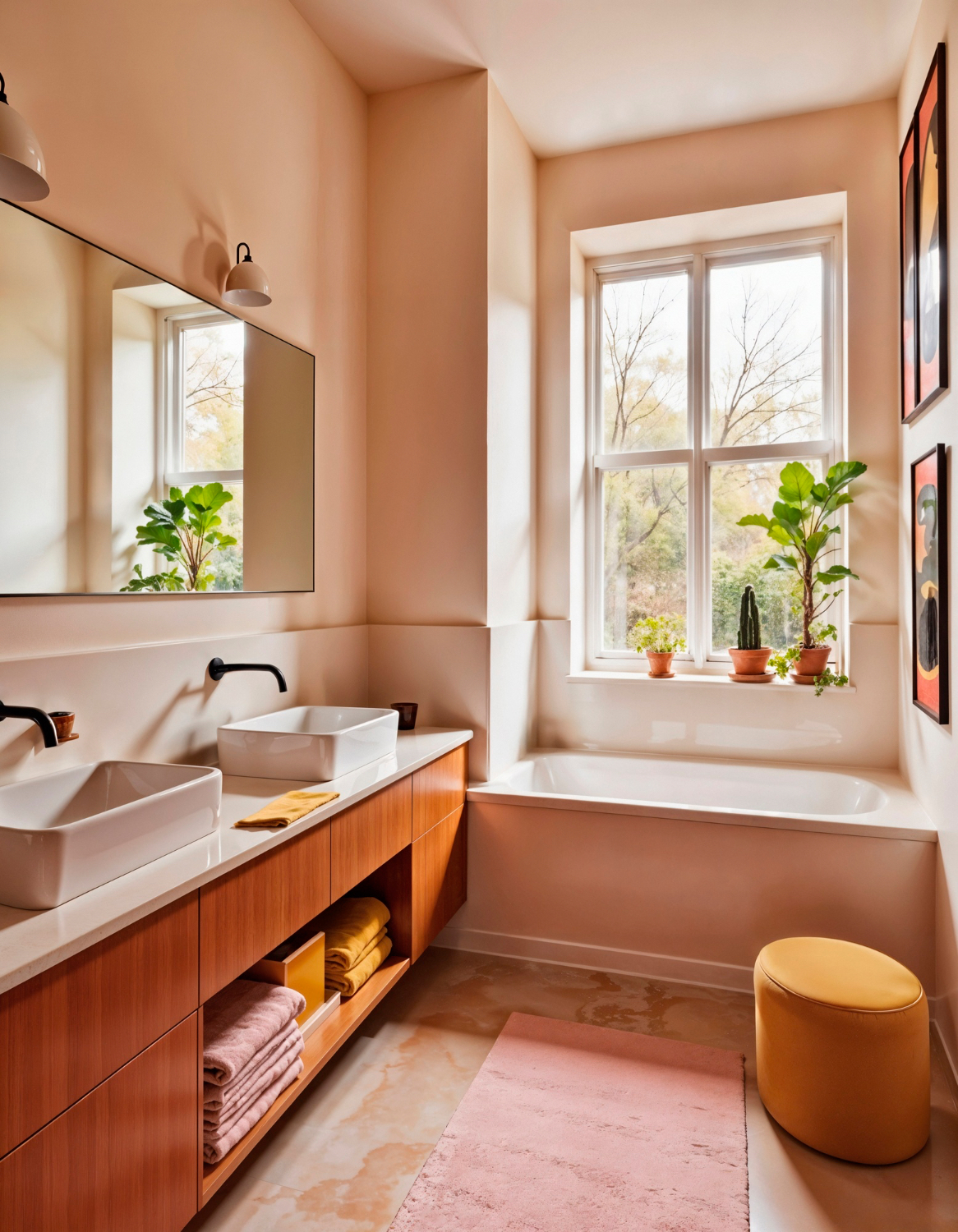
According to the Housing Industry Association, the average Australian bathroom renovation currently costs between $20,000 and $26,000. With such a significant financial investment, homeowners are increasingly looking for ways to protect and elevate their personal spaces. Today’s bathroom is no longer just a utilitarian room for hurried morning routines; it is a vital part of the home’s overall aesthetic and a sanctuary for unwinding after a long day. A recent Houzz Australia study revealed that 67 percent of renovators now prioritise spa-like wellness features, shifting the modern design focus toward visually calming, minimalist environments. Achieving this relaxing atmosphere often comes down to the final touches, but there is a fine line between a beautifully curated vanity and a cluttered benchtop. Whether you are planning a full-scale renovation or simply looking to refresh your current setup, understanding how to style your space is a pivotal step.
Table of Contents
Build a Solid and Water-Resistant Foundation
Before you can think about decorative layers or matching accent pieces, you need to ensure the room itself is built to handle constant moisture. A well-designed space relies heavily on structurally sound choices. When laying the groundwork for your design, you must first focus on foundational structures, like choosing durable bath panel materials that will not warp or degrade over time. Choosing the correct structural materials sets the tone for the entire project and prevents costly repairs down the line.
Once you have secured high-quality acrylic, moisture-resistant boards, or solid surface materials for your structural elements, you create a reliable blank canvas. When you select premium moisture-resistant materials, you are actively safeguarding the longevity of your interior design. This robust foundation protects your renovation investment and allows you to confidently introduce softer design elements without worrying about underlying water damage or mould issues creeping into your walls.
The Psychology of Visual Balance
The physical footprint of the average Australian bathroom has been shrinking in recent years due to construction affordability constraints. In these smaller spaces, smart planning and deliberate styling become highly critical. Choosing a cohesive set of Bathroom Accessories is an excellent way to introduce matching accents, but you must be careful not to overwhelm the room. Selecting a streamlined collection helps tie the room together visually, establishing a central design motif without requiring multiple competing focal points.
Having too many items on display does more than just take up valuable bench space. According to a recent Yale University study, visual clutter in a person’s field of vision significantly decreases how efficiently information flows between neurons in the primary visual cortex. The research highlights how visual clutter alters information flow in the brain, making it much harder to process everyday objects. Selecting a few matching items instead of a chaotic mix creates a calming environment that actively prevents this mental clutter and cognitive overwhelm.
Applying the Rule of Three
Interior designers frequently rely on the “Rule of Three” to create visual harmony without making a room look overly staged. The human brain naturally processes odd-numbered visual groupings as more dynamic and balanced than strict, even-numbered symmetry. By intentionally grouping items in odd numbers, you encourage the eye to move around the display rather than fixating on a rigid pattern. To the human eye, a tightly curated cluster of three items is processed as a single visual element, which adds personality to the room while actually reducing the perception of clutter.
When styling your vanity or shelving, keep these practical tips in mind to maximise aesthetic appeal:
Selecting High-Quality Materials
In high-humidity coastal or urban Australian climates, the materials you choose for your finishing touches dictate their lifespan. Premium accessory collections are frequently manufactured using grade 304 stainless steel. This specific grade contains 18 percent chromium and 8 percent nickel, which work together to form a passive oxide layer that physically blocks rust and corrosion.
Unlike budget hardware made from aluminium or lower-grade steel, 304-grade stainless steel resists the pitting and degradation caused by extreme moisture. Furthermore, its non-porous nature provides natural antibacterial properties, actively inhibiting the growth of microorganisms on frequently touched items like towel rails and soap dispensers.
Creating Your Everyday Retreat
Styling a bathroom should never feel like a chore or result in a chaotic, overcrowded space. By prioritising solid foundational materials, relying on cognitive design principles, and investing in durable stainless steel pieces, you can craft an elegant sanctuary. With just a few carefully selected matching elements, your space will look beautifully curated and effortlessly organised for years to come.