



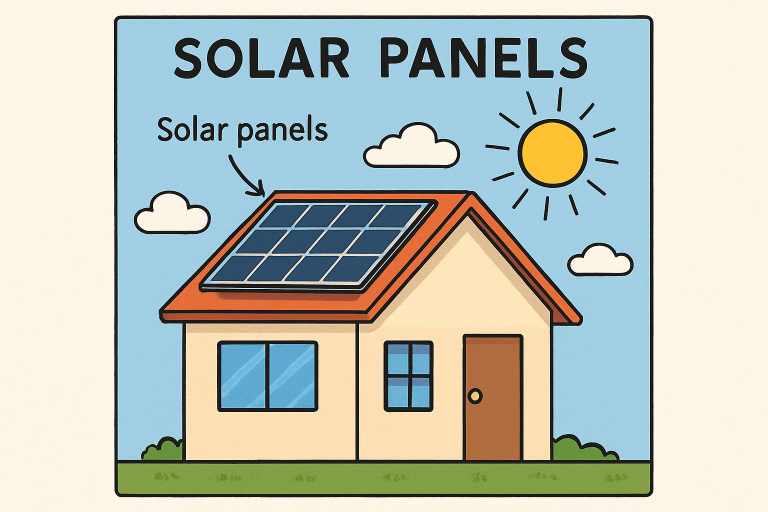
As more homeowners invest in sustainable energy, combining solar panels with your roof is becoming a smart way to save money and shrink your environmental footprint. Choosing the right approach requires understanding both the practical and aesthetic factors. If you’re considering partnering with a roofing and solar contractor, this guide provides the detailed insights you need for a smooth integration of solar technology into your residential roofing system.
With solar adoption on the rise, the availability of customizable options and financial incentives has never been better. Whether your goals are lower energy bills, increased property value, or contributing to a cleaner planet, integrating solar panels addresses each of these objectives. It’s important to review all considerations upfront to ensure you get the most out of your investment.
Installing solar panels is more than a simple home upgrade. It represents a long-term commitment to renewable energy. Understanding your options and the implications of your choices is crucial to maximizing benefits while minimizing any drawbacks.
Table of Contents
Benefits of Integrating Solar Panels
Combining solar panels with your roofing system delivers a range of advantages:
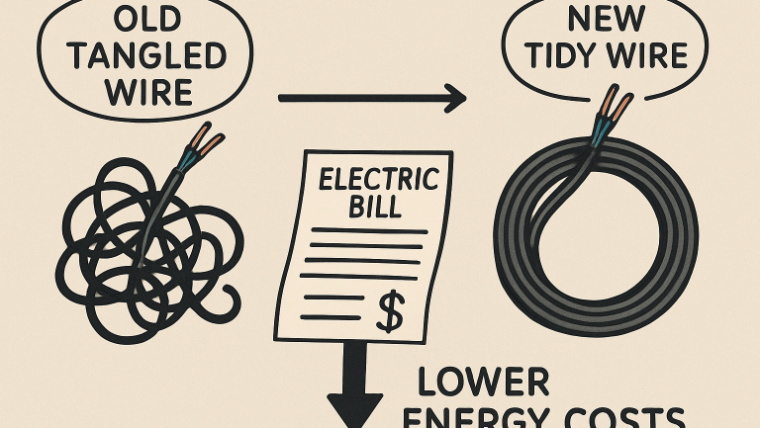
- Energy Savings: Generating your own renewable electricity can dramatically reduce utility bills, particularly as energy prices rise. For many households, the savings grow year after year as the system pays for itself.
- Increased Property Value: Homes with solar energy systems are seen as more attractive to buyers. According to research cited by The New York Times, solar-equipped properties often sell faster and command higher prices compared to similar homes without solar panels.
- Environmental Benefits: Producing clean energy at home reduces your reliance on fossil fuels. Over time, this decision makes a meaningful impact on lowering your household’s carbon footprint.
Choosing the Right Roofing Material
The type of roofing material you currently have, or plan to install, affects how well solar panels can be integrated. Metal roofs are especially compatible with solar panels, as their durability ensures a long service life. Additionally, solar panels can be attached to standing-seam metal roofs without creating punctures, helping prevent leaks. Other materials, such as asphalt shingles or tiles, are also commonly used but may require specific mounting solutions or minor roof adjustments to ensure a water-tight installation.
When assessing your options, consider the expected lifespan and maintenance requirements of both the roofing and the solar components. The goal is to align the durability of your roof with the lifespan of your solar system, typically 25 years or more. If your existing roof is nearing the end of its life, replace it before going solar to avoid added costs or complications later on.
Structural Considerations
Solar panel installations add weight to your roof. Although most roofs are designed to withstand additional loads, it is essential to verify their structural integrity before proceeding. An inspection by a qualified structural engineer or a professional roofing contractor ensures your roof can bear the additional weight without jeopardizing stability or safety. During this evaluation, professionals will check for any signs of aging, water damage, or underlying issues that might need attention beforehand.
Consider the orientation and pitch of your roof as well. South-facing roofs with minimal shade typically yield the best results, but solar panels can be adapted for almost any configuration with the right planning and mounting equipment.
Aesthetic Integration
Advances in solar technology have resulted in options that are both efficient and visually appealing. Integrated solar roofing, including solar shingles and high-end panels, closely mimics traditional materials like asphalt or tile. This integration preserves your home’s curb appeal while generating energy. Some homeowners’ associations (HOAs) have design guidelines about visible solar hardware, so check for applicable rules in advance. Carefully blending solar panels with your roof’s color and style ensures a harmonious result that meets both your needs and community standards.
Financial Incentives and Rebates
The upfront cost of solar panel systems can be mitigated through a range of incentives:
- Federal Tax Credits: The federal Investment Tax Credit (ITC) allows you to deduct a significant percentage of your installation costs when filing your federal taxes. This incentive continues to make solar installation far more approachable for homeowners across the United States.
- State and Local Incentives: Different states and sometimes municipalities offer rebates and programs to promote solar adoption. For instance, California’s Self-Generation Incentive Program (SGIP) offers significant rebates for solar-plus-energy-storage systems.
Research which programs apply to your area and combine available incentives to make your investment as cost-effective as possible. Many local utilities also offer rebates or sell-back programs for the excess electricity your system produces.
Maintenance and Longevity
Solar panels are designed for minimal maintenance, usually limited to periodic cleaning and occasional inspections. When paired with durable roofing materials like metal or composite shingles, a properly installed system should last 25 years or more with very little maintenance. Some manufacturers offer comprehensive warranties that cover both panels and inverters, providing added peace of mind. Routine monitoring ensures your panels continue to operate at peak efficiency throughout their lifespan.
Environmental Impact
By switching to solar, a typical residential system reduces greenhouse gas emissions by about 20 metric tons of carbon dioxide over 25 years, according to the Environmental Protection Agency (EPA). These reductions contribute meaningfully to efforts to combat climate change by cutting down your household’s reliance on non-renewable energy sources. Over time, widespread adoption of solar energy at the residential level can play a major role in building a more sustainable future.
Final Thoughts
Integrating solar panels with residential roofing is an investment that pays off across multiple dimensions. From reducing ongoing energy expenses and boosting your property’s value to minimizing your environmental impact, the benefits are substantial. Ensuring a successful installation starts with selecting durable materials, assessing your roof’s structural integrity, planning for aesthetic integration, and taking advantage of attractive financial incentives. Partnering with knowledgeable professionals and staying informed throughout your project will help you achieve the best results from your solar energy transition.