




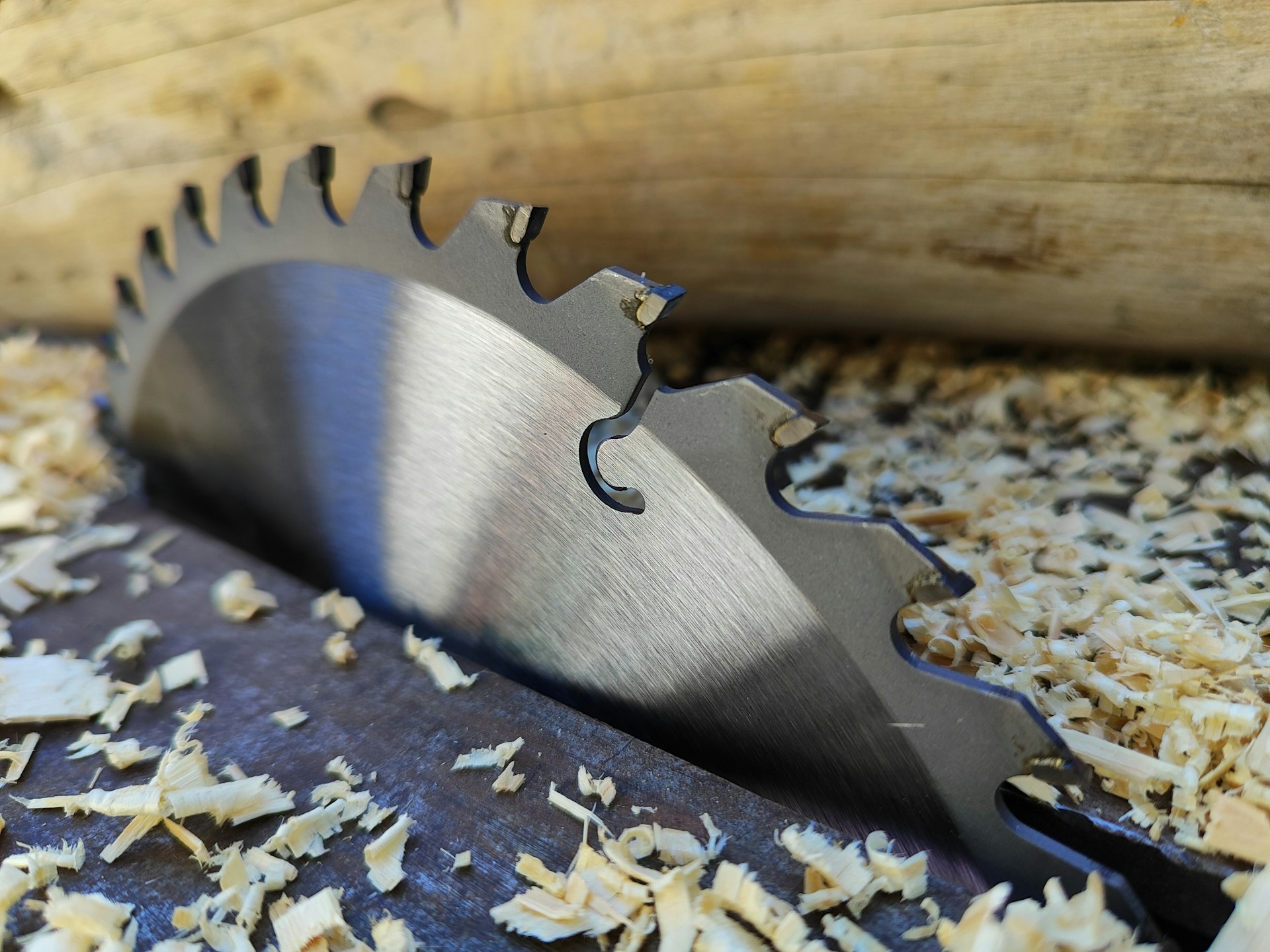
Growth brings fresh projects and tighter deadlines, and the tools you choose can make those moments smoother. The right selection improves finish quality, lowers rework, and keeps schedules from slipping when surface conditions change. Tooling also shapes training because crews learn faster with gear that behaves predictably across jobs. A practical approach turns buying from guesswork into a repeatable method that supports cost control and customer satisfaction.
Table of Contents
Understand Material, Machines, And Outcomes
Every tooling choice begins with the surface you plan to change and the machine that will drive the work. Concrete density, hardness, and prior coatings push the tool in different ways, and small differences become visible in the final texture. Other moving parts of the system, including the right industrial heaters for the product’s type and density, should form part of your consideration. Planetary and rotary grinders apply force and speed differently, which affects whether a segment skates, bites, or loads up. Define the desired result in plain terms so everyone knows whether the goal is removal, profiling, or polishing. When inputs and targets are clear, the short list of suitable tools becomes much easier to build.
Match Abrasives To Concrete Reality
Abrasive grade, bond, and segment pattern determine how a tool engages with the slab. Softer bonds release diamonds faster to expose fresh cutting points on hard concrete, while harder bonds hold diamonds longer for soft concrete that tends to abrade the matrix. The same logic applies to segment shape, since wide faces ride differently than narrow ones when they meet trowel marks or embedded aggregate. If your workflow emphasizes portable consistency, consider how grinder tooling fits across machines and crews so results line up from site to site. Field tests on a small patch reveal more than spec sheets because dust color, sound, and pass count show whether the match is right.
Balance Speed, Surface Quality, And Cost
Production targets fall apart when a tool is fast but leaves swirl marks or chatter that must be corrected. A slower pass that lands on spec the first time often beats a quick pass followed by extra steps, since labor and downtime are the largest cost drivers. Track pass counts, square footage per set, and cleanup minutes after each grit so you can compare options with real numbers. When you weigh tool price against usable life and finish quality, the best value becomes clear without guesswork. This balanced view helps buyers explain choices to managers and helps crews trust that the plan fits the day’s goals.
Safeguard Operators And Extend Equipment Life
Safety and performance move together on the floor. Tools that cut cleanly reduce kickback, lower vibration, and keep operators steady during long sessions. Dust behavior matters as well because a tool that pairs well with extraction protects lungs and keeps sensors, bearings, and electrical components cleaner. Sharpening routines and correctly mounting protect spindles, plates, and couplers from wear that shortens machine life. When operators feel the machine running smoothly and see clean air at the shroud, they stay focused and productive from first pass to last.
Plan For Inventory, Maintenance, And Traceability
A solid plan ensures the right segments reach the site in the right quantities without tying up cash. Group tools by bond and grit families and label storage so crews can find what they need quickly under time pressure. Keep simple records of tool life by concrete hardness and grinder model, since those notes will predict future orders with surprising accuracy. Clean, dry storage preserves performance by preventing matrix corrosion and pad deformation between jobs. With a reliable restock rhythm, buyers spend less time reacting and more time negotiating favorable terms with suppliers.
Turn Data From The Floor Into Better Purchases
Real improvements start when feedback loops connect the job site to the purchasing desk. Ask crews to note pass counts, square footage, and any issues with loading or glazing during each stage, then transfer those notes into a shared tracker. Photos of finished texture under consistent light help you compare outcomes across tools and crews without relying on memory. Small patterns emerge quickly, such as which bonds shine on hard interiors and which segments handle exterior slabs after rain. These patterns guide the next purchase order and build a library of choices that new supervisors can use with confidence.
A careful approach to tooling elevates quality, protects crews, and keeps equipment running smoothly. Selection based on surface facts and machine behavior produces repeatable finishes that clients notice. Simple tracking of life, speed, and cleanup gives buyers clear proof when they choose one tool over another. With thoughtful planning and honest feedback from the floor, your business can deliver consistent results and step into larger projects with steady hands.