



Table of Contents
Understanding the Impact of Food Waste
Around the world, approximately one-third of all food produced never gets eaten, with billions of pounds discarded every year. This not only results in an immense loss of resources and financial capital but also exacerbates environmental issues such as greenhouse gas emissions. Every piece of wasted food signifies not only lost nutrition but also wasted water, energy, and labor used in production. As food waste decomposes in landfills, it further releases methane, a potent greenhouse gas that contributes to climate change. Implementing effective food storage strategies is a crucial step toward addressing this ongoing crisis. Simple solutions, such as properly using vacuum sealer bags, can make a noticeable difference in how long groceries last and how much ultimately ends up in the trash.
At the household level, addressing food waste means adopting new perspectives about food longevity and preservation. Consumers are increasingly understanding that food waste is not just a supply chain issue, but one that starts—and can end—at home. By taking active measures, such as learning how storage practices affect spoilage, every family can make a meaningful contribution to a more sustainable future.
The Role of Vacuum Sealing in Food Preservation
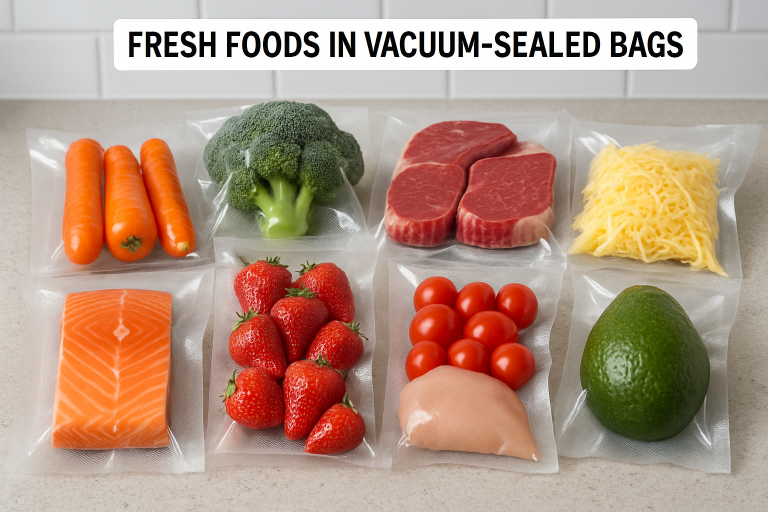
Vacuum sealing works by extracting air from storage bags or containers, thus minimizing oxidation and dramatically slowing the growth of bacteria, mold, and other organisms that lead to spoilage. This method can extend the freshness of meats, cheeses, fruits, vegetables, and even pantry staples. For example, vacuum-sealed cuts of meat can last up to five times longer in the refrigerator than those stored in regular packaging. Vegetables retain their crispness, and dry goods stay free from pests and moisture for months or even years.
The result is that families can buy groceries in larger quantities without the worry of spoilage or wasted money. Not only does this help ease budgets, but it also reduces reliance on single-use plastics, since foods are kept fresher for longer periods.
Benefits of Vacuum Sealing
- Extended Shelf Life: Removing oxygen helps preserve the taste, texture, and nutritional value of food, giving consumers more flexibility in meal planning and less anxiety about expiration dates.
- Cost Savings: By slowing spoilage, families need fewer grocery runs and throw out less food, resulting in monthly savings that add up.
- Environmental Impact: Reducing food waste leads to lower methane emissions and decreased landfill usage, driving positive change at both the community and global scales.
Implementing Smart Vacuum Sealing Habits
Success with vacuum sealing starts with a few practical routines.
- Portion Control: Before sealing, divide bulk-buy foods into one-meal servings. This ensures you only defrost and use what you need at any given time, helping with calorie management and reducing leftovers.
- Labeling and Dating: Every vacuum-sealed item should be clearly labeled with the contents and the sealing date. This practice enables households to use foods on a “first-in, first-out” basis, ensuring older items aren’t forgotten and wasted.
- Proper Storage: Vacuum sealing significantly slows spoilage, but it isn’t a substitute for refrigeration or freezing perishable items. Always store vacuum-sealed food according to its specific requirements to maximize freshness.
Advancements in Vacuum Sealing Technology
Technology in the kitchen has evolved, and vacuum sealing devices are no exception. Modern sealers now offer smart technology—such as freshness monitoring systems and notifications when food is nearing expiration. Some even integrate with kitchen management apps, tracking what has been sealed and warning users before items go bad. These innovations further minimize effort while maximizing preservation and savings, making food management easier for everyone.
According to a report from The U.S. Environmental Protection Agency, the newest models are quieter, offer stronger suction, and include multiple settings for different foods—from delicate berries to sturdy cuts of meat.
Final Thoughts
Smart vacuum sealing habits are an excellent tool in the fight against food waste. By embracing practical storage techniques and utilizing innovations in home food preservation, households can lower their food bills, enjoy fresher meals, and reduce their environmental impact. Small, consistent changes in how food is stored and managed can lead to meaningful long-term benefits for your family and the planet.