



Expanding a culinary business traditionally meant finding a second, third, or fourth brick-and-mortar location. However, signing a new commercial lease comes with astronomical overheads, lock-in contracts, and geographical limitations. Savvy hospitality entrepreneurs in Australia are increasingly looking toward a more agile strategy to scale operations. They are bypassing the standard restaurant expansion model and building decentralised mobile fleets instead.
The timing for this shift is highly strategic. Traditional venues face immense pressure from rising utility costs and unpredictable foot traffic. Conversely, the fast food and takeaway sector in Australia continues to thrive, with the market size projected to reach $29.7 billion in 2025 by IBISWorld, representing a steady 2.9 percent growth rate for the year. Tapping into this consumer demand through a low-overhead mobile fleet is a brilliant way to multiply revenue streams. This approach allows businesses to scale at their own pace without being tied down by a ten-year lease.
Table of Contents
The Strategic Advantages of Going Mobile
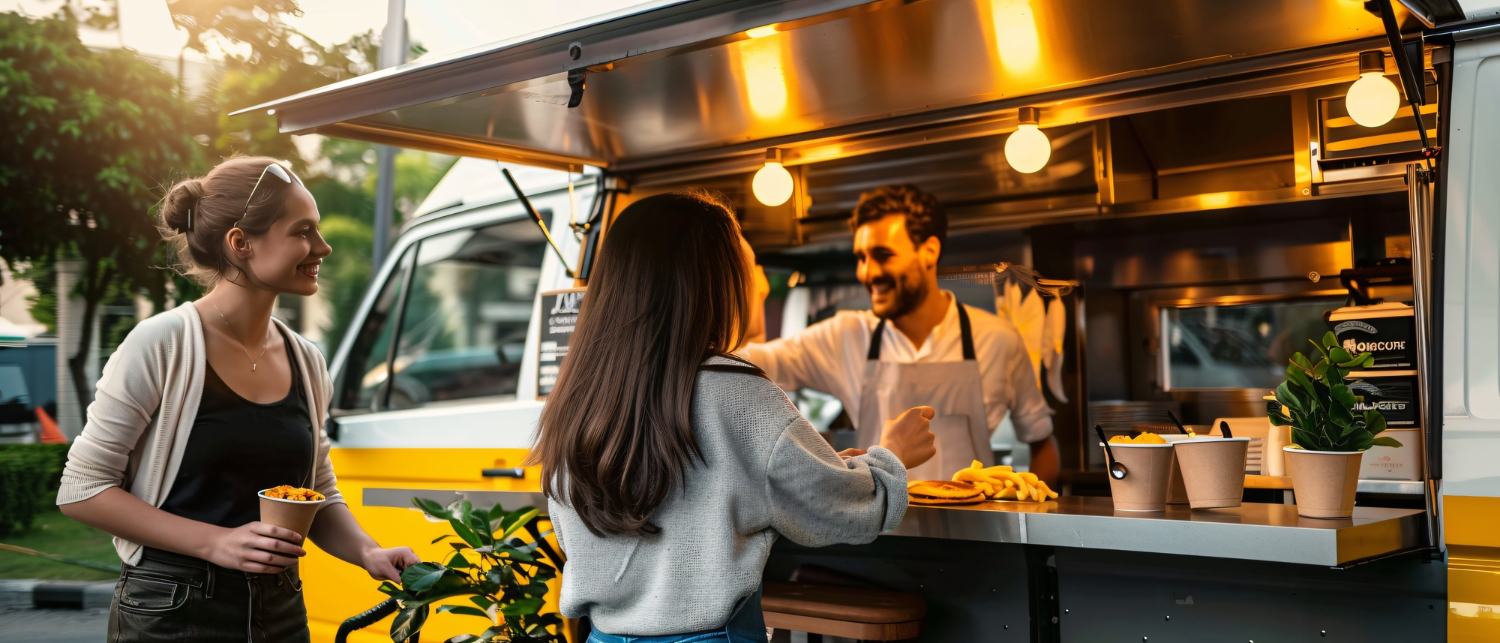
Scaling a business relies on maximising returns while minimising risk. Transitioning from a single central location to a mobile operation drastically reduces your capital expenditure. Unlike a permanent restaurant relying on foot traffic in one specific postcode, a mobile fleet actively chases demand. If a festival draws thousands of attendees, or a corporate business park lacks quality lunch options, your team can drive directly to the revenue source. Furthermore, if a location underperforms, your business is not trapped. You simply turn the ignition and relocate to a more profitable area.
Before rolling out multiple vehicles, you need to acquire the right assets. Finding a high-quality food truck for sale is often the most cost-effective first step for entrepreneurs testing the mobile waters. Whether purchasing a newly outfitted vehicle or a reliable second-hand unit, the initial investment is a fraction of what a commercial fit-out costs in fixed premises. This strategy preserves vital cash flow, allowing owners to invest in marketing, staff training, and product development.
Sourcing and Selecting the Right Fleet Assets
Building a reliable mobile workforce starts from the ground up. The foundation of any successful culinary fleet is the commercial vehicle itself. You need a dependable, fuel-efficient, and structurally sound van or truck to support heavy kitchen equipment and long hours on the road. When sourcing equipment, carefully evaluating your commercial vehicle base, such as weighing the pros and cons in a comprehensive Sprinter vs Transporter comparison, will ensure you invest in a reliable foundation.
Consider payload capacities, servicing costs, and internal dimensions. A heavier setup with deep fryers and extraction fans requires a robust chassis. Your vehicle choices dictate operational efficiency for years to come. Consult with vehicle outfitters to ensure the base vans can handle the demanding rigours of the Australian hospitality industry. Additionally, ensure compliance with strict local council health regulations, as mobile premises are subject to thorough inspections.
Key Tactics for Managing a Decentralised Workforce
Once your fleet is outfitted, operational focus must shift to management. Running a mobile business requires an entirely different leadership approach compared to managing staff in a single kitchen. You must implement strong systems to ensure consistency across multiple locations simultaneously. Staff operate independently, making comprehensive training a paramount concern.
To maintain brand standards across a decentralised fleet, focus on these core strategies:
- Standardised Operating Procedures: Every vehicle must operate using exact recipes, portion controls, and hygiene checklists via digital manuals.
- Centralised Prep Kitchens: Rather than prepping raw ingredients in a confined truck, utilise a single commercial ghost kitchen for bulk preparation.
- Real-time Inventory Tracking: Implement cloud-based systems to monitor stock levels, allowing management to redirect supplies dynamically.
- Proactive Fleet Maintenance: A broken-down vehicle halts revenue instantly. Schedule preventative mechanical servicing and deep cleaning rosters.
Scaling up excellence requires innovative thinkig. By trading expensive real estate leases for a dynamic fleet of mobile vehicles, leaders can achieve rapid growth with significantly lower financial risk. This shift demands meticulous planning and rigorous management of remote staff. However, the payoff is a highly adaptable, profitable enterprise ready to meet customers exactly where they are.