



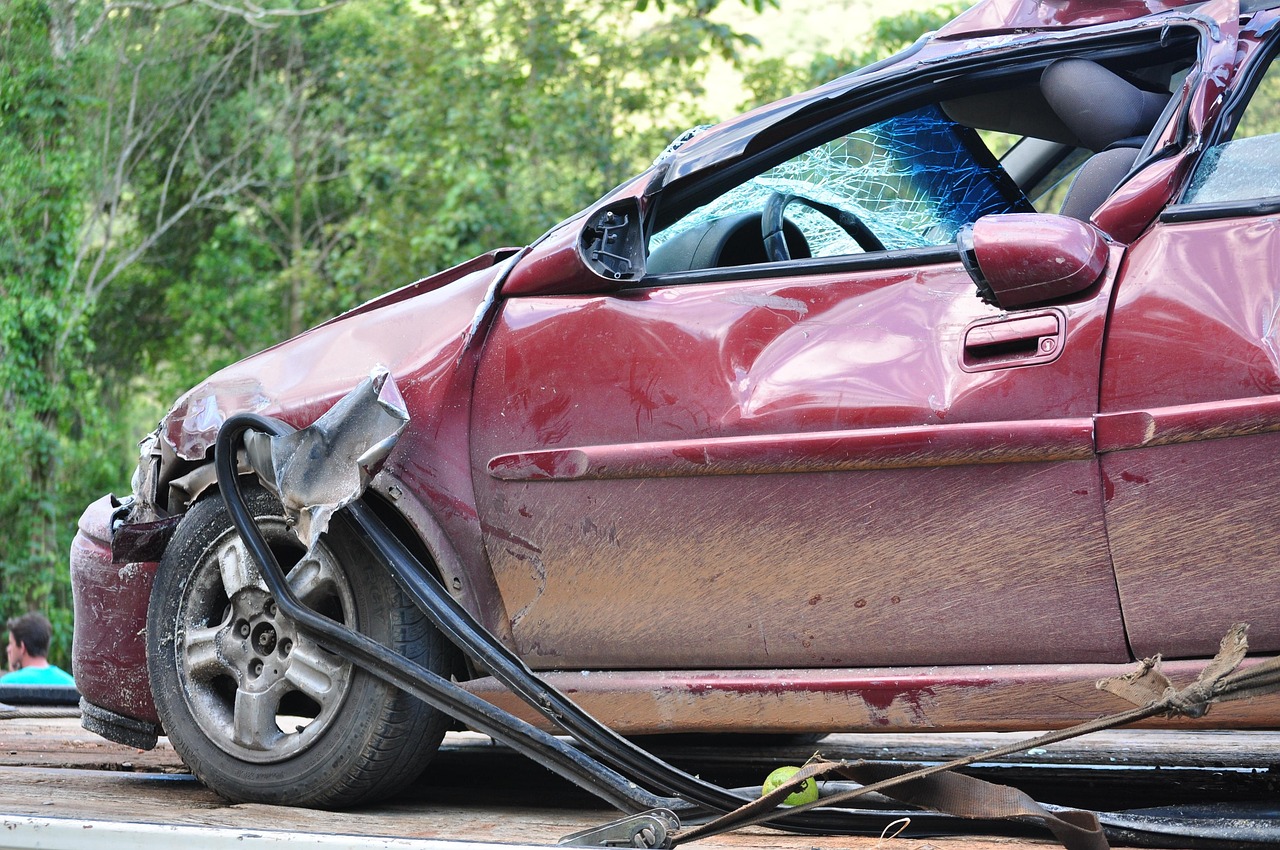
Multi-car pileups are among the most complicated accidents to navigate, both on the road and in the courtroom. When three or more vehicles collide in rapid succession, determining who is at fault becomes a puzzle with many pieces. Understanding how liability works in these situations can help you protect your rights and prepare for what comes next.
Chain reactions typically start with one driver’s mistake. Perhaps someone was speeding, following too closely, or driving distracted. That initial collision sends one car into another, which crashes into the next, creating a domino effect that can involve dozens of vehicles. Each driver who hits someone from behind may share some responsibility, but the original cause often carries the heaviest burden of fault.
Insurance companies examine every detail when multiple vehicles are involved. They review police reports, witness statements, dashcam footage, and physical evidence from the scene. Each driver’s actions leading up to the crash matter. Was someone driving too fast for conditions? Did a driver have enough time to brake? Were hazard lights activated? These questions help investigators piece together the sequence of events.
The concept of comparative negligence comes into play in many states. This means multiple parties can share fault in different percentages. For example, the driver who caused the initial collision might be 60 percent at fault, while another driver who was following too closely might be 30 percent responsible, and a third driver who was distracted might hold 10 percent of the blame. Your ability to recover damages may depend on your percentage of fault and your state’s specific laws.
Business owners and fleet managers face unique challenges after multi-vehicle accidents. When commercial vehicles are involved, the stakes increase significantly. Companies need protection that adapts to their specific risks and operations. Having customizable commercial auto coverage means businesses can tailor their policies to match their exact needs, whether they operate delivery vans, freight trucks, or a mixed fleet. This flexibility becomes invaluable when sorting through complex liability claims where multiple commercial and private vehicles are involved.
Documentation becomes your strongest ally after a pileup. Take photos of all vehicles involved, their positions, license plates, and the surrounding scene. Collect contact information from other drivers and witnesses. Note weather conditions, road hazards, and any traffic signals or signs. The more evidence you gather, the clearer your case becomes. Your observations immediately after the accident carry more weight than memories recalled weeks later.
Medical attention should be your first priority, even if you feel fine. Adrenaline can mask injuries that become apparent hours or days later. Medical records created immediately after the accident provide crucial evidence linking your injuries to the collision. Gaps in medical treatment can hurt your claim, as insurance companies may argue your injuries weren’t serious or weren’t caused by the accident.
Settlement negotiations in multi-car accidents often take longer than simple two-vehicle crashes. Multiple insurance companies must coordinate their investigations and determine how to divide responsibility. Some insurers may try to shift more blame onto other parties to reduce their payout obligations. Patience and persistence matter here. Don’t accept the first settlement offer without understanding the full extent of your damages and each party’s liability.
Legal representation becomes particularly valuable in complex pileups. An experienced attorney understands how to build a case involving multiple defendants, navigate joint liability issues, and maximize your recovery. They can handle communications with multiple insurance companies while you focus on healing. Many personal injury attorneys work on contingency, meaning they only get paid if you receive compensation.
Prevention remains the best strategy. Maintaining safe following distances, adjusting speed for conditions, and staying alert can help you avoid becoming part of a chain reaction. If you see brake lights ahead, slow down early and check your mirrors to ensure drivers behind you have time to react. In poor weather or heavy traffic, extra caution creates a buffer zone that could prevent a minor incident from becoming a major pileup.
Understanding liability in multi-car pileups empowers you to make informed decisions after an accident. Whether you’re dealing with insurance companies, considering legal action, or simply trying to understand your rights, knowing how fault is determined gives you confidence in a confusing situation. The key is to document everything, seek appropriate medical care, and don’t hesitate to get professional help when the complexity overwhelms you.
Time limits matter more than many people realize. Each state has a statute of limitations that sets a deadline for filing injury claims. In multi-car pileups, determining all parties involved and their insurance information can take time, but that doesn’t extend your filing deadline. Starting the claims process early ensures you don’t lose your right to compensation because you waited too long. Missing a deadline means losing your case entirely, regardless of how strong your evidence might be.
Keep detailed records of all accident-related expenses. Medical bills, prescription costs, physical therapy sessions, and lost wages all contribute to your damages. Even mileage to medical appointments and parking fees can be included in your claim. These seemingly small costs add up quickly, and thorough documentation ensures you’re compensated fairly for every expense related to the accident. Financial losses extend beyond immediate medical care and can impact your life for months or even years after a serious pileup.