



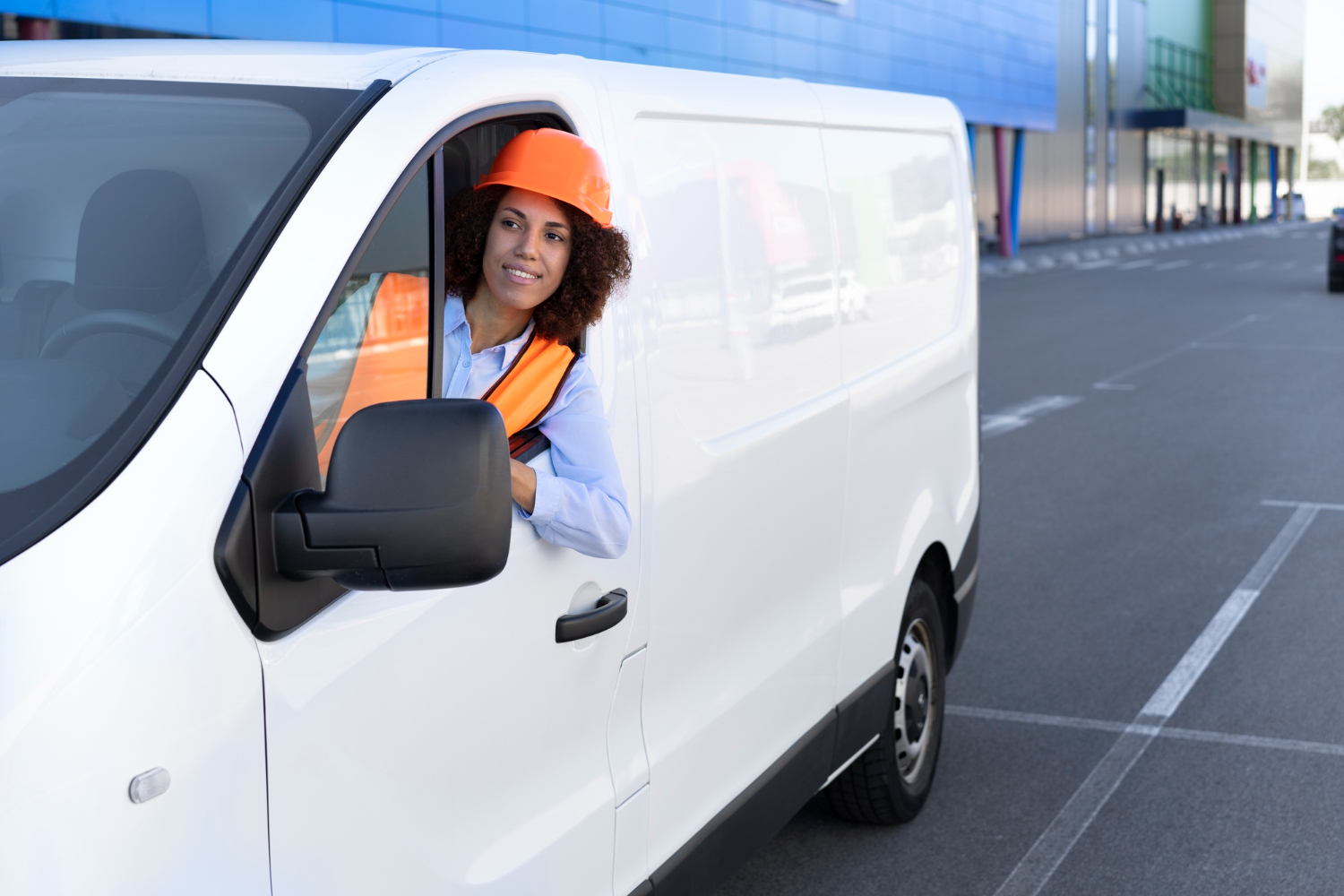
Accidents involving a personal car are stressful enough, but when a commercial van or truck is added to the mix, the legal situation transforms instantly. It is no longer just a dispute between two individuals on the road today. This shift changes the entire scope of the investigation and the parties involved.
The presence of a business entity adds layers of regulation and oversight that do not exist in a standard fender bender. Every action taken by the driver is viewed through the lens of employment law and corporate safety standards. The company’s history of training and supervision becomes a central part of the legal discovery process.
This shift in dynamic requires a specialized approach to ensure all rights are protected for the victims. Understanding the complexity of company vehicle accidents is the first step toward reaching a fair and comprehensive final settlement for your family. This ensures that the true weight of the event is fully recognized and addressed.
Table of Contents
Employer Responsibility
One of the most significant changes in these cases is the legal concept of vicarious liability, which holds an employer responsible for the actions of their staff. If the driver was working, the company is on the hook. This rule ensures that businesses take full responsibility for the people they put on the road.
This means the victim can look beyond the individual driver to the business that put them on the road in the first place. It provides a path to recovery that accounts for the corporation’s role in the event. This connection is vital for ensuring that there are enough resources to cover all medical bills.
Determining if the employee was actually “on the clock” is a technical challenge that often requires a deep look at logs. This rule ensures that companies prioritize safety training for all their drivers. It creates a higher standard of care that protects the public. Proper documentation is required to prove this employment link.
Insurance Layering
Commercial vehicles often carry much higher insurance limits than a standard passenger car because of the increased risk of damage. These policies are designed to cover catastrophic losses and high medical costs. This financial buffer is essential when a heavy truck causes significant harm on a crowded public highway or busy city street.
There are often multiple layers of coverage involved, including primary, excess, and umbrella policies that stack on top of each other. Navigating these layers requires a technical understanding of how different insurance contracts interact. It is a complex web of rules that must be unraveled to find the total amount of money available.
This complex structure provides a larger pool of resources for the recovery, but it also means more adjusters are looking for ways to deny the claim. Coordination between these different policies is a vital task. They must ensure that no coverage is left on the table. Each layer has its own set of rules.
Investigation Complexity
When a company vehicle is involved, the scope of the investigation expands to include the business’s internal records and maintenance logs. Investigators look for signs of neglected repairs or a history of unsafe driving. These details often reveal a pattern of negligence that goes far beyond a single mistake by one individual driver on the road.
Digital data from the vehicle’s onboard computer can provide a second-by-second account of speed, braking, and steering before the impact. This technical evidence is much harder for a driver to dispute than a verbal statement. It provides an objective look at the physics of the crash that is difficult for any insurance carrier to ignore.
Witness interviews often include other employees and supervisors who might have information about the driver’s habits. Every piece of data contributes to a clearer picture of the crash. This thorough approach ensures that every responsible party is held accountable for their role in the sudden and violent event. These records are often time-sensitive.
Higher Stakes Outcomes
The financial stakes in these cases are naturally higher because of the deep pockets of the corporations and their insurance carriers. This leads to more aggressive defense tactics intended to protect the company’s bottom line. They will use every resource available to minimize their liability and reduce the amount of the final and fair settlement.
Victims often face more scrutiny regarding their own actions and their medical history as the defense looks for any reason to reduce the payout. The legal battle becomes a test of endurance and detailed preparation. It is a high-pressure environment where every single document and statement is analyzed for any sign of a potential weakness.
The potential for a comprehensive settlement is much greater when a commercial entity is responsible for the harm. These cases demand a high level of expertise to reach a truly fair conclusion. The goal is to ensure the victim is fully compensated for all their bills. This includes future medical care and lost earning capacity.
Conclusion
Accidents involving commercial vehicles are a unique challenge that requires a steady hand and a clear grasp of the law. It is a transition from a simple claim to a multi-layered legal dispute. This complexity ensures that all aspects of the business’s involvement are carefully reviewed by the legal teams representing the victims today.
Recognizing the role of the employer and the complexity of their insurance is vital for any victim seeking justice. These details make the difference between a partial recovery and a complete one for your family. Understanding these rules allows you to hold the right parties responsible for the physical and financial harm you have recently suffered.
While the path is more difficult, the specialized rules are designed to hold businesses accountable for their actions. Staying informed allows you to navigate this new landscape with confidence and total peace. Taking the right steps now provides a solid foundation for your future security and your long-term health and your well-being.