



Alcohol-influenced driving usually attracts a lot of media attention, whereas driving after lack of sleep is practically unreported. It can be difficult to tell if a driver is tired or to avoid being hit by them. The National Sleep Foundation reports that drowsy driving is responsible for claiming the lives of approximately 6,400 casualties annually. The CDC reports that roughly one in 25 adults has admitted to falling asleep behind the wheel. The actual number is likely much higher for individuals who admit to driving while completely exhausted.
According to Fullerton DUI lawyer Christopher J. McCann, in cases of DUI arrest, formal chemical testing is mandatory, and it is normally performed at the closest hospital. Putting this in context, the law against drunken driving is well-structured, but drowsy driving still poses a problem since it is not easy to detect, even though its road impact can be equally harmful.
Being sleepy behind the wheel will affect you almost as badly as booze. You might go without any warning from one lane to another or miss the brake in time to avoid a collision. Driving while tired also results in accidents caused by insufficient warning, complete disregard of traffic signs, drifting off the road, cars running into oncoming traffic, etc.
Let’s discuss why drowsy driving can be just as dangerous as drunk driving.
Table of Contents
Drowsy Driving: The Science Behind Fatigue
Fatigue can affect driving ability since it slows down reaction time and affects the accuracy of one’s judgment. Sleep deprivation has grave consequences for the brain since it needs time to rest, analyze, process, and stay awake. Dismissing tiredness puts the driver and everyone else on the road at risk.
A typical scenario among many drivers is a condition characterized by a desperate need to move even when there is extreme fatigue. Drivers should remain healthy. By being alert to the signs of fatigue and stopping immediately to get some rest, nobody’s health is put at risk, and, in the process, a driving culture is developed revolving around health and connectivity.
The Impact of Sleep Deprivation on Driving Performance
Fatigue is considered trivial by many people when driving, resulting in most safety considerations associated with sleepy driving being ignored. Apart from all the myths typically associated with drinking and driving, there are those that want to lure themselves into thinking that sleep deprivation is a complete unknown deficit.
For these people, safety measures are nothing more than vague statistics, which, only through painful personal experience, tend to become vivid recalls of ugly mental images about the quality of life. Most research centering on drowsy driving shows that it would only result in negative consequences.
Reducing the attention given to scientific research aimed at preventing accidents leads to social issues regarding the distribution of net costs and benefits.
Statistics Highlighting the Dangers of Drowsy Driving
20% of fatal car accidents occur when drivers are short on sleep. You are not alone in experiencing being sleepy while driving. Well over fifty million Americans don’t get enough sleep. It is surprising how dangerous driving while drowsy is and how it can be equally compared to being drunk.
Recognizing the Signs of Drowsiness While Driving
Look for signs that imply that sleep is an easy alternative to driving out with an awareness not to drive.
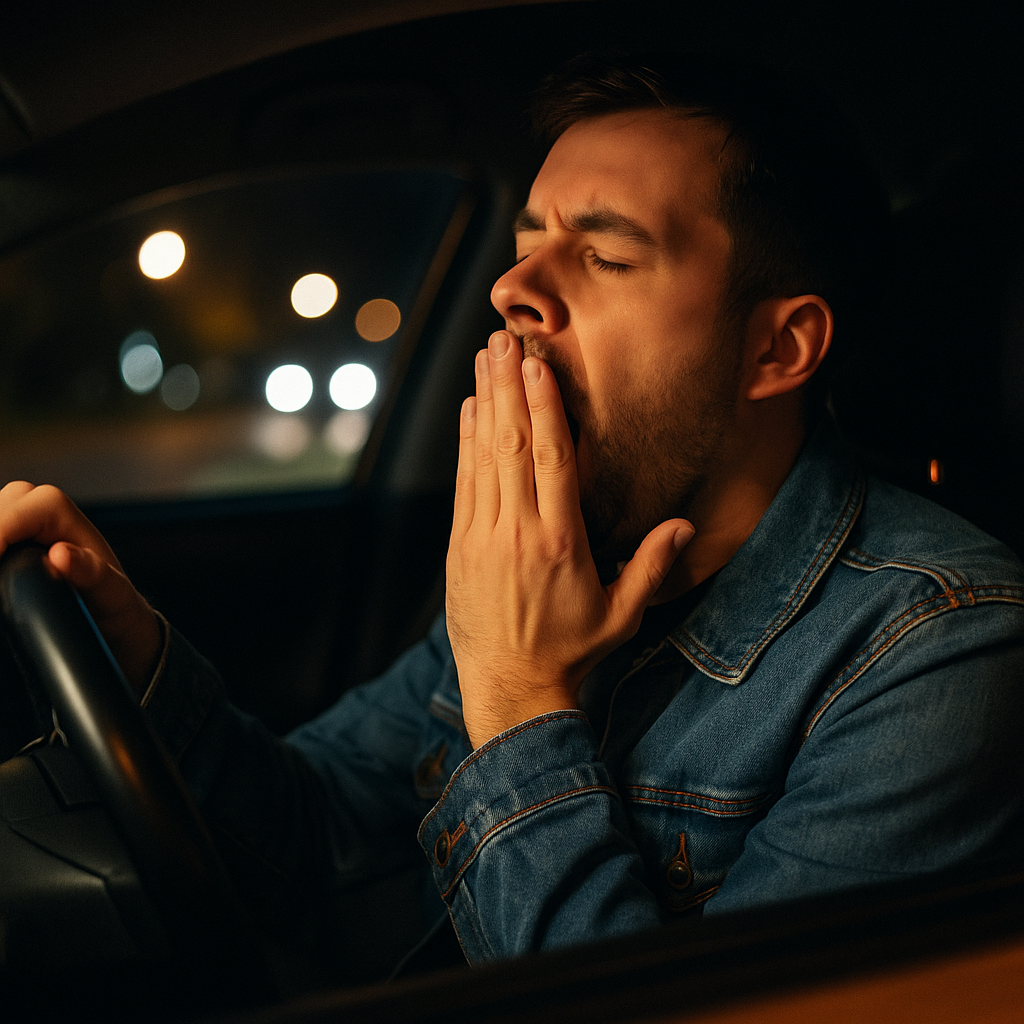
- In case you are yawning continuously, your eyes can’t stay open and your car is constantly changing lanes, then you should definitely stop and take a nap for the better.
- If you feel tired and have been unaware of the last mile or so, your reaction time may be slower than normal.
- Sometimes the body signals that it needs sleep by becoming restless or moody.
Strategies to Prevent Drowsy Driving and Stay Alert
Just being aware of feeling drowsy is a start. You need to do something to be safe. Get some sleep at least when you are boarding longer distances.
In case you’re having someone along on your journey, never give a second thought to sharing your driving duties for a bit of relaxation. You can have some water or a tiny snack to fight off your drowsiness. You can pamper yourself before a long drive so that you feel well rested.
Preventing stuffiness in your car’s environment will help energize you. So, either listen to music or a podcast when on the road to knock out the requirement for a nap. Do not plan a trip that demands a late-night drive if you think you will be sleepy. Adherence to these things becomes important when it comes to the personal protection of not only you but also all those using the road.