



The growing population of older adults has made personalized home care solutions more crucial than ever. As people age, many wish to remain in their homes, surrounded by familiar spaces and cherished memories. Personalized care at home addresses these needs, offering adjustable support that truly centers on the individual. Leading providers like LifeWorx have become trusted resources for families seeking high-quality, flexible care for aging loved ones.
Families want to support older adults in maintaining independence and dignity while ensuring their safety and comfort. With advances in home care, it is now possible to customize services for a broad range of needs, from companionship to skilled nursing. By tailoring home care to fit each unique situation, seniors experience better health and an improved quality of life. Informed care decisions are essential so that loved ones can thrive at home, regardless of their health challenges or personal preferences.
Understanding what comprehensive, personalized home care entails helps families identify the right mix of services. It also supports seniors in staying connected, engaged, and healthy within the comfort of their own homes. As the need for such solutions grows, families can turn to professional agencies for guidance and ongoing support to ensure consistent, compassionate care.
Table of Contents
Understanding Personalized Home Care
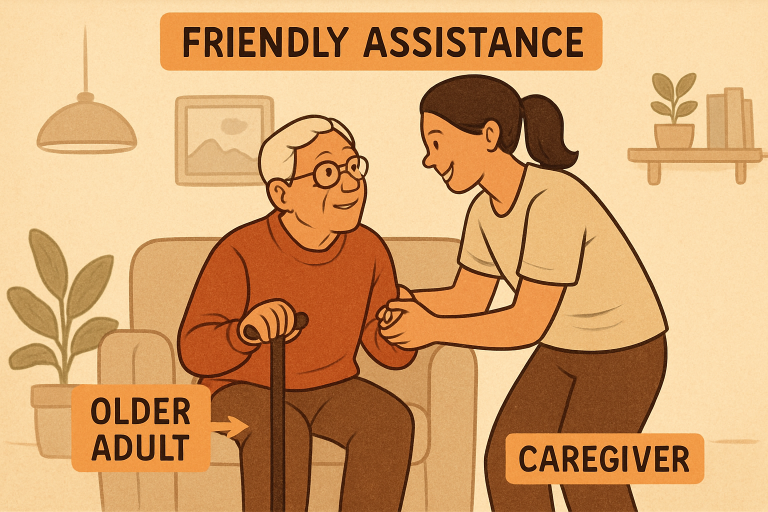
Personalized home care means creating care plans tailored to an individual’s unique medical, emotional, and social needs. This approach considers a senior’s daily routines, long-standing preferences, and evolving requirements. Trained caregivers assist with activities such as bathing, dressing, meal preparation, medication management, and household chores. Some may also provide specialized care for chronic conditions like Alzheimer’s or Parkinson’s disease.
The process began with an adequate and comprehensive assessment to determine the client’s abilities and challenges. This assessment helps care coordinators, families, and caregivers work together to develop a flexible plan. As needs change, these plans are adjusted so the senior always receives appropriate support without sacrificing autonomy or comfort.
Benefits of Aging in Place
- Familiar Environment: Remaining at home provides emotional comfort and consistent routines that help reduce stress and confusion, especially for those with memory loss.
- Independence: Seniors retain control over their daily lives. Personalized support empowers them to continue making decisions and remain active in their community.
- Cost-Effectiveness: In many cases, tailored home care is more affordable than moving to an assisted living or nursing facility. Flexible care plans ensure families pay only for the services they actually need.
There is mounting evidence that seniors who age in place with the right level of care experience improved mental health, fewer hospitalizations, and increased life satisfaction. According to a New York Times report, older adults who live at home with personalized support often feel more engaged, less isolated, and physically healthier compared to those in institutional settings.
Key Components of Effective Home Care
The foundation of effective home care lies in several essential elements:
- Comprehensive Assessment: A skilled care manager evaluates each client’s unique circumstances, lifestyle, preferences, and medical history.
- Qualified Caregivers: Caregivers must be carefully screened, experienced, and well-trained to provide compassionate care in a variety of settings.
- Regular Monitoring: Ongoing communication between families and care teams ensures that every need is met and that adjustments are made quickly as health conditions change.
- Flexible Services: From a few hours a week for companionship and housekeeping to 24-hour skilled nursing, a wide array of services should be available and easily changed over time.
Best practices in home care also include detailed documentation, consistent feedback, and periodic plan reviews. This collaborative approach involves families in decision-making, ensuring everyone is aligned on goals and expectations.
Technological Advancements in Home Care
Technology is transforming how seniors are cared for at home. Wearable medical devices, remote monitoring, and telemedicine platforms allow for real-time health updates and virtual doctor visits. For example, smart sensors placed in key areas of the home can alert caregivers to falls or unusual activity, providing rapid intervention and peace of mind for families living at a distance.
Tablets and smartphones keep seniors socially connected through video chats and messaging, minimizing feelings of isolation. Online platforms also make it easier for families to coordinate care, set reminders, and track medication schedules. According to the Forbes Tech Council, these innovations are rapidly making home care more flexible, scalable, and responsive than ever before.
Choosing the Right Home Care Provider
Finding a provider that matches the senior’s needs and personality is essential. Here are a few criteria to consider:
- Accreditation and Licensing: The agency should be fully accredited and compliant with state regulations.
- Range of Services: Look for providers that offer customized care plans, including specialized services if required.
- Reputation and Reviews: Online reviews and client testimonials can provide valuable insight into the quality of care and customer service.
- Compatibility: A strong personal connection between the caregiver and client builds trust and helps the senior feel more at ease.
When interviewing prospective providers, ask for clear information about background checks, staff training, and their process for resolving issues or adapting care plans.
Financial Considerations and Planning
It is vital to understand the costs associated with personalized home care and plan accordingly. Home care may be covered by private insurance, long-term care policies, Medicaid, or veterans’ benefits, but families often need to navigate complex options to maximize benefits. It is wise to consult with financial advisors or eldercare planners to explore programs, tax incentives, and local support services.
The CNBC Select Guide breaks down average home care costs in the United States and offers practical tips for creating a care budget that balances quality with affordability.
Supporting Family Caregivers
Many families provide direct care for aging loved ones, often alongside other responsibilities. Without adequate support, family caregivers are at risk for burnout, stress, and health issues. Accessing resources like respite care, support groups, caregiver training, and counseling can help prevent overwhelm and promote healthier caregiving relationships.
Local agencies, healthcare professionals, and national organizations such as the Family Caregiver Alliance offer guidance, education, and connections to vital community-based resources.
Conclusion
Personalized home care solutions are opening doors for aging adults to thrive independently in their own homes. By understanding each aspect of care, utilizing technology, and proactively planning for financial and emotional needs, families can make informed choices that enrich the lives of loved ones. With the right support, seniors can look forward to comfort, safety, and dignity throughout the aging process.