




Navigating the aftermath of a car accident can be overwhelming, especially when you need to file a claim to cover damages or injuries. Understanding the proper process increases your chances of a smooth, fair resolution. If you recently experienced an accident in Texas and need guidance, this step-by-step guide will walk you through everything you need to know. For those seeking extra assistance, a Houston car accident claim lawyer can provide legal support and help protect your rights during the claim process.
Texas follows an at-fault insurance system, so establishing who is responsible for the accident is critical to receiving compensation. Familiarizing yourself with the procedures can prevent missed deadlines and costly mistakes. This guide breaks down crucial actions from what to do at the scene to dealing with insurance adjusters.
Table of Contents
- 1 Steps To Take At The Scene Of The Accident
- 2 Notify Your Insurance Company And File a Police Report
- 3 Understanding Texas At-Fault Laws
- 4 Beginning The Insurance Claim Process
- 5 Collecting Documentation and Evidence
- 6 Negotiating With Insurance Companies
- 7 When To Consider Legal Assistance Or File A Lawsuit
- 8 Conclusion
Steps To Take At The Scene Of The Accident
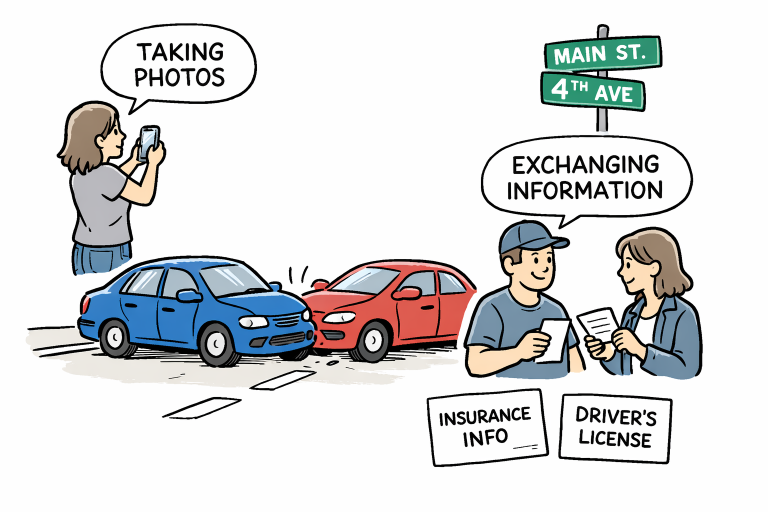
Your actions immediately following a crash set the foundation for your claim’s success. First, ensure everyone’s safety, and move vehicles only if required by law or for safety. Check for injuries and contact emergency services if needed. Gather the contact and insurance details of all drivers, note the make and model of vehicles, and collect contact information for any witnesses.
Document the scene thoroughly. Take photos of the vehicles, their positions, street signs, debris, weather conditions, and any visible damage or injuries. If you are unable to gather this information, ask someone you trust to help. Good evidence gathering now helps immensely with your insurance claim later.
Texas law also requires drivers to report accidents involving injury, death, or property damage exceeding $1,000 to the police. Failing to report an accident when required can result in fines or misdemeanor charges.
Notify Your Insurance Company And File a Police Report
Contact your insurance provider promptly to report the incident. Most insurers require notification within a certain timeframe. Provide all collected details, and never admit fault when speaking with insurance representatives. Simultaneously, file an official police report and ask for a copy for your records. Police reports are central to substantiating fault and damages during claim negotiations.
Understanding Texas At-Fault Laws
Texas uses a “modified comparative fault” rule, also called proportionate responsibility. This means each party’s degree of responsibility affects the amount they can recover. For example, if you are found 30% at fault, your settlement will be reduced by 30%. If you are more than 50% at fault, you cannot recover damages. Understanding this rule is critical in both filing your claim and presenting your case to insurance companies.
Beginning The Insurance Claim Process
After notification, your insurance provider will begin their investigation. You may need to fill out claim forms and submit your evidence. The opposing driver’s insurer may reach out as well. Always provide truthful, concise statements, but avoid volunteering extra information that could be construed against you. Insurance adjusters often try to minimize payouts, so do not agree to recorded statements without careful consideration.
Collecting Documentation and Evidence
Keep copies of all documents related to the accident. This includes the police report, your own notes and photographs, repair receipts, medical records, and bills. Track any correspondence related to adjusters, healthcare providers, or other involved parties. Texas regulations allow accident victims to recover economic (medical bills, lost income) and non-economic (pain and suffering) damages, so detailed documentation supports your claim for both.
Negotiating With Insurance Companies
Insurance companies may offer low settlements quickly after an accident. It is important to review any offer carefully. Calculate your losses, including future expenses if your injuries require ongoing care. You are entitled to negotiate, provide additional documentation, and seek a higher settlement based on evidence. If negotiations stall, consider alternative dispute resolution, such as mediation, as the next step. You can read more about claim negotiation tactics on Nolo’s car accident claims page.
When To Consider Legal Assistance Or File A Lawsuit
If the settlement process becomes complex or if fault is disputed, consult with an attorney experienced in Texas car accident law. Legal professionals can negotiate directly with insurers, help gather persuasive evidence, and file suit if necessary. In Texas, generally, you have 2 years from the accident date to file a personal injury lawsuit. Missing the deadline can forfeit your opportunity to seek compensation in court. In situations involving serious injuries, fatalities, or unclear liability, legal advice is especially crucial.
Conclusion
The claims process in Texas is often complex, but understanding each step, securing evidence, reporting promptly, and being familiar with state laws maximizes your odds of a successful outcome. If you encounter disputes or need guidance beyond what this guide covers, do not hesitate to seek professional legal help. By staying organized and persistent, you can protect your rights and secure the compensation you deserve after a car accident in Texas.