




Table of Contents
The Mouth-Body Connection
Many people overlook the direct relationship between oral health and overall well-being. The state of your mouth often provides early clues about your general health, acting as both a gateway and a warning system. For every dental check-up, you not only ensure healthier gums and teeth but also take an important step in preventing issues that can spread far beyond your mouth. People seeking integrative care often turn to a holistic dentist for guidance, as these professionals emphasize the connection between oral and overall health.
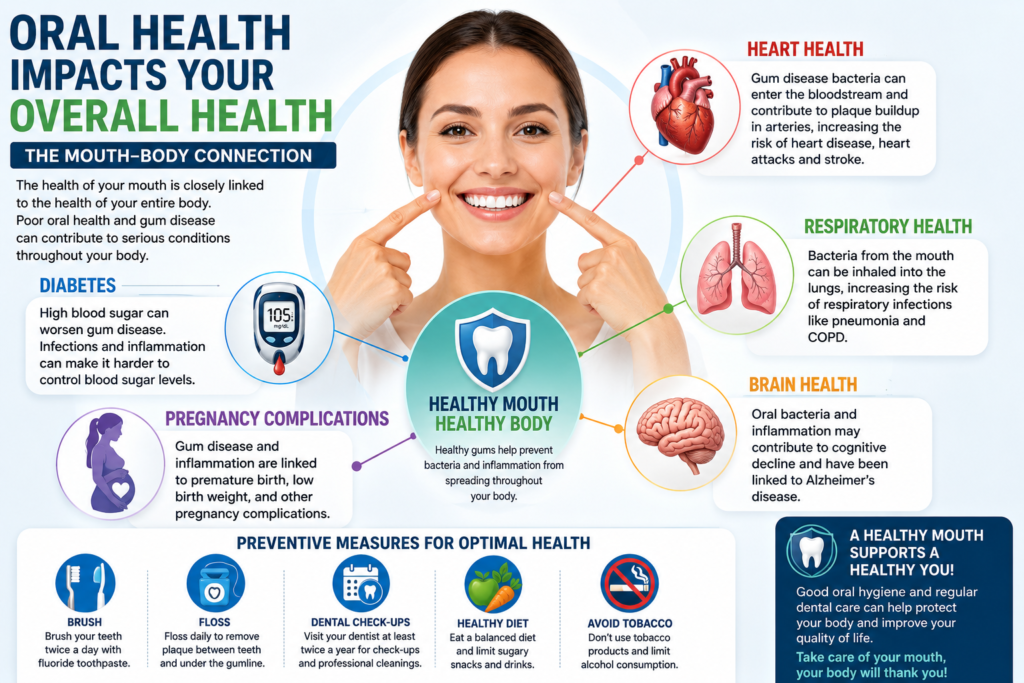
Researchers have found that gum inflammation can create a pathway for harmful bacteria to enter the bloodstream. When bacteria from untreated gum disease travel through the body, they can contribute to increased inflammation elsewhere, triggering additional medical problems. Good oral health, therefore, does more than give you a bright smile; it can also act as a shield against wider systemic problems.
Cardiovascular Complications
The relationship between gum disease and heart disease has been explored in many recent studies. Harmful microbes from inflamed or infected gums can enter the bloodstream and contribute to the buildup of plaque in arteries. This process can raise the risk for heart attacks, strokes, and other cardiac events. Even mild gum disease can increase your risk of cardiovascular disease when left unchecked.
While routine brushing and flossing greatly reduce the risk of gum disease, regular dental check-ups are critical for detecting signs of infections that could pose a risk to your heart health.
Diabetes and Oral Health
There is a well-established, two-way relationship between diabetes and gum disease. High blood sugar levels associated with diabetes can allow bacteria to thrive, often worsening gum infections. Reciprocally, severe oral infection can make it harder to manage blood sugar effectively, creating a frustrating cycle that can worsen both conditions.
People with diabetes should be especially vigilant about oral care. Professional cleanings and at-home oral hygiene can minimize risks for both gum disease and poor blood sugar control, and ongoing collaboration between your dentist and your physician can yield the best results.
Respiratory Risks
Bacteria thriving in infected gums and on tooth surfaces do not necessarily remain confined to the mouth. Frequently, these bacteria can be inhaled, traveling down into the lungs where they set the stage for respiratory infections such as pneumonia or chronic obstructive pulmonary disease. This is particularly notable for elderly individuals or those with pre-existing respiratory conditions, who are more susceptible to these complications.
Good oral hygiene and routine dental visits are proven ways to reduce the bacterial load in your mouth and lower the risk of serious respiratory conditions. Simply put, maintaining clean teeth can play a significant role in supporting long-term lung health, especially in vulnerable groups.
Pregnancy Complications
Oral health becomes even more important during pregnancy. Research has linked advanced gum disease (periodontitis) to premature birth, low birth weight, and other pregnancy complications. Inflammation in the gums can cause the body to release substances that may induce labor too early or contribute to developmental issues for the baby.
Expectant mothers are advised to prioritize dental care throughout pregnancy, including regular dentist visits and consistent at-home routines. By maintaining a healthy mouth, pregnant women can take a crucial step toward protecting both their own health and their baby’s. Leading organizations, such as the Centers for Disease Control and Prevention, provide additional guidance on this topic.
Alzheimer’s Disease and Cognitive Decline
The emerging connection between gum disease and cognitive illnesses, including Alzheimer’s disease, is an area of active scientific investigation. Certain bacteria commonly found in oral infections have been detected in the brains of individuals with Alzheimer’s. These microbes may contribute to inflammation and the development of neurological conditions.
Early intervention and routine oral hygiene practices may not only protect your mouth but also help preserve cognitive function as you age. While much research remains, the ties between oral and brain health strengthen the argument for regular brushing, flossing, and professional cleanings throughout life. For more information, the British Dental Journal discusses recent findings on this topic.
Preventive Measures for Optimal Health
- Brush your teeth at least twice a day using a fluoride toothpaste.
- Floss thoroughly each day to remove plaque between teeth and under the gumline.
- Schedule dental check-ups and professional cleanings at least twice yearly.
- Adopt a nutrient-rich, balanced diet and minimize sugary snacks.
- Do not use tobacco products and limit alcohol consumption.
Final Thoughts
Oral health is deeply linked to the health of your entire body. Beyond a bright smile and fresh breath, a healthy mouth supports the heart, lungs, brain, and much more. By emphasizing effective oral hygiene and integrating care across both dental and medical disciplines, you can reduce the risk of serious systemic conditions and ensure a healthier future.