




For small businesses seeking ways to maximize efficiency and stretch limited resources, modern technology solutions make a significant impact. Among these solutions, Employee Self-Service (ESS) portals have emerged as a strategic advantage. By digitizing routine HR and payroll tasks, these tools enable employees to take control of their work information, resulting in streamlined processes and increased engagement. With the right small business payroll and HR tools, organizations can save time, reduce costs, and cultivate a more productive work environment for everyone involved. ESS portals serve as digital gateways, enabling staff to update their personal data, access documents, review pay stubs, and manage benefits, all without needing HR assistance. This not only increases operational efficiency but also creates a transparent and satisfying workplace experience. Whether your team is on-site, remote, or a mix of both, these platforms play a crucial role in supporting modern work dynamics and meeting the evolving expectations of employees.
Table of Contents
Enhancing Efficiency and Time Management
ESS portals automate everyday HR functions, including timesheet entries, vacation requests, and payroll data access. Instead of relying on HR professionals to handle every administrative task manually, employees and managers can complete or oversee these tasks themselves. This reduction in bottlenecks translates into faster turnaround times for approvals, fewer payroll delays, and more time for leaders to focus on strategic initiatives. Ultimately, less manual paperwork means more productivity for teams striving to meet their goals. Automating these processes is not just a matter of convenience—it can drive real business results. According to a recent analysis by Forbes, companies deploying self-service HR functions report substantial reductions in task completion times and improvements in overall employee satisfaction.
Improving Data Accuracy and Transparency
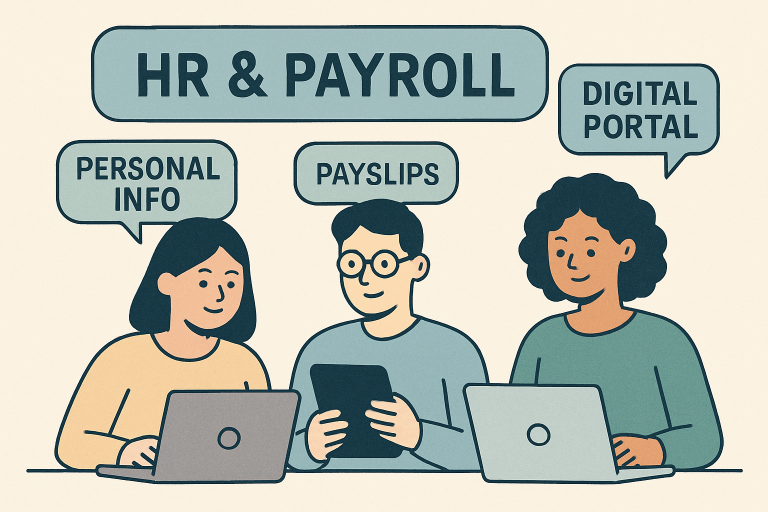
Manual data entry is notorious for errors, especially when HR teams are overwhelmed. ESS portals mitigate these risks by granting employees direct access to their profiles. Workers can update addresses, emergency contacts, tax withholding choices, and benefit selections themselves. When changes occur—such as a new family member or a change in banking information—employees can manage updates instantly, rather than submitting forms and relying on flawless data entry. This self-driven transparency not only reduces the chance for mistakes but also helps foster trust between workers and the organization, as staff can see exactly what information is on file at any time. The switch from paper to digital records supports compliance and ensures updated data is just a click away.
Boosting Employee Engagement and Satisfaction
Allowing employees to take charge of HR tasks can have a positive impact on morale. When people have control over requests such as PTO, schedule preferences, or access to pay documentation, they feel valued and respected. This autonomy in simple matters leads to greater engagement and can significantly reduce turnover. Employees want to work for organizations that respect their time and offer straightforward solutions, especially when juggling professional and personal obligations.
This positive impact is well-documented; streamlined self-service options are critical for improving the employee experience, making HR less of a bureaucratic hurdle and more of a supportive resource.
Cost Savings and Reduced Administrative Burden
Many small businesses run lean HR teams, often with HR responsibilities handled by management or shared among office staff. Reducing repetitive tasks allows HR professionals to focus on recruitment, culture-building, and compliance, rather than paperwork. Additionally, transitioning to digital portals can significantly reduce paper, printing, and storage expenses. Over time, these changes accumulate—enabling small businesses to allocate savings toward growth opportunities or additional employee benefits.
Facilitating Flexible and Remote Work
Today’s workforce increasingly expects flexible schedules and remote work options. ESS portals offer round-the-clock accessibility from any device, enabling staff to manage HR tasks at their convenience, regardless of their location. This supports a healthy work-life balance and supports the evolving demands of the modern workforce. Especially for businesses with distributed teams or employees who may work odd hours, ESS portals ensure consistency and fairness by making HR support available whenever and wherever it’s needed. This adaptability is crucial for small businesses aiming to attract and retain top talent in a competitive market.
Enhancing Compliance and Security
Staying compliant with ever-changing HR regulations is a challenge for small business owners. ESS portals enable businesses to access centralized documentation, policy updates, and electronic consent tracking. These platforms often offer robust security, including granular access rights and audit trails, which help ensure that sensitive employee data remains protected from unauthorized access. As cyber threats and privacy laws continue to evolve rapidly, small businesses must prioritize data security and compliance. A reliable ESS portal can help organizations remain up-to-date and reduce exposure to costly fines or data breaches.
Real-World Success Stories
Small businesses nationwide are seeing significant gains by embracing ESS solutions. For instance, a Texas-based restaurant group improved scheduling and reduced call-outs by 35% just three months after launching their portal. Employees could swap shifts, request time off, and check their schedules on their phones, which reduced confusion and increased team morale. Another example from a growing tech firm showed that automating benefits enrollment and personal data updates cut HR’s workload by 25%, freeing up more resources for recruiting and staff training.
Conclusion
Deploying an Employee Self-Service portal empowers employees with powerful tools, making HR functions faster, more straightforward, and more transparent for small businesses. These changes lead to a workplace where team members are empowered, costs are reduced, and compliance is easier to manage. In a business world where agility and efficiency are at a premium, ESS platforms provide a clear path forward for small businesses seeking to thrive in the digital age.