



Reliable fastening systems form the backbone of safe, durable construction. Whether crews are framing structures, installing panels, or assembling heavy mechanical components, the quality of every connection influences performance and longevity. Securing pins play a unique role among fastening solutions because they are designed to withstand repeated stress, vibration, and shifting loads. Their longevity is the difference between structural reliability and costly callback work. Understanding why long-lasting securing pins matter helps builders choose fastening systems with the strength, stability, and integrity required for demanding job sites.
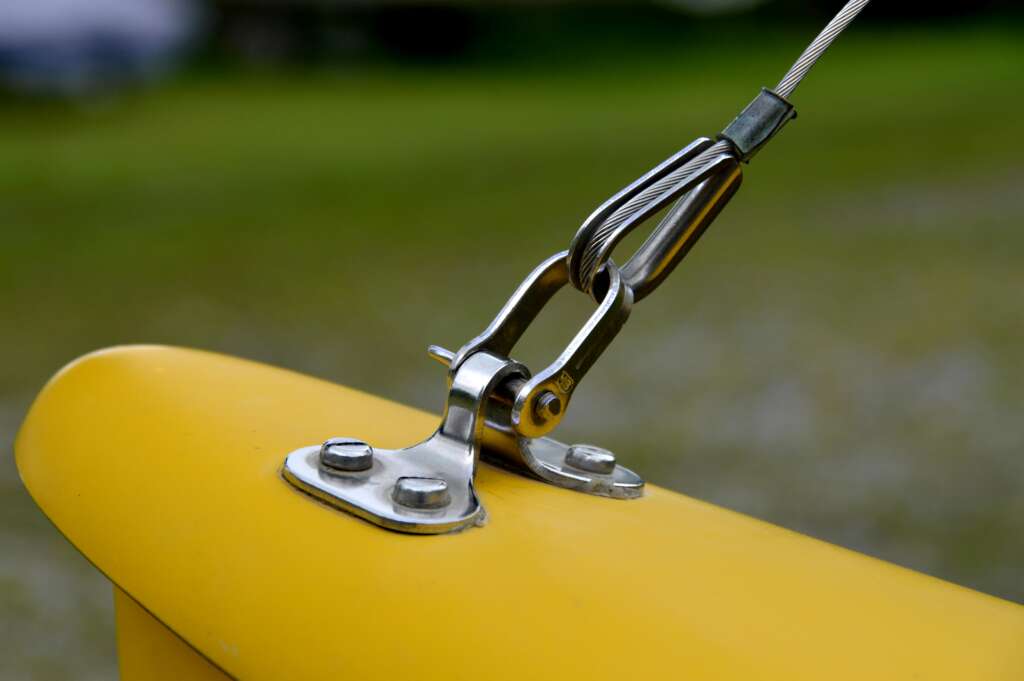
Table of Contents
The Role of Securing Pins in Load Transfer
Securing pins act as transfer points between two or more connected parts, carrying forces that would otherwise cause movement or misalignment. A construction project rarely involves static conditions. Loads shift with wind pressure, human activity, temperature variations, and machine operation.
Pins that lack long-term holding power can loosen, causing components to rattle, deform, or detach. Long-lasting pins stay locked in place despite continuous pressure cycles. Their dependable performance gives builders confidence that joints will behave as intended, preventing structural drift and the gradual formation of gaps.
This is particularly important in fast-paced environments where crews must trust every connection they make without returning repeatedly to re-tighten parts.
Material Strength and Corrosion Resistance
The quality of materials used for securing pins directly affects their lifespan. Construction environments introduce moisture, dust, concrete residue, and harsh temperature swings that degrade low-grade metals.
A pin that corrodes or weakens sooner than expected becomes a vulnerability point. Long-lasting securing pins are typically made from stainless steel, high-grade aluminium, or treated alloys designed to resist oxidation and mechanical fatigue.
Their resilience helps maintain clamping force even when surrounding materials expand, contract, or shift. Many builders turn to fastening types engineered for consistent durability, such as blind rivets for long-lasting hold, because they combine material strength with dependable installation outcomes. This level of durability gives construction teams confidence that connections will continue performing dependably throughout demanding project conditions.
Securing Pins and Vibration Resistance
Construction environments often involve constant motion. Power tools, heavy machinery, HVAC equipment, and foot traffic generate vibration that can compromise a weak pin. Vibrations tend to encourage hardware to rotate, creep outward, or lose grip.
Long-lasting pins are engineered with shapes, coatings, or locking mechanisms that counteract vibrational forces. Their geometry keeps them set firmly even during continuous shaking, reducing the risk of loosening or sudden failure.
This level of reliability is crucial for mechanical housings, guard rails, lifting systems, and machinery mounts. A pin that remains secure during vibration prevents unexpected downtime and enhances site safety.
Maintaining Structural Alignment
Securing pins helps maintain precise alignment between structural or mechanical components. Misalignment produces stress concentrations that can lead to cracking, buckling, or poor load distribution.
Long-lasting pins preserve alignment through changing site conditions, preventing parts from drifting out of position. Within framing systems, scaffolding, and support bracing, this reliability prevents uneven settling and wobble.
Contractors value long-lasting pins because they reduce the need for re-adjustments after initial installation. Their advantages become clear when looking at the way they support consistent positioning:
- Keeps framing square and true
- Reduces stress on attachment points
- Minimizes unwanted movement during load shifts
- Supports uniform distribution of forces
- Prevents the need for repeated realignments
Safety Advantages of Long-Lasting Pins
Safety sits at the heart of every construction decision, and fastening security is a critical part of that equation. A failing pin can release panels, supports, or mechanical systems without warning.
Long-lasting securing pins maintain strength even through heavy use and environmental exposure, lowering the risk of sudden detachment. Workers benefit from stable equipment, secure platforms, and reliable structural joints.
When pins are designed for longevity, site supervisors spend less time worrying about whether small hardware pieces could lead to large safety incidents. This contributes to a smoother workflow and confidence across the crew.
Reducing Long-Term Maintenance and Costs
The financial impact of fastening reliability is often underestimated. Short-lived pins require repairs, replacements, and ongoing inspections. Maintenance crews must schedule frequent checks to ensure no pins are loosening or deteriorating.
Long-lasting securing pins reduce these operational burdens. Their durability means fewer labor hours dedicated to revisiting completed work. When used in permanent installations, their longevity directly translates into reduced total lifecycle cost.
Contractors and facility managers appreciate this long-term value because it supports predictable budgets and fewer operational disruptions caused by fastening issues.
Adapting to Modern Construction Demands
Modern building projects demand fast installation, high accuracy, and strong performance under diverse conditions. Long-lasting securing pins match these demands by delivering consistency during both installation and long-term use.
They integrate well with lightweight building materials, advanced modular components, and energy-efficient structural systems. Their reliability helps architects and builders push boundaries without sacrificing stability.
Construction teams gain the flexibility to assemble complex designs knowing that fastening points will remain dependable long after the project is complete.
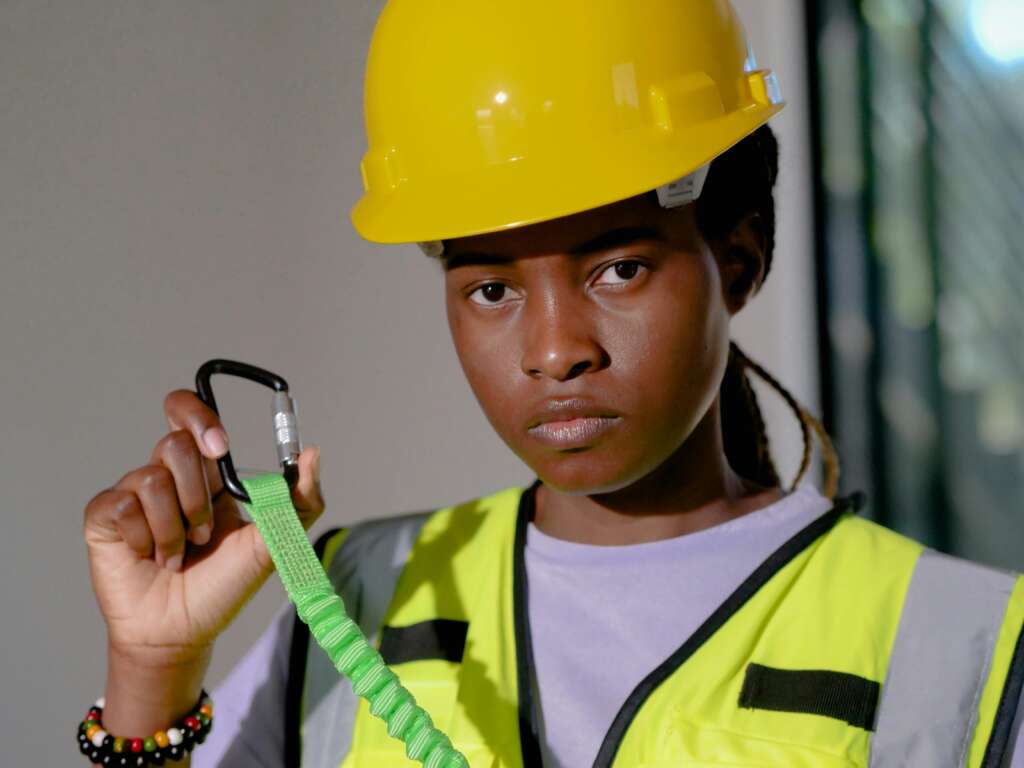
Long-lasting securing pins play a quiet but powerful role in ensuring the reliability, safety, and longevity of construction projects. By maintaining alignment, resisting vibration, and supporting heavy loads, they provide the dependable security that builders and engineers rely on each day. Investing in quality securing pins helps achieve structurally sound results that remain stable throughout the life of the build.