




Dental bone grafting is a well-established procedure that effectively restores jawbone integrity, facilitating successful tooth restoration and implant placement. This guide explores the efficacy of dental bone graft, supported by clinical evidence and expert insights.
Table of Contents
- 1 What Is Dental Bone Grafting?
- 2 How Effective Is Dental Bone Grafting?
- 3 What Are the Different Types of Bone Graft Materials?
- 4 What Factors Influence the Success of Bone Grafting?
- 5 What Is the Recovery Process Like After a Bone Graft?
- 6 Are There Risks Associated with Dental Bone Grafting?
- 7 Frequently Asked Questions
- 8 Conclusion
What Is Dental Bone Grafting?
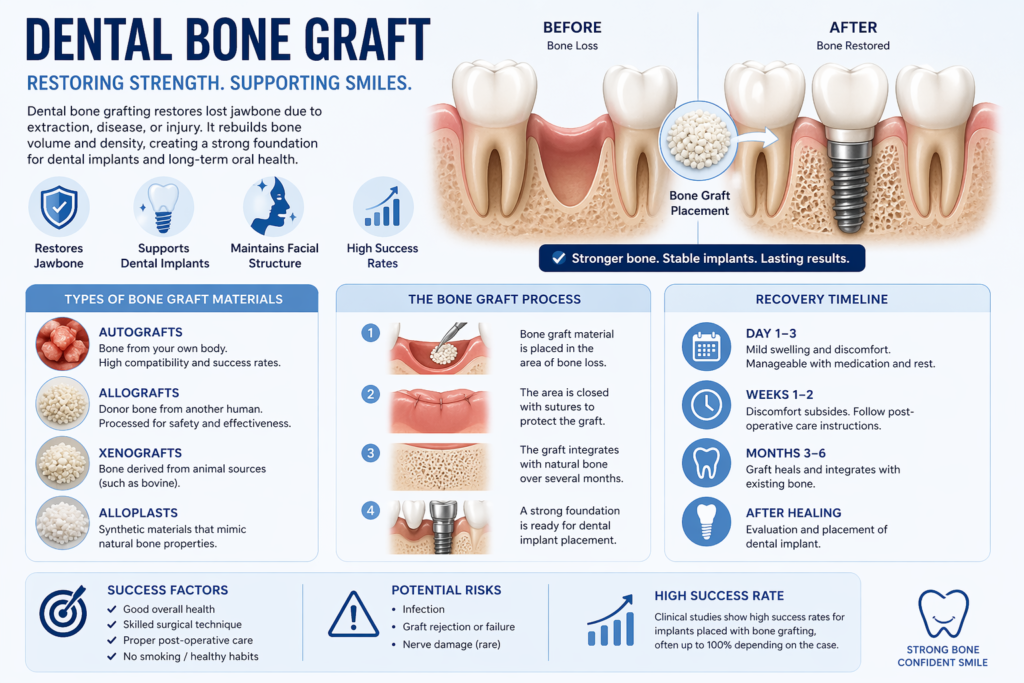
Dental bone grafting involves transplanting bone tissue to areas of the jaw that have experienced bone loss, often due to tooth extraction, periodontal disease, trauma, or long-term tooth absence. This procedure stimulates new bone growth, restoring volume and density and creating a stable, secure foundation for dental implants or other restorative treatments. By rebuilding the jaw structure, bone grafting not only improves implant success rates but also helps maintain facial shape and prevent further bone deterioration.
OneSolution® Dental Implant Centers, a leading provider in this field, offers comprehensive services for those considering a dental bone graft. Their team of highly specialized professionals uses advanced imaging, precise surgical techniques, and high-quality graft materials to deliver predictable, successful outcomes. Patients benefit from personalized treatment plans tailored to their unique oral health needs and goals. With a strong focus on patient comfort, safety, and long-term results, their services are available in Plantation, Florida, and surrounding areas, making expert care accessible and reliable.
How Effective Is Dental Bone Grafting?
Clinical evidence supports the effectiveness of dental bone grafting. A study published in the Journal of Functional Biomaterials analyzed over 158,000 implants, including 45,715 with bone grafts, and found high success rates for implants placed with simultaneous bone augmentation.
What Are the Different Types of Bone Graft Materials?
Several bone graft materials are utilized in dental procedures:
- Autografts: Bone harvested from the patient’s own body, offering high compatibility and success rates.
- Allografts: Donor bone from another human, processed to ensure safety and effectiveness.
- Xenografts: Bone derived from animal sources, such as bovine, which has shown promising results in alveolar ridge preservation.
- Alloplasts: Synthetic materials designed to mimic natural bone properties.
What Factors Influence the Success of Bone Grafting?
Several factors affect the success of dental bone grafts:
- Patient Health: Conditions like diabetes or smoking can impede healing.
- Surgical Technique: Precision in the grafting procedure is crucial for optimal outcomes.
- Post-Operative Care: Adherence to care instructions significantly impacts healing and graft integration.
What Is the Recovery Process Like After a Bone Graft?
Recovery varies among individuals but generally involves:
- Initial swelling and discomfort are manageable with prescribed medications.
- A healing period of several months for the graft to integrate with existing bone.
- Regular follow-up appointments to monitor progress and plan subsequent procedures, such as implant placement.
Are There Risks Associated with Dental Bone Grafting?
While generally safe, potential risks include:
- Infection at the graft site.
- Graft rejection or failure.
- Nerve damage leading to temporary or permanent numbness.
Choosing a qualified dental professional and following post-operative guidelines can minimize these risks.
Frequently Asked Questions
Is Dental Bone Grafting Painful?
Patients typically experience minimal discomfort during the procedure, as local anesthesia is used. Post-operative pain is usually manageable with over-the-counter or prescribed pain relievers.
How Long Does the Bone Grafting Procedure Take?
The duration depends on the complexity of the case, but generally ranges from 45 minutes to an hour.
When Can I Receive a Dental Implant After a Bone Graft?
Implant placement is usually considered once the graft has fully integrated, which can take several months. Your dentist will assess healing progress to determine the appropriate timing.
Are Bone Grafts Always Necessary for Dental Implants?
Not always. If sufficient bone is present, a graft may not be needed. However, in cases of significant bone loss, grafting is often essential to provide a stable foundation for the implant.
What Is the Success Rate of Dental Bone Grafts?
Success rates are high, with studies indicating success rates up to 100%, depending on the type of graft and patient factors.
In summary, dental bone grafting is a well-established and effective procedure for restoring jawbone integrity, essential for successful tooth restoration and implant placement. Consulting with a dental professional can provide personalized insights and treatment plans tailored to individual needs.
Conclusion
Dental bone grafting remains a highly effective and trusted solution for restoring lost jawbone and preparing patients for successful dental implant placement. Backed by strong clinical evidence and high success rates, this procedure offers a reliable pathway to improved oral function and long-term stability. With multiple grafting options available, treatment can be tailored to meet each patient’s unique needs and health conditions. However, optimal results depend on a combination of skilled surgical care, good overall health, and strict adherence to post-operative guidelines. By working closely with an experienced dental professional and maintaining proper aftercare, patients can significantly improve healing outcomes and ensure the long-term success of both the graft and future restorations.