




Mulch is an essential component in landscaping that provides both practical and aesthetic value. In recent years, colored mulch has become a favored option for gardeners and landscape designers seeking to add vibrant color and texture to outdoor spaces. Among the most popular choices, red mulch offers a bold visual impact that can transform the appearance of both residential and commercial gardens while supporting plant health.
Colored mulch not only sharpens your garden’s visual appeal but also delivers important functional benefits. It is available in several shades, including red, black, and brown, each enhancing different aspects of your landscape design. With proper selection and use, colored mulch can help control weeds, retain soil moisture, and maintain stable soil temperatures. These qualities make it an indispensable solution for sustainable and beautiful landscape management.
As you plan your garden enhancement, evaluating your specific needs and understanding the properties of colored mulch can lead to healthier, more vibrant plant growth. This includes attention to source materials, dye composition, and soil health. In this article, we will explore the merits of colored mulch, considerations for its use, and expert application tips that help you achieve lasting results in your landscaping projects.
Additionally, making informed decisions about mulch products can help create a safe and environmentally friendly environment for your home, pets, and local ecosystem. Use this guide to navigate your options and discover the best practices for choosing and maintaining colored mulch in your garden.
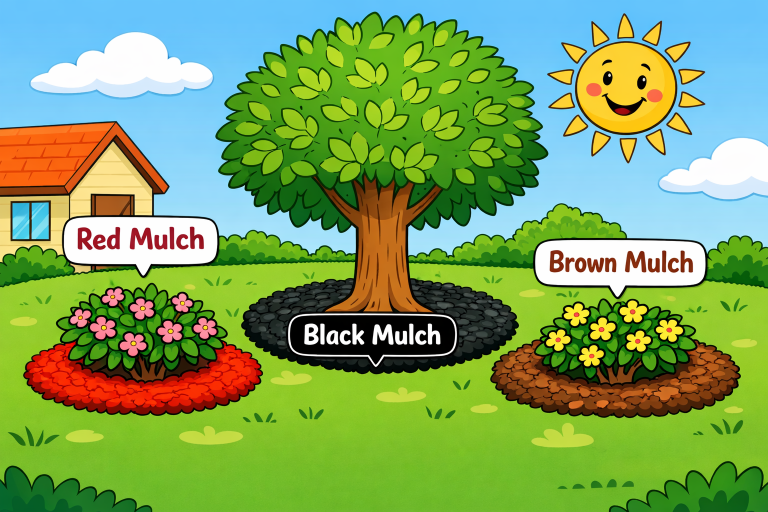
Table of Contents
Benefits of Colored Mulch
Colored mulch offers various benefits for enhancing landscape health and aesthetics. Firstly, it improves visual appeal by coming in multiple colors, such as red, black, and brown, which can complement plants and architectural features. Secondly, it suppresses weeds by blocking sunlight, reducing the need for chemical herbicides. Additionally, mulch retains moisture by slowing evaporation, which is crucial for plant health during dry periods. Lastly, it helps regulate soil temperature, providing insulation against extreme heat and cold for plant roots.
Considerations Before Using Colored Mulch
Colored mulch offers impressive benefits, but several factors warrant careful consideration before making your choice:
- Source Material: Ensure the mulch is manufactured from untreated wood, such as forest byproducts or clean pallet wood. Mulches made from construction debris or chemically treated wood can introduce toxins into your garden soil.
- Dye Composition: Select colored mulches dyed with non-toxic, water-based pigments that have been tested for safety for humans, pets, and plants. Avoid unknown or unverified mulch sources.
- Soil Health: Some colored mulches decompose more slowly than natural mulches. Slow decomposition may reduce the amount of organic matter entering the soil, potentially impacting soil structure and fertility over time.
Choosing the Right Colored Mulch
Deciding which colored mulch is suitable for your landscape requires a balance of visual and practical considerations, including the types of plants in your garden and your overall design goals:
- Color Selection: Consider the colors and architectural style of your home as well as the types of plants in your garden. Black mulch makes bright blooms stand out and looks elegant in modern landscapes, while red mulch brings warmth and a Southwestern flair to garden beds.
- Material Quality: Opt for mulch with a reputation for high durability and colorfastness. This ensures your landscape will remain vibrant and weed-free with less frequent refreshing.
Application Tips for Colored Mulch
For optimal performance, apply colored mulch correctly:
- Prepare the Area: Remove all weeds and organic debris from the soil surface, ensuring nothing interrupts the effectiveness of the mulch layer.
- Apply evenly: Lay the mulch 2 to 3 inches thick, spreading it evenly around trees, shrubs, and flower beds. Keep the mulch several inches away from the trunks and stems to prevent rot or pest infestations.
- Water After Application: Lightly water the mulch to help it settle and bind together, minimizing movement from wind or rain.
Maintenance and Longevity
Proper maintenance of colored mulch is essential for an attractive landscape year-round. This includes regularly inspecting mulch beds for decomposition, fading, or compaction every few months, and replenishing or fluffing the mulch to maintain the appropriate depth and appearance. Additionally, it is important to avoid over-mulching, as excessive layers can suffocate plant roots, impede moisture retention, and increase the risk of fungal diseases.
Environmental Impact
Sustainable landscaping practices, particularly in the use of colored mulch, emphasize the importance of eco-friendly solutions. Gardeners and professionals are encouraged to select products that utilize natural, non-toxic dyes to minimize the leaching of harmful substances into the environment. Additionally, sourcing mulch from companies that adhere to sustainable forestry and responsible sourcing practices is crucial. Certification programs, such as the Forest Stewardship Council, can verify a product’s sustainability, ensuring that landscaping choices support ecological well-being.
Alternatives to Colored Mulch
If colored mulch does not meet the landscaping requirements, alternatives include natural mulch, such as bark mulch, pine straw, or wood chips, which offer both aesthetic and functional benefits without artificial colorants, making them ideal for traditional gardens. Additionally, stone or gravel serves as a more permanent solution, offering effective weed suppression, low maintenance, and an attractive decorative element.
Conclusion
Colored mulch is an effective tool for landscaping enhancement, providing a harmonious blend of aesthetic and protective benefits. By making informed choices regarding color, material quality, and eco-friendly practices, you ensure your garden remains visually appealing and environmentally responsible. Whether you are creating a new design or refreshing an existing landscape, proper application and ongoing care of colored mulch will yield a healthy, beautiful outdoor space that thrives season after season.