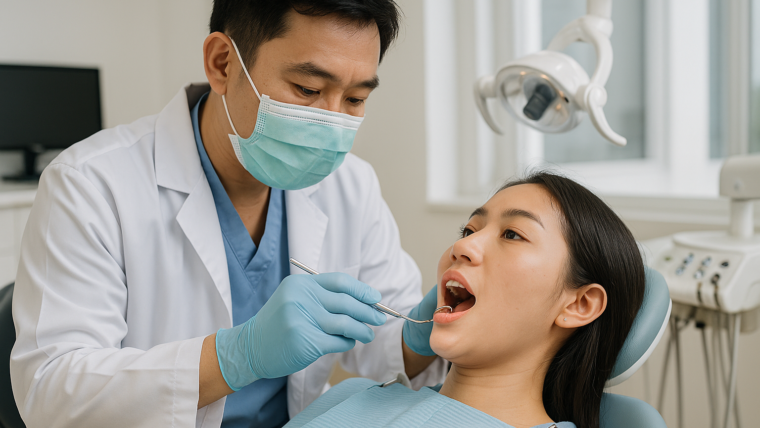




Maintaining optimal oral health throughout a lifetime begins with simple daily routines. The health of your teeth and gums years from now will largely depend on the choices you make today. By paying attention to habits like brushing, flossing, and diet, you can avoid common issues such as cavities, gum disease, or even loose teeth, and instead preserve a resilient, healthy smile well into the future.
Neglecting dental care may not show immediate consequences, yet over time, its effects become apparent through dental pain, gum recession, and even tooth loss. To maintain strong teeth and avoid preventable problems, it is essential to establish and maintain effective daily dental habits. Understanding these routines and their impact lays the foundation for long-lasting oral well-being.
Table of Contents
Importance of Regular Brushing and Flossing
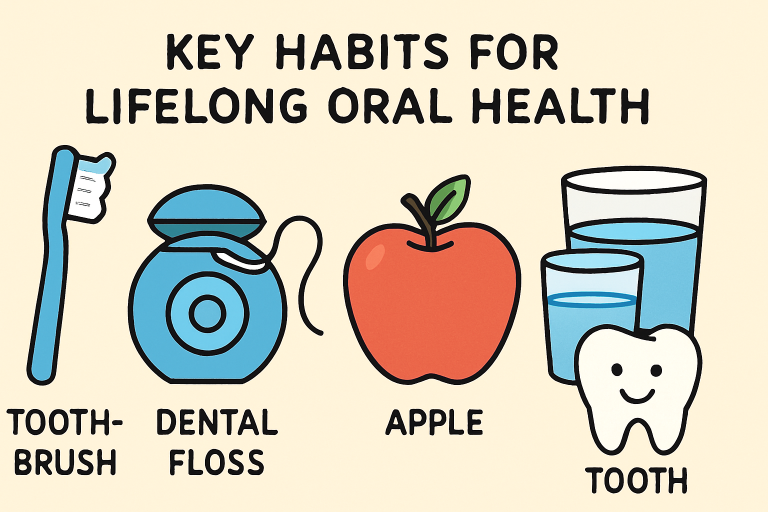
Regular brushing and flossing form the backbone of a healthy oral care routine. Brushing twice a day with fluoride toothpaste removes plaque, the clear film of bacteria that adheres to tooth surfaces. When left unchecked, this plaque leads to tooth decay and gum disease. Using a toothbrush with soft bristles minimizes enamel wear and protects sensitive gum tissue, while daily flossing enables you to clean in between teeth–areas a brush often misses, reducing the risk of interdental cavities and gingivitis.
These daily practices are especially vital as they disrupt the cycle that allows bacteria to thrive. Over time, plaque hardens into tartar, which cannot be removed by brushing alone and requires professional intervention. By staying consistent with brushing and flossing, you minimize plaque and tartar buildup, laying the groundwork for a healthy mouth.
Impact of Diet on Oral Health
The foods and drinks you choose can harm or help your oral health. Diets high in sugar and acids create an environment where harmful bacteria flourish. Sugary snacks and acidic beverages such as soda can soften and erode enamel, leading to increased cavities and tooth sensitivity. Additionally, frequent snacking prolongs the exposure time of teeth to damaging acid attacks, compounding the risk.
A nutrient-rich diet that includes plenty of fruits, leafy greens, lean proteins, and low-fat dairy fortifies oral tissues and supports remineralization of tooth enamel. Calcium-rich foods strengthen bones and teeth, while vitamins A and C improve gum health and support the body’s healing processes. By making mindful dietary choices, you equip your mouth to resist decay and disease. According to the American Dental Association (ADA), incorporating a balanced diet is a key preventive step in lifelong oral care.
Role of Hydration in Maintaining Oral Health
Hydration is an often-overlooked factor in maintaining good oral health. Water acts as a natural cleanser, washing away lingering food particles and diluting acids produced by bacteria. This simple act helps reduce the risk of both cavities and gum disease. Moreover, water encourages saliva production, which is critical for neutralizing acidity and delivering minerals that help repair tooth surfaces.
Choosing water over sugar-laden drinks like sports beverages, soda, or sweetened teas prevents unnecessary acid exposure to your teeth and preserves enamel. Ample hydration also fights dry mouth, a condition that increases the risk of tooth decay and bad breath. It is particularly important for those who take medications that can cause dry mouth as a side effect.
Effects of Tobacco and Alcohol Use
Both tobacco and alcohol consumption have far-reaching effects on oral health. Tobacco, whether smoked or chewed, stains teeth, triggers bad breath, and significantly increases the danger of developing gum disease and oral cancers. Over time, it reduces your body’s ability to fight infection, leading to delayed healing after dental procedures and an increased risk of tooth loss.
Alcohol, especially when used in excess, has a drying effect on the mouth and decreases protective saliva. This leads to a higher incidence of decay and oral infection. Coupled with tobacco use, the risks to oral health are multiplied. For those concerned about maintaining healthy teeth and gums, eliminating or limiting these substances can dramatically improve long-term outcomes.
Significance of Regular Dental Check-ups
No matter how robust your daily habits are, regular visits to the dentist are fundamental for comprehensive oral care. Dentists are trained to detect the early warning signs of cavities, gum disease, oral cancers, and other issues that may not present immediate symptoms. Early detection enables timely intervention, minimizing the need for complex treatments later on.
Professional cleanings reach stubborn tartar and plaque that routine brushing and flossing cannot remove. These appointments also allow your dental provider to offer personalized recommendations and address specific concerns that may arise as you age or your health changes. Making dental check-ups a regular part of your routine ensures that you remain proactive, not just reactive, about oral health.
Final Thoughts
The habits you practice every day shape your oral health. Consistent brushing and flossing, healthy dietary choices, staying hydrated, avoiding tobacco and excessive alcohol, and scheduling regular dental visits all work together to keep your mouth healthy. By making these habits a priority, you not only prevent common dental problems but also set yourself up to enjoy a confident smile and healthy gums throughout your life.