



Table of Contents
- 1 The Value of Literacy in Education
- 2 Creative Projects to Capture Student Interest
- 3 Collaborative Learning: Working Together to Learn
- 4 Integrating Technology for Modern Learners
- 5 The Power of Student Authorship
- 6 Mindful Reading: Making Comprehension Fun
- 7 Celebrating Diversity in Texts and Voices
- 8 Sustaining Literacy Engagement Year-Round
- 9 Conclusion
The Value of Literacy in Education
Literacy is crucial for academic and lifelong success. Educators use innovative strategies and dynamic approaches to ignite students’ passion for reading and writing. Creative projects, student authorship, and collaborative activities make literacy instruction meaningful and memorable. Experts at https://studentreasures.com/ allow classrooms to transform students into published authors, giving them ownership of their stories and motivating them to read and write more confidently. When students see their work valued and celebrated, their confidence grows and their willingness to take on new challenges deepens. This sense of accomplishment lays the groundwork for a lifelong love of literacy. Ultimately, fostering literacy is not just about academic success but equipping young learners with the tools to navigate and shape the world around them.
Creative Projects to Capture Student Interest
Hands-on, imaginative projects stimulate curiosity and deepen literacy engagement. When students participate in classroom book creation, they practice writing and develop a sense of pride in their accomplishments. Integrating drama, visual arts, and music into literacy instruction can address diverse learning preferences, helping every student find their voice. Examples of practical projects include illustrating original stories, composing class poems, or performing short plays based on favorite books. These creative experiences turn reading and writing from solitary activities into dynamic, shared adventures. Students become active participants in their learning, leading to higher engagement and improved reading comprehension. Students who see themselves reflected in their work and have opportunities to share it often develop positive, lifelong relationships with literacy.
Collaborative Learning: Working Together to Learn
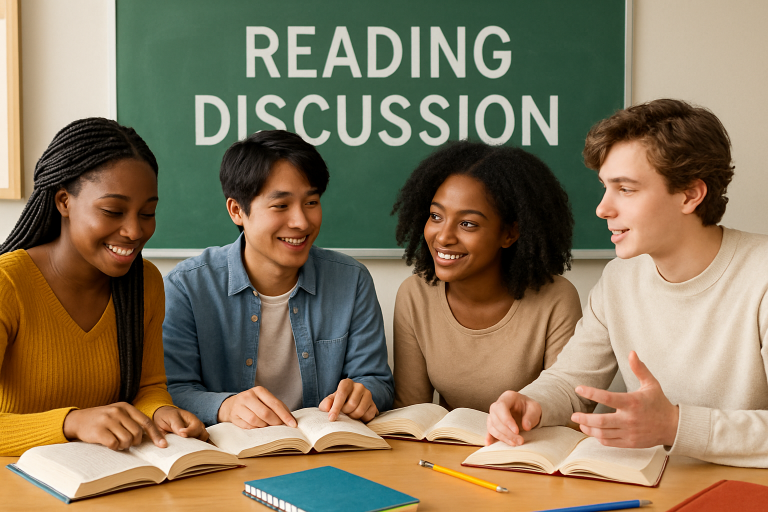
A classroom community built on collaboration supports the development of strong literacy skills. Group storytelling allows students to pool their imagination and learn from each other’s perspectives, while peer editing cultivates valuable feedback skills. In reading circles and small-group discussions, students build confidence and critical thinking by sharing connections and opinions about texts. Research consistently shows that peer-to-peer interaction boosts academic understanding and strengthens communication and social skills.
Integrating Technology for Modern Learners
Students today grow up surrounded by digital tools, so integrating technology into literacy instruction can meet them where they are most comfortable. Interactive e-books and digital storytelling resources combine text, audio, and visuals, making lessons more accessible and engaging. Platforms that allow multimedia presentations or collaborative writing projects encourage students to experiment and express their ideas in new formats.
The Power of Student Authorship
Empowering young writers by publishing their work transforms how they view themselves. Students take greater pride in their accomplishments when they become authors—whether through classroom books, online blogs, or collaborative anthology projects. This sense of ownership and public recognition encourages students to invest more thoughtfully in the reading and writing process. Seeing their work shared with classmates or families can be a powerful motivator, building a stronger connection to literacy.
Mindful Reading: Making Comprehension Fun
Reading comprehension is more than simply recalling details; it’s about making connections, exploring ideas, and thinking critically. Teachers can help students build deeper understanding through think-alouds, reading games, and question-based discussions. Reading circles, for instance, prompt students to collaborate and support one another during challenging texts. Games like comprehension bingo, story mapping, or role-play can transform abstract concepts into enjoyable, tangible experiences.
Celebrating Diversity in Texts and Voices
Students are most engaged when they see their lives and communities represented in what they read. Offering diverse texts—from global folktales and contemporary young adult novels to nonfiction works that highlight underrepresented voices—helps every student find stories that resonate. Multicultural literature enhances reading motivation and builds empathy and respect for others. By making room in the curriculum for diverse perspectives, educators enrich students’ learning experiences and foster an inclusive, welcoming classroom.
Sustaining Literacy Engagement Year-Round
Literacy engagement is most successful when it extends beyond a single lesson or project. Year-round initiatives, such as classroom reading challenges, author visits, and family literacy nights, help maintain enthusiasm for reading and writing. Inviting students to set goals, track their progress, and celebrate milestones ensures that literacy remains a dynamic, community-supported pursuit. Frequent engagement with reading and writing activities ensures ongoing growth and gradually builds both confidence and skill for all learners.
Conclusion
Fostering literacy engagement is not about one method but creating a rich, student-centered environment where reading and writing feel purposeful, enjoyable, and empowering. By combining collaboration, technology, creative projects, diverse texts, and opportunities for authorship, educators can nurture lifelong learners who view literacy as a gateway to knowledge and self-expression. When students see themselves reflected in their work and supported by their teachers and peers, they gain the confidence to thrive inside and beyond the classroom.