




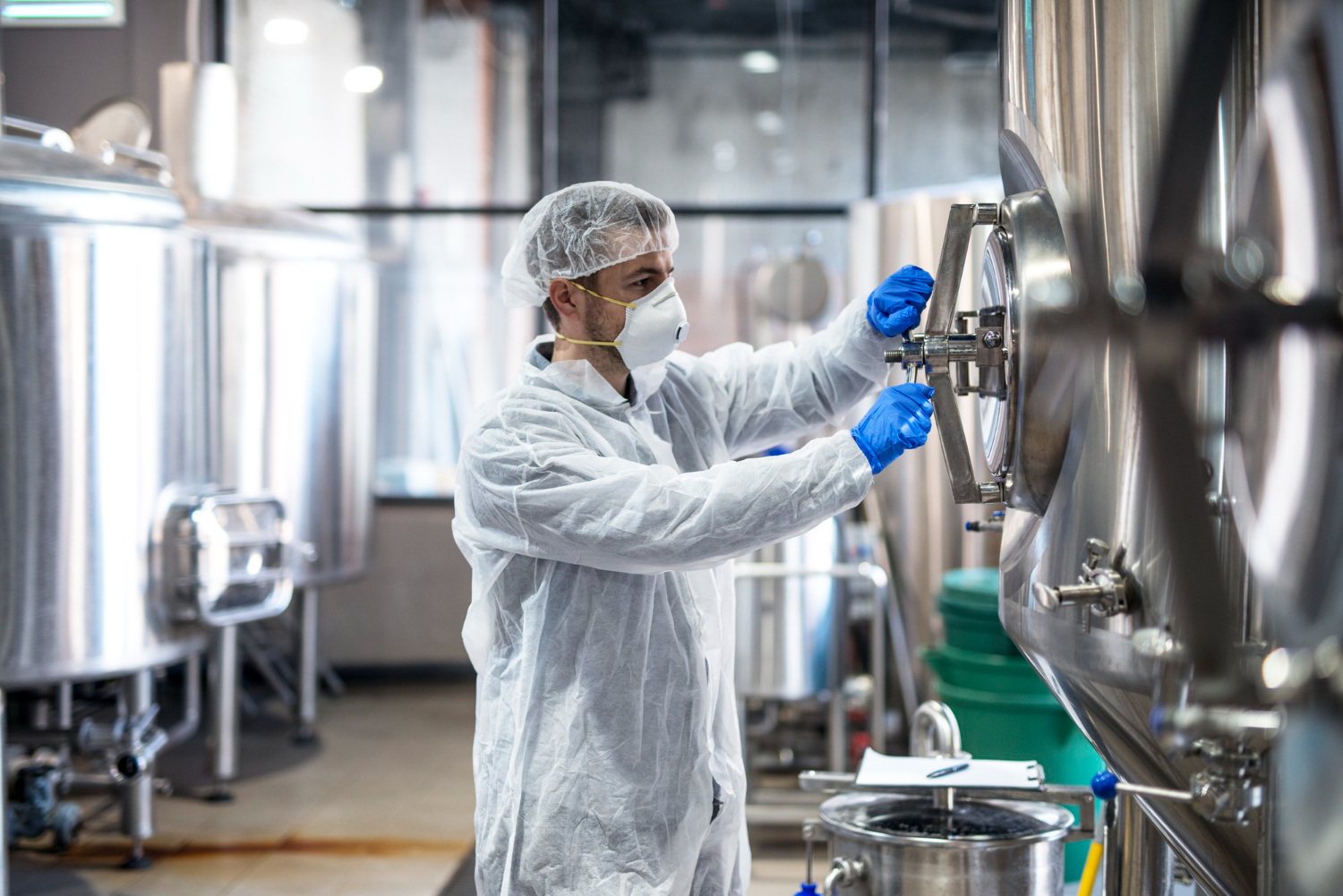
Scaling a culinary enterprise is an exciting milestone, but it brings intense logistical and operational challenges. Expanding production volume places immense pressure on your manufacturing line, testing the very limits of your operational capacity. In the food sector, a minor mechanical fault does not just halt the assembly line; it threatens public safety and the viability of your entire inventory. Equipment downtime in food manufacturing typically costs facilities between $10,000 and $25,000 per hour. When dealing with temperature-sensitive processes, product spoilage can easily double those baseline financial losses. In an environment where every minute counts, ensuring your production line operates flawlessly is not just about efficiency. It is the absolute foundation of sustainable business growth and long-term viability.
Table of Contents
The Mechanical Realities of Expanding Production
As your business transitions from a modest commercial kitchen to a high-volume facility, the machinery becomes increasingly sophisticated. When scaling up operations, the complexity of your equipment (whether you are looking at how exactly freeze-drying works or upgrading your automated packing lines) demands meticulous care and compliant maintenance protocols. The leap from batch processing to continuous automation introduces new stress points on motors, bearings, and conveyor systems that require constant, precise lubrication to function optimally. Failing to manage these stress points can lead to catastrophic mechanical failures right when demand is at its highest.
Maintaining these complex systems requires more than just standard industrial upkeep. Food processing plants simply cannot afford unexpected breakdowns. To prevent severe secondary equipment damage and the forced disposal of perishable inventory, operations must adopt preventative maintenance frameworks. Working with industry specialists like Pacific Lubrication ensures that facilities have access to the essential automated systems and specialised H1 food-grade lubricants needed to keep production lines running reliably during high-volume periods. Furthermore, implementing audit-proof programs specifically designed for the food and beverage sector allows managers to focus on growth rather than constant reactive repairs.
Unlike general manufacturing, the food industry faces immediate public health consequences for mechanical failures. In 2025 alone, Food Standards Australia New Zealand (FSANZ) coordinated 92 official food product recalls. This figure exceeded the national ten-year average and highlights ongoing regulatory vigilance across the supply chain. A significant portion of microbial contamination issues can be traced back to poor equipment hygiene and improper machinery maintenance. In fact, industry data suggests that up to 68 percent of food product recalls are triggered by equipment maintenance failures. This makes regular audits and strict hygiene protocols non-negotiable for expanding enterprises.
To mitigate chemical contamination risks, manufacturers must adhere to stringent codes regarding safe-contact materials. For example, international public health standards mandate that facilities must use approved substances for lubricants with incidental food contact, strictly limiting potential additions like mineral oil to no more than 10 parts per million. Failing to meet these strict thresholds can result in severe compliance violations, as even a microscopic drop of standard industrial grease can compromise an entire batch of product. Regulatory bodies actively monitor these thresholds, and non-compliance can lead to immediate operational shutdowns and lasting reputational damage.
Strategies for Audit-Ready Operations
Building a scalable, reliable production line means shifting your overall operational mindset. Food manufacturing plants are increasingly abandoning reactive strategies in favour of structured, proactive maintenance programs. To align your mechanical maintenance routines with broader corporate and regulatory goals, consider implementing the following practices to secure your operations:
- Implement automated lubrication systems: These automated delivery methods eliminate human error, prevent the over-lubrication of machine parts, and significantly reduce the risk of chemical contamination on the busy production line.
- Utilise certified H1 products: Market demand is shifting rapidly toward highly refined, allergen-free, and bio-based H1 food-grade lubricants. These products are safe for incidental contact and are formulated entirely without toxic additives.
- Maintain verifiable records: Good Manufacturing Practice (GMP) guidelines rely heavily on audit-proof equipment maintenance logs. Keeping detailed, digital records ensures your facility is always ready for unexpected safety inspections.
- Conduct regular equipment audits: Proactively identifying wear and tear on motors, conveyors, and processing units prevents the microbial build-up that often leads to costly downtime and product recalls.
Scaling a food business requires much more than securing new distribution channels or launching innovative product lines. Expanding your market footprint requires a remarkably solid mechanical foundation. If your processing equipment is prone to failure, even the most brilliant culinary product will struggle to reach consumers safely and efficiently. By prioritising equipment reliability, investing in automated maintenance solutions, and adhering to strict food-grade compliance standards, you can scale your food manufacturing operations with total confidence.