




Commercial construction continues to evolve as new technologies, sustainability goals, and changing business needs shape how buildings are planned and delivered. From advanced building materials to digital project management tools, today’s construction industry is placing greater emphasis on efficiency, resilience, and long-term performance. These trends are helping developers and contractors create commercial spaces that better support modern operations while adapting to future demands.
As the industry moves forward, companies involved in large-scale commercial projects, including Tutor Perini, reflect the growing focus on innovative construction practices and complex project delivery. Understanding the latest trends in commercial construction can help property owners, developers, and facility managers make informed decisions that contribute to smarter, more durable, and efficient buildings for years to come.
Table of Contents
Sustainable Construction Practices
Amid growing environmental concerns, sustainability is at the core of modern commercial construction. Developers and contractors prioritize certifications such as LEED and incorporate renewable energy solutions, including solar and geothermal installations, into their designs. These practices reduce environmental impact and appeal to tenants and investors seeking eco-friendly spaces. The shift to sustainable construction is also propelled by regulatory requirements and incentives that reward energy efficiency and green practices, making green building not only ethical but also financially prudent.
Technological Advancements
Technology is transforming the planning and execution of commercial construction projects. Artificial intelligence now aids project management, dramatically improving accuracy and efficiency in scheduling, resource allocation, and design. Modular construction is gaining ground by enabling faster, more predictable building processes. Off-site fabrication reduces delays and cost overruns, making the entire process more efficient. Other advances, such as drones and building information modeling (BIM), are also streamlining communication and project oversight, further limiting errors and enhancing productivity across the construction lifecycle.
Surge in Data Center Construction
The explosion of digital data has made data centers one of the fastest-growing segments in commercial construction. As cloud computing, streaming, and digital business expand, the need for reliable data infrastructure continues to climb. Spending on data centers has increased sharply, with the American Institute of Architects projecting a 21.9 percent jump this year alone. These facilities require specialized expertise in energy management, cooling, and robust security, which influences general construction practices and underscores the importance of technically skilled contractors in this niche market.
Addressing Labor Shortages
Labor shortages remain a major challenge in the sector, affecting timelines and budgets. In response, many construction firms are investing in workforce development and partnering with educational institutions to recruit new talent. Automation and robotics are emerging as partial solutions to labor shortfalls, helping companies maintain productivity with fewer skilled workers available. These trends highlight the urgency of ongoing professional development and the adoption of labor-saving technologies to fill growing gaps.
Managing Rising Material Costs
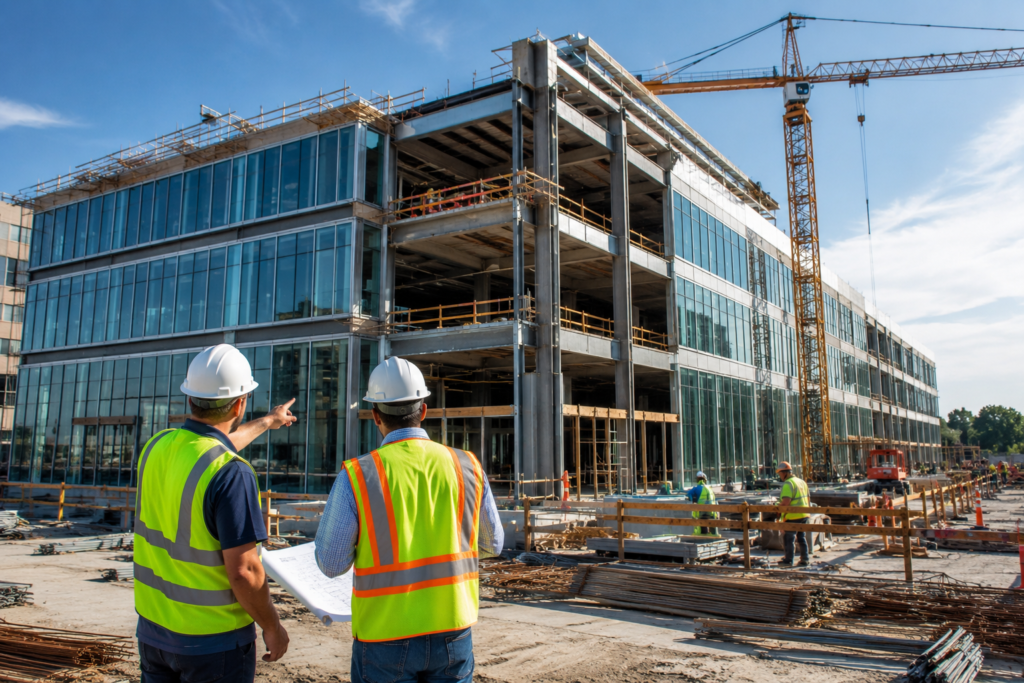
Recent years have seen rapid price hikes and unpredictable availability in essential building materials. Supply chain disruptions have contributed to volatile costs for steel, lumber, concrete, and other key inputs. To cope, developers are integrating procurement planning into early project stages and exploring alternative building materials that offer similar performance at lower or more stable costs. Flexibility in sourcing has become a critical factor for project resilience and success. Strategic procurement is now a staple business strategy for those hoping to avoid costly delays and overruns.
Emphasis on Resilient Design
Increasing environmental threats, such as severe storms and rising temperatures, have brought resilience to the forefront of commercial building strategies. Designs now anticipate a variety of risks, ensuring buildings are adaptable and can maintain operations during adverse events. Resilient design not only avoids costly disruptions but also attracts clients seeking long-term security and stability. It is now common for project teams to collaborate with climate and engineering experts to anticipate future risks and embed flexible solutions from the start.
Focus on User Experience
Modern commercial buildings are designed to enhance the well-being and productivity of their occupants. Today’s developments often feature amenities supporting mental and physical health, from natural light and indoor air quality systems to flexible workspaces and integrated technology solutions. As workplaces evolve, construction professionals must prioritize user-centered spaces that adapt to changing work and lifestyle patterns, ultimately increasing tenant satisfaction and retention.
Conclusion
As the commercial construction industry navigates new challenges and opportunities, trends such as sustainability, technological innovation, and resilient, user-focused design define the future. Adapting to these trends is not just a matter of compliance or competitiveness; it is foundational for building smarter, more enduring structures that serve the evolving needs of today and tomorrow.