




Safe vessel operations depend on skilled deck crews who understand proper mooring and line handling techniques. These fundamental skills prevent accidents, protect equipment, and ensure smooth port operations. Whether working on tugboats, cargo ships, or offshore vessels, mastering these basics is essential for every crew member.
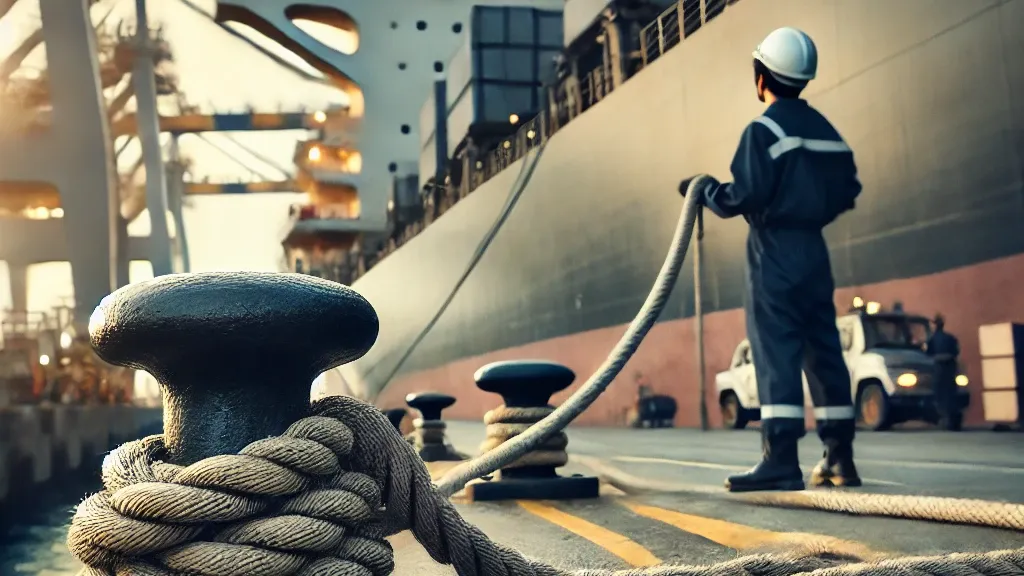
Table of Contents
Understanding Mooring Lines
Mooring lines secure vessels to docks, piers, or other structures. Modern ships typically use synthetic lines made from nylon, polyester, or polypropylene, though wire rope still has its place in certain applications. Each line type has specific characteristics that affect how it stretches, handles load, and wears over time.
Deck crews must recognize the different mooring lines and their purposes. Headlines run forward from the bow, stern lines extend aft from the stern, and spring lines angle forward or backward to prevent the vessel from moving along the dock. Breast lines run perpendicular to the vessel, holding it close to the structure. Understanding this system helps crews respond quickly during docking operations.
Pre-Operation Safety Checks
Before handling any line, crew members should inspect equipment for damage. Look for frayed sections, excessive wear, or weakened areas that could fail under load. A maritime lawyer in New Orleans makes a point of emphasizing that many serious injuries occur when compromised equipment goes unnoticed, leading to preventable accidents and liability concerns.
Safety gear matters just as much as the lines themselves. Hard hats, safety shoes with non-slip soles, and gloves designed for line work provide essential protection. Never wear loose clothing that could catch on equipment or lines under tension.
Proper Line Handling Techniques
The way crew members handle lines directly impacts safety and efficiency. Always stand clear of the bight, which is the curved section of line between the working end and the standing part. If a line snaps or slips, anything in the bight’s path faces serious danger.
When taking up slack or paying out line, maintain control at all times. Feed line smoothly around bitts, cleats, or capstans without allowing sudden jerks that could damage equipment or cause injury. Communication between crew members during these operations prevents confusion and coordinates efforts effectively.
Coiling lines properly after use keeps decks clear and lines ready for the next operation. Start at the free end and work toward the secured end, creating even loops that stack neatly. This simple practice extends line life and prevents tangles during critical moments.
Working with Winches and Capstans
Power equipment speeds up mooring operations but demands respect and knowledge. Before operating winches or capstans, understand the controls, load limits, and emergency stop procedures. Keep hands, clothing, and tools away from moving parts and loaded lines.
Never step over a line under tension or one being worked by powered equipment. The force involved can easily cause catastrophic injuries if something fails or slips. Position yourself where you can work effectively while staying out of danger zones.
Communication During Operations
Clear communication prevents accidents and ensures coordinated line handling. Establish standard signals or radio procedures before starting operations. The person handling lines should confirm they understand commands before taking action.
Weather conditions, noise, and distance can interfere with communication. Use hand signals when verbal commands might not be heard, and always verify that messages are received and understood. Never assume your intent is obvious to other crew members.
Dealing with Challenging Conditions
Weather and sea conditions complicate mooring operations. Wind, current, and waves all affect how vessels move and how lines perform. In rough conditions, lines come under greater strain and require more attention to prevent parting or equipment damage.
Adjust line tension as conditions change. A line that’s perfect in calm water might become too tight or too loose as weather shifts. Regular monitoring and adjustment keep the vessel secure without overstressing equipment.
Training and Skill Development
New crew members need proper training before handling lines independently. Experienced sailors should mentor newcomers, demonstrating techniques and explaining the reasoning behind procedures. Hands-on practice under supervision builds confidence and competence.
Regular refresher training helps experienced crew maintain sharp skills and learn updated techniques or equipment. Even veterans benefit from reviewing fundamentals and discussing lessons learned from past operations.
The Professional Approach
Professional mariners take pride in their line handling skills. They work efficiently without rushing, stay alert to changing conditions, and maintain equipment properly. This mindset reduces accidents, improves operational efficiency, and demonstrates the competence that defines skilled deck crews.
Mooring and line handling might seem straightforward, but these skills separate adequate crews from exceptional ones. Master the fundamentals, stay safety-conscious, and continue learning throughout your maritime career. Your vessel, your shipmates, and your own wellbeing depend on these essential capabilities.