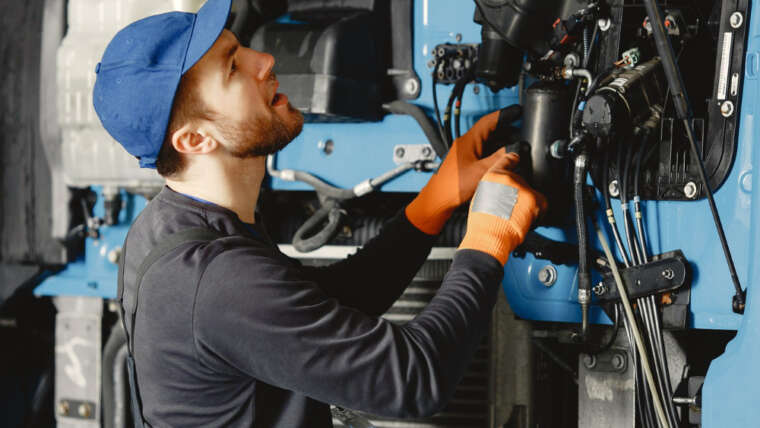





The cost and compliance risks of operating older diesel engines are not just technical details on a fleet manager’s checklist. They shape budgets, safety, and even legal exposure every single day a truck is on the road. These same issues can come under a microscope when injured people try to fight for damages after a commercial vehicle collision.
Table of Contents
- 1 Why Older Diesel Engines Are Getting Harder To Justify
- 2 Maintenance Costs And Downtime Add Up
- 3 Fuel Efficiency, Emissions, And Hidden Expenses
- 4 Evolving Regulations And Compliance Risks
- 5 Safety, Liability, And Public Perception
- 6 Recordkeeping And Proof Of Compliance
- 7 When Old Engines Become A Legal Risk
- 8 Conclusion
Why Older Diesel Engines Are Getting Harder To Justify
Many companies hold on to older diesel engines because they are already paid off. On paper, that can make them look cheaper than newer trucks with loan payments or leases. In reality, the numbers often tell a different story over time.
Aging engines usually need more frequent repairs. Breakdowns become less about “if” and more about “when.” Each tow, roadside fix, and shop visit takes a bite out of the supposed savings.
Older diesel trucks also tend to use more fuel. With fuel prices swinging up and down, even a small drop in miles per gallon can add up fast. What once felt like a thrifty choice can quietly turn into a money drain.
Maintenance Costs And Downtime Add Up
As diesel engines rack up miles, parts wear out. Injectors, turbochargers, emissions components, and cooling systems can all become repeat visitors to the repair bay. Those big-ticket items cut into profit margins.
Unexpected breakdowns bring more than repair bills. They mean delayed deliveries, missed appointments, and frustrated customers. Drivers can be stuck on the side of the road, waiting for help and losing hours that could have been spent moving freight.
Downtime also strains scheduling. Dispatchers scramble to reshuffle loads and find replacement vehicles. That juggling act can lead to overtime, rental costs, or turning down work altogether.
Fuel Efficiency, Emissions, And Hidden Expenses
Older diesel engines usually burn more fuel to do the same job. Over thousands of miles, that extra consumption becomes a major cost. Even a one- or two-mile-per-gallon gap between old and new models can mean thousands of dollars per truck each year.
Emissions from older engines are also higher. They often lack the advanced after-treatment systems used in newer equipment. That difference matters more as clean air rules tighten.
Some regions now charge higher fees, tolls, or penalties for high-emission vehicles. Others create low-emission zones where older trucks face limits or bans. Each new rule can close one more door to profitable routes.
Evolving Regulations And Compliance Risks
Environmental laws pertaining to diesel emissions are constantly changing. Agencies at the federal, state, and local levels may have different regulations. Maintaining compliance with an older engine can be like climbing a downward escalator.
To comply with updated standards, businesses may need to test, retrofit, or install special filters. Even with these costly repairs, an outdated engine might not be compliant with future regulations. Sometimes, longer-term realities are overlooked in favor of short-term compliance.
There are significant risks if a truck violates regulations. Forced downtime, fines, and citations can happen quickly. Regulators may sideline vehicles until issues are resolved or require documentation of repairs.
Safety, Liability, And Public Perception
When older diesel engines fail on the road, safety can be at stake. Sudden power loss, stalling, or mechanical failures can put trucks in dangerous positions. Breakdowns in high-speed traffic or steep grades increase the chance of collisions.
Poorly maintained older equipment can also raise questions after a crash. Investigators may look at inspection records, repair logs, and whether known problems were ignored. A pattern of skipped maintenance can look like a choice, not an accident.
Public perception matters too. Communities are increasingly aware of air quality and health impacts. Companies sticking with smoky, noisy trucks may find their reputation slipping with customers, neighbors, and regulators.
Recordkeeping And Proof Of Compliance
Operating older diesel engines safely and legally requires strong paperwork. Maintenance logs, inspection reports, and emissions test results become critical. Sloppy records can make a company look careless, even when work was done.
Clear documentation shows that an engine was regularly serviced and inspected. It can support a company’s claim that they took compliance seriously. Without it, they may struggle to answer tough questions from regulators or in court.
Good recordkeeping also helps managers spot trends. If the same components keep failing, it might be time to retire or rebuild a truck rather than patch it again. That decision can protect both the bottom line and people on the road.
When Old Engines Become A Legal Risk
After a serious collision, lawyers and experts often examine the condition of the vehicles involved. They look for signs of worn brakes, steering issues, or engine failures that could have been prevented. An older diesel engine with a long list of unresolved problems can point to broader safety issues.
If a business ignores clear maintenance needs, that choice can hurt them in lawsuits and insurance claims. What seemed like saving money by postponing repairs can turn into high costs later. The risk is not just about tickets and fines; it is about responsibility when people are hurt.
Conclusion
For injured drivers or passengers, the age and condition of the truck can be part of their story. They may argue that a company chose short-term savings over safety. In those cases, a legal team working to fight for damages after a commercial vehicle collision may closely examine the roles of older engines and poor maintenance in what went wrong.