




Table of Contents
The Rise of Digital Tipping Platforms
Gratuity has long been vital in the service industry, but consumer tipping has evolved with technology. Digital platforms like Square and Toast now facilitate seamless, in-app transactions, moving away from cash tips, driven by widespread contactless systems and mobile apps. These tools not only boost customer convenience but also help businesses accurately record and payout tips, ensuring staff don’t miss out as cash use declines. They also offer flexible, customizable tipping options, meeting consumer demand for personalized service. Firms that ignore these digital tools risk losing gratuity revenue and customer satisfaction, as digital payments shape broader expectations across various sectors. This shift in tipping isn’t happening in isolation.
Impact on Service Workers’ Earnings
For service workers, the introduction of digital tipping has brought significant changes to take-home pay. A study by the National Restaurant Association reported that restaurants using digital tip prompts experienced a 22 percent increase in average tips compared to those using only cash. This uplift can largely be attributed to the frictionless, in-the-moment prompting that digital systems make possible.
Digital tips are not just more common; they are also more effective. They are often delivered faster and tracked more effectively through payroll, benefiting both business managers and workers. Employees in cafes, rideshares, and other sectors have reported greater transparency and easier reconciliation at the end of each shift. On-demand payout options made possible by many platforms further increase access for workers who rely on daily cash flow.
Consumer Reactions and Tipping Fatigue
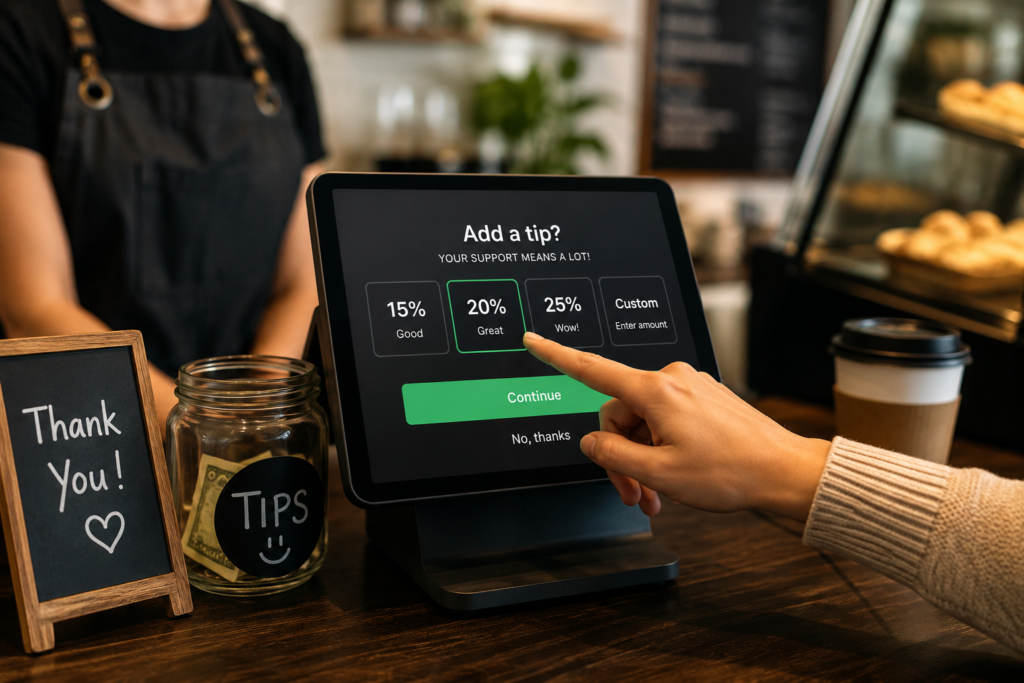
Despite the positive effects for workers, not all consumer responses have been enthusiastic. The rise of digital tipping has coincided with the emergence of “tipping fatigue.” Many customers now encounter tip prompts at every point of sale, from buying a coffee to picking up takeout or getting a haircut. In fact, a recent survey found that over 40 percent of respondents believe tipping culture has become excessive, in part because digital prompts have begun appearing in unexpected settings, such as retail stores and even self-checkout kiosks.
This omnipresence of tip requests can create frustration among patrons, leading them to feel pressure and even annoyance. Some consumers are voicing concerns that these prompts are more about padding business margins than rewarding genuine service, risking a potential decline in both the frequency and size of tips.
Challenges in Digital Tipping Implementation
Rolling out digital tipping platforms can present significant hurdles for organizations. One major concern involves the transparency of tip distribution. In some high-profile cases, companies have reconfigured their app interfaces to make tipping less visible, leading to lower gratuity amounts or even accusations of misdirecting tips. Notably, delivery giants like DoorDash and Uber have been scrutinized over claims that their interface updates allegedly deprived workers of hundreds of millions of dollars in tips in New York City alone.
Another implementation challenge is keeping tipping optional rather than obligatory. If digital systems nudge customers too forcefully, this can undermine the intended positive feeling associated with tipping, reducing rather than increasing overall generosity. Businesses must strike a careful balance, creating systems that reward staff without alienating loyal customers. Regulatory compliance can also become complex, especially as different jurisdictions introduce rules governing tip disclosures and worker protections. Technical reliability is another concern, since system outages or payment processing errors can directly impact employee income in real time. Customer experience must be carefully designed, as overly aggressive prompts or confusing interfaces can create friction during checkout. Finally, organizations need ongoing monitoring and auditing processes to ensure fairness, accuracy, and trust in how digital tips are collected and distributed.
Best Practices for Businesses
To make the most of digital tipping, businesses should embrace several important practices:
- Transparency: Let customers know exactly how and where their tips are allocated. Clear communication builds trust and loyalty with your clientele.
- Customization: Give patrons the power to choose tip levels and express specific appreciation, rather than pigeonholing them into preset amounts.
- Training: Equip employees with the knowledge and confidence to discuss tipping in a way that feels friendly rather than coercive, preserving a positive impression with customers.
The Future of Tipping in the Digital Age
Looking ahead, technology is poised to continue reshaping gratuity practices. Some emerging trends include leveraging blockchain for fully transparent tip tracking and distribution, and using AI to help businesses optimize the timing and display of tipping prompts for maximum effectiveness. These tools could bring new efficiencies, but they also present the ongoing risk of tipping fatigue if consumers feel overwhelmed or manipulated by technology. Ultimately, business owners will need to listen closely to customer feedback and proceed thoughtfully to deliver rewarding experiences for both staff and patrons.
Another likely development is the integration of tipping systems directly into broader digital wallets and super-app ecosystems, making gratuity a seamless part of everyday transactions. Businesses may also experiment with more personalized tipping suggestions based on service context, loyalty history, or spending patterns, though this raises privacy considerations. As automation increases in service industries, tipping models may shift further to account for hybrid human–AI service interactions. In response, organizations will need to regularly reassess fairness frameworks to ensure that technology enhances rather than distorts the human element of gratuity.
Conclusion
Digital tipping platforms have created both opportunities and new challenges for the service industry. When businesses focus on transparency, customer choice, and respectful introduction of new technologies, they can boost both worker compensation and guest satisfaction. Striking this balance will be key as digital and cashless payment options continue to develop and define contemporary tipping practices.