




Table of Contents
Introduction
Pet owners often focus on providing quality food, regular exercise, and annual checkups for their companion animals. However, dental health is a crucial, yet often underestimated, aspect of your pet’s overall well-being. Ignoring dental care can lead to discomfort and, more importantly, severe health issues that may impact your beloved companion’s entire body. If you want to ensure your pet’s long-term health, consider scheduling regular dental visits such as those provided at pet dental care near Hebron CT
Oral disease is one of the most common health concerns in dogs and cats, yet it is frequently overlooked until noticeable symptoms develop. Pet dental care plays a pivotal role in preventing complications that extend far beyond the mouth, affecting vital organs and overall health.
The Connection Between Oral and Overall Health
Your pet’s mouth is more than just a tool for eating and playing. Dental disease allows bacteria to multiply in the mouth, and if left unchecked, they can travel through the bloodstream. Once in circulation, they may impact the heart, kidneys, and liver, potentially causing serious and even life-threatening conditions. The relationship between dental and systemic health is well-documented, underscoring the importance of routine oral hygiene for maintaining pets’ optimal health.
According to the ASPCA, poor dental health can shorten your pet’s lifespan and reduce their overall vitality. Thus, taking oral health seriously should be a priority for every pet owner.
Common Dental Issues in Pets
Pets are susceptible to various dental diseases, with some conditions being more prevalent than others. Understanding these problems makes it easier to spot and address them early, improving outcomes and your pets’ comfort. The most common dental issues seen in veterinary practice include:
- Periodontal Disease: This condition affects the gums and tissues surrounding the teeth. Without intervention, it can cause pain, tooth loss, and even bone damage. Periodontal disease is very common in both dogs and cats over the age of three.
- Gingivitis: Characterized by red, swollen gums, gingivitis is the early stage of gum disease. Left untreated, it can progress rapidly to more severe infections.
- Tooth Resorption: Often found in cats, tooth resorption is the breakdown and absorption of tooth structure. It’s a painful process that usually requires veterinary care and can ultimately lead to tooth loss.
Signs of Dental Problems
Detecting dental problems in pets can be challenging because animals are adept at hiding discomfort. However, pet owners should remain vigilant and observe the following telltale signs of oral disease:
- Persistent bad breath (halitosis)
- Inflamed, red, or bleeding gums
- Difficulty chewing, dropping food, or unexplained appetite loss
- Loose or missing teeth
- Pawing at the mouth or rubbing the face on furniture
Prompt recognition of these symptoms and professional evaluation can help prevent further health issues and unnecessary pain for your pet.
Preventive Measures
Proactive dental care is the best strategy to protect your pet from dental disorders and their associated health risks. Effective preventive measures include:
- Brushing your pet’s teeth regularly with a pet-safe toothpaste
- Supplying dental chews and toys designed to diminish plaque and tartar buildup
- Feeding dental-formulated diets or treats recommended by your veterinarian
- Scheduling routine dental checkups and cleanings with your vet
Following a comprehensive oral health routine not only reduces the likelihood of dental disease but also strengthens your pet’s overall immunity and resilience.
The Role of Professional Dental Care
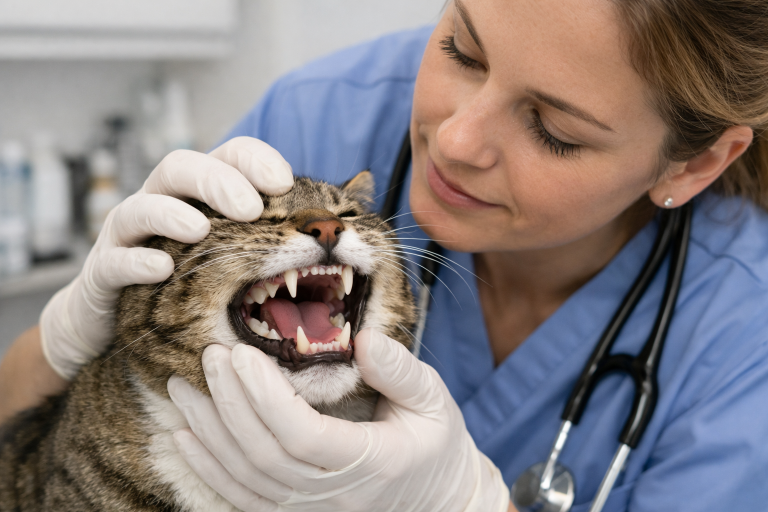
Routine checkups and cleanings by a veterinarian are indispensable, even if you consistently care for your pet’s teeth at home. Professional dental appointments include thorough cleanings below the gumline, examinations for hidden issues, and evaluation for conditions that could progress without visible symptoms. Your vet will tailor a dental care plan to suit your pet’s breed, age, health, and lifestyle. If you are unsure about starting oral care at home, your veterinary team can demonstrate the best techniques and recommend products tailored to your pet’s unique needs.
Diet and Chewing Habits
Diet is an often underestimated driver of oral health in both dogs and cats. Soft or sticky foods can cling to your pet’s teeth, increasing the risk of plaque accumulation. On the other hand, dry kibble, specialized dental diets, and certain treats facilitate a gentle scraping action during chewing, which naturally slows down plaque and tartar formation. Chewing toys and treats not only keep teeth cleaner but also stimulate saliva production, helping clear away bacteria and food debris from the mouth. Work with your veterinarian to choose the best dietary approach and products suited for your pet’s size, breed, and dental health status.
Final Thoughts
Ensuring your pet’s dental health is about much more than fresh breath or white teeth. It’s a vital part of supporting their long-term systemic health, happiness, and longevity. By prioritizing preventive dental care, seeking regular professional cleanings, and providing the right nutrition and home-care routines, you can give your companion the best possible quality of life. Remember, a healthy mouth is a powerful shield against many systemic diseases, making dental care an investment in your pet’s lifelong well-being.