




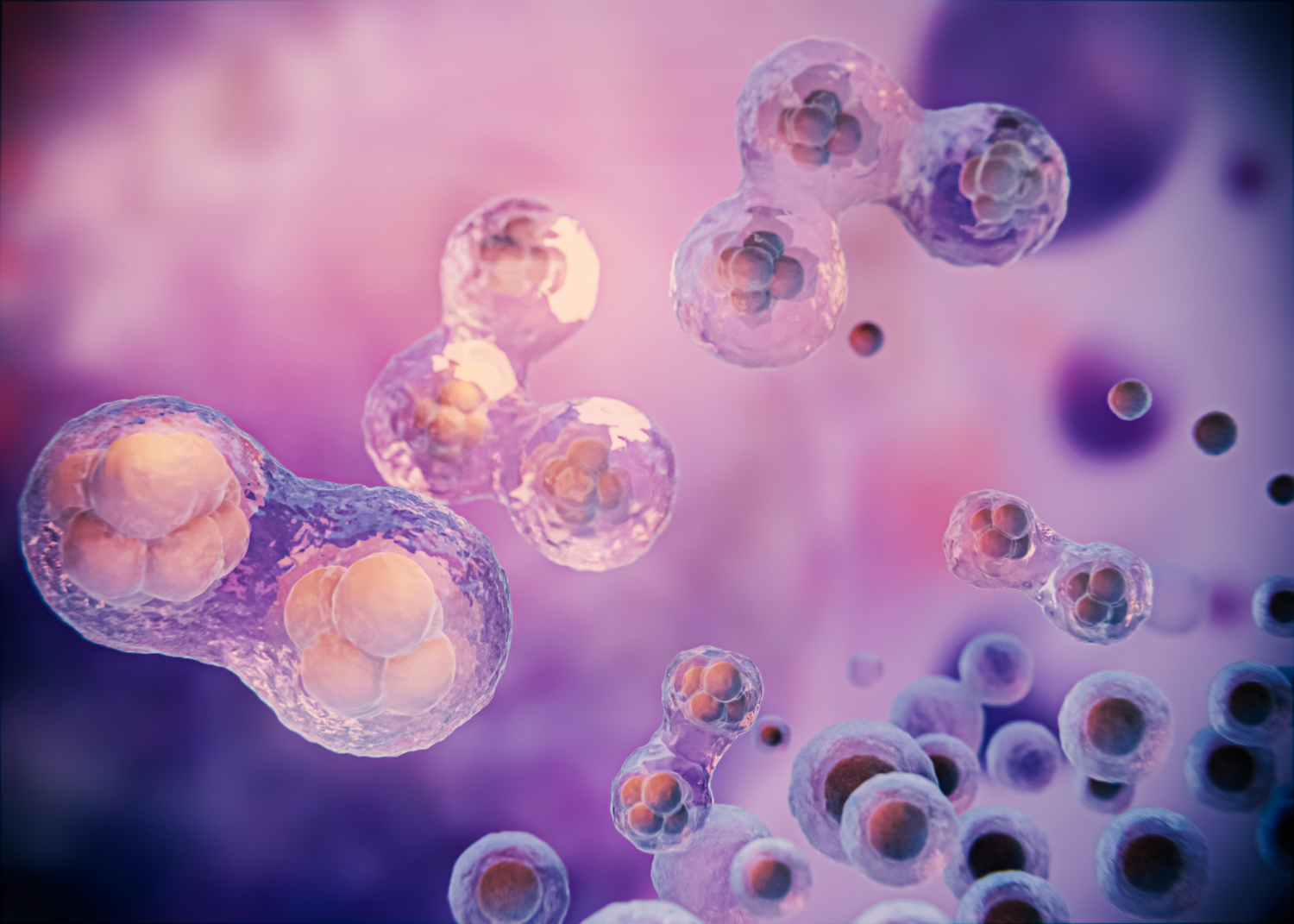
 You’ve probably heard about stem cells. Maybe it sounded like sci-fi. Tiny cells in your body that can become almost anything. Cool, right? But the truth is… they’re tricky. You can’t just grab them and expect them to work. Scientists have to guide them. They have to pick the right ones. That’s why a cell sorter machine is so important. It helps find the healthiest cells. The ones actually ready to grow and do their job. Without it, experiments can go sideways fast. With it, discoveries become possible. Little steps like this are what make breakthroughs real.
Table of Contents
Understanding Stem Cells
Stem cells are like blank canvases. They haven’t picked a job yet. Most cells in your body know what to do—heart cells pump, skin cells protect, liver cells filter. Stem cells? They can become anything your body needs.
There are different types. Embryonic stem cells are versatile—they can become almost any kind of cell. Adult stem cells are more limited, but still crucial. Then there’s iPSCs, or induced pluripotent stem cells. Scientists take adult cells and “reprogram” them to behave like embryonic ones. Crazy, right? But working with them isn’t simple. One wrong move and days, maybe weeks of work, can vanish. You need patience, care, and precision. No shortcuts.
What’s really wild is how sensitive they are. You change their environment a little and they behave completely differently. It’s like planting a seed. Give it sunlight, and it grows tall. Keep it in shade, it droops. The same cell, different outcome. Scientists have to get it just right—temperature, nutrients, even the dish they grow on. Every tiny detail matters. That’s why studying stem cells is exciting, and a little nerve-wracking too.
The Research Process
So, what does stem cell research actually look like? Labs grow the cells in controlled conditions. Temperature, nutrients, even light—all of it matters. But the trickiest part? Picking the right cells. Not all are strong enough, healthy enough, ready enough.
Here’s where a cell sorter machine really shines. It separates the healthy cells from the weaker ones. Sounds simple, but it’s huge. Without it, research would be guesswork. With it, experiments actually mean something.
After sorting, scientists guide the cells, watch them grow, and make sure everything is happening as it should. Sometimes experiments fail. Sometimes things grow slower than expected. But even tiny successes build the bigger picture. Every step teaches something new.
How Stem Cell Research Impacts Everyday Health
You might think… all this lab stuff doesn’t really affect you. But it does, more than you think. Stem cells are studied for tissue repair, healing injuries, and even chronic diseases. Things like diabetes, heart problems, or nerve injuries could one day be treated with these therapies.
Even now, research is showing ways to help the body heal better. Imagine breaking a bone and recovering faster. Or a degenerative condition that normally worsens over time… stem cell research might slow or even reverse some of that damage. It’s not magic. It’s a careful, precise science. But it has real-world effects. What starts in the lab eventually touches everyday life.
Challenges and Future Directions
It’s not easy. Stem cells are delicate. Handle them wrong and experiments fail. Ethical concerns pop up, especially with embryonic cells. And even when a therapy works, your body might reject it. Scientists have to figure that out too.
Progress can feel slow. But tiny steps matter. Every experiment, every careful measurement, builds toward something bigger. Patience isn’t just a virtue. Here, it’s essential. One day, these small steps might lead to treatments that are faster, smarter, and more effective for everyone.
Conclusion
Stem cell research is quietly shaping the future of medicine. The work might seem far away, but it affects the treatments you or someone you care about could receive. Researchers learn, experiment, fail, and try again. Every tiny step counts. All of this is part of a bigger story: advances in regenerative medicine. From repairing tissues to potentially reversing chronic conditions, careful study today could change the treatments of tomorrow. One day, the tiny cells studied in labs might be helping your body heal faster, repair better, and recover stronger.