



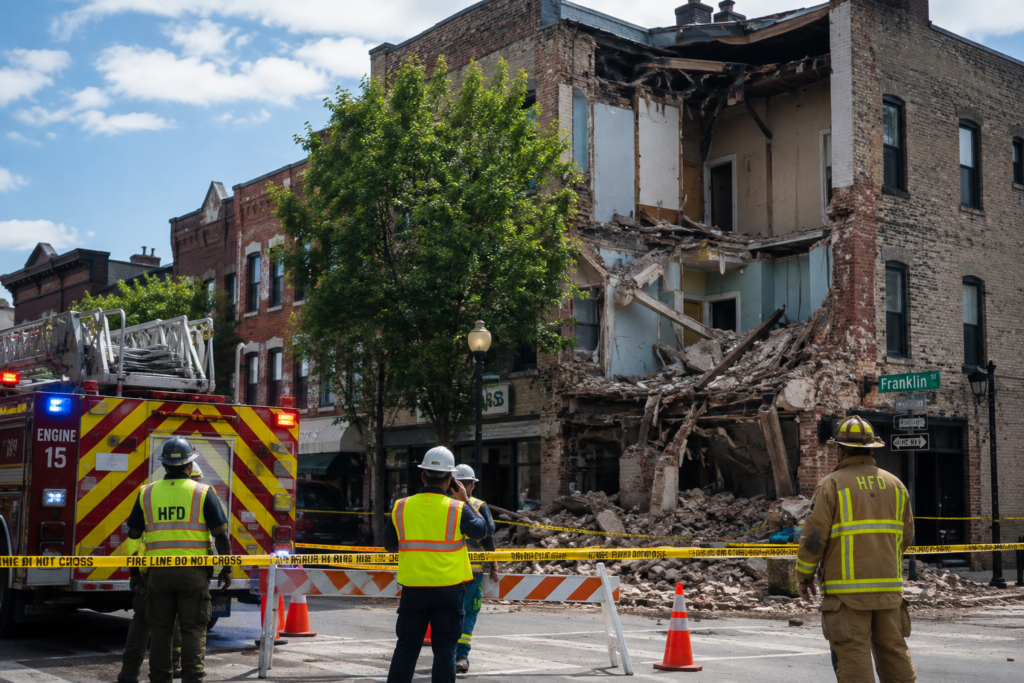
A structural accident can leave injured people and families facing urgent medical needs, damaged property, missed work, and difficult questions about what happened. Whether the event involves a partial collapse, falling debris, a failed staircase, or unsafe construction activity, immediate safety should always be the priority.
After emergency needs are addressed, speaking with a building collapse lawyer may help an injured person understand the practical next steps. Timely guidance is not about assuming a lawsuit is necessary. It can be a way to learn which records, deadlines, and decisions may affect available options.
Table of Contents
- 1 What to Do During the First Hours
- 2 Why Timing Matters After a Structural Accident
- 3 How to Preserve Useful Evidence
- 4 Questions About the Cause of the Accident
- 5 Who May Have Relevant Information?
- 6 Why Medical Records Matter
- 7 How to Handle Insurance Contact
- 8 Legal Deadlines and Claim Timing
- 9 Common Mistakes to Avoid
- 10
- 11 Questions to Ask During a Legal Consultation
- 12 Final Thoughts
What to Do During the First Hours
Leave the unsafe area if possible, call 911, and follow directions from firefighters, police, inspectors, and other emergency personnel. Do not reenter a damaged building to retrieve belongings, take photographs, or inspect the damage. Hidden hazards can include unstable walls, exposed wiring, broken glass, gas leaks, dust, and weakened floors.
When it is safe to do so, write down a basic timeline of the event, save witness contact information, and keep copies of hospital paperwork, insurance correspondence, and repair estimates. These small steps can be useful later, particularly when memories begin to fade.
Why Timing Matters After a Structural Accident
A damaged site may be secured, cleaned, repaired, demolished, or otherwise altered soon after an incident. Equipment can be moved, debris removed, and nearby security footage overwritten. Professional discussions about preserving evidence of structural failure emphasize that early observations, photographs, physical materials, and reliable records can be difficult to recreate once site conditions change.
Prompt action does not mean rushing to conclusions about fault. Instead, it means making informed choices even when important information may still be missing. A careful review may require technical records, witness statements, inspection reports, and, in some cases, input from qualified engineers or other specialists.
How to Preserve Useful Evidence
Evidence may help explain both how the accident occurred and how it affected the people involved. Useful materials can include:
- Photos or videos taken from a safe location before conditions changed.
- Emergency response, incident, and inspection reports.
- Maintenance records, repair invoices, permits, and renovation documents.
- Names and contact information for witnesses.
- Damaged clothing, tools, or personal property, when safe to retain.
- Notes about visible cracks, warnings, unusual sounds, vibrations, or prior complaints.
Never disturb debris or remove materials from a restricted site. If authorities control access to the scene, their instructions should be followed. Scene safety practices are also important after the immediate emergency has passed, as damaged structures can remain unstable.
Questions About the Cause of the Accident
The cause of a structural accident may not be obvious. Possible factors can include aging materials, water intrusion, neglected maintenance, design concerns, overloaded areas, excavation, vibration, fire, impact damage, or work that removed or weakened supports.
Questions Worth Documenting
- Were warning signs or visible defects reported before the accident?
- Was construction, demolition, excavation, or renovation underway?
- Who inspected the structure or work area?
- Were permits, plans, maintenance logs, or safety notices available?
- Did weather, flooding, nearby construction, or another outside event contribute?
It is usually best to avoid publicly guessing about fault, including on social media. A preliminary explanation may later prove incomplete once more facts are known.
Who May Have Relevant Information?
Responsibility depends on the facts and the law in the location where the accident occurred. More than one person or organization may possess useful information, including property owners, managers, contractors, subcontractors, architects, engineers, inspectors, maintenance companies, demolition crews, manufacturers, and public agencies connected to permits or inspections.
This does not mean every listed party is legally responsible. It shows why early fact-gathering can matter when a structural accident involves multiple layers of ownership, maintenance, design, or construction.
Why Medical Records Matter
Some injuries are immediately apparent, while others develop over hours or days. Pain, breathing difficulties, hearing changes, headaches, mobility problems, sleep disruption, and emotional distress should be discussed accurately with a medical professional. Seek medical care for new, persistent, or worsening symptoms.
Keep appointment summaries, bills, prescriptions, test results, and work restrictions. It can also help to maintain a simple journal of missed work, daily limitations, and changes in sleep or mobility. Medical documentation supports treatment and may help show the full effect of an injury over time.
How to Handle Insurance Contact
Insurance representatives may request a recorded statement, photographs, medical authorizations, or a settlement decision before the full extent of an injury is known. Communicate truthfully, but avoid guessing about fault, future treatment, or the cause of the structural failure.
- Record the representative’s name, company, and claim number.
- Keep copies of letters, emails, forms, and messages.
- Read every document before signing it.
- Ask questions about any release, authorization, or payment offer you do not understand.
- Consider getting legal guidance before making important recorded or written statements.
Legal Deadlines and Claim Timing
Filing deadlines can vary by state, claim type, defendant, and specific circumstances. Claims involving government entities may have separate notice requirements and shorter time limits. In some situations, a deadline can begin before an injured person fully understands the long-term effects of an injury.
General online information cannot identify the applicable deadline for a particular accident. Seeking state-specific guidance promptly can help a person identify key dates and avoid losing an option by waiting too long.
Common Mistakes to Avoid
- Returning to a dangerous site without authorization.
- Discarding potentially relevant damaged items.
- Posting detailed opinions about blame online.
- Ignoring symptoms after an initial medical visit.
- Accepting a quick payment without considering future costs.
- Assuming that only one party could be involved.
- Waiting until a deadline is close before asking questions.
Questions to Ask During a Legal Consultation
A legal consultation can help clarify options without committing anyone to a claim or lawsuit. Useful questions include:
- What facts and records should be documented first?
- Are there filing or notice deadlines that may apply?
- Should damaged property or materials be preserved?
- Could multiple parties have relevant records or responsibilities?
- How are future medical expenses and lost income evaluated?
- What information should be shared with an insurer?
- What fees, costs, and communication procedures should be expected?
Final Thoughts
The days after a structural accident can be overwhelming. Safety and medical care should remain the first priorities. Once immediate risks are addressed, preserving records, tracking recovery, and obtaining timely information may help ensure important decisions are made. Because every accident has different facts, injuries, and local legal considerations, individualized guidance can be valuable.