



As soon as you think about keeping your supply chain operating smoothly, most will focus on shipment scheduling or vendors; it’s understandable, but you may be overlooking something crucial – the tools used by staff in their daily work. Small inefficiencies can add up and create unexpected delays you never expected. This is something that the logistics and aviation industries rely heavily upon.
Outdated machinery? It can hide problems until they hit you hard. That’s why businesses are exploring smarter solutions. Tools like electric ground support equipment (EGSE) aren’t just about being eco-friendly. They make sure operations are flexible, reliable, and ready for the unexpected.
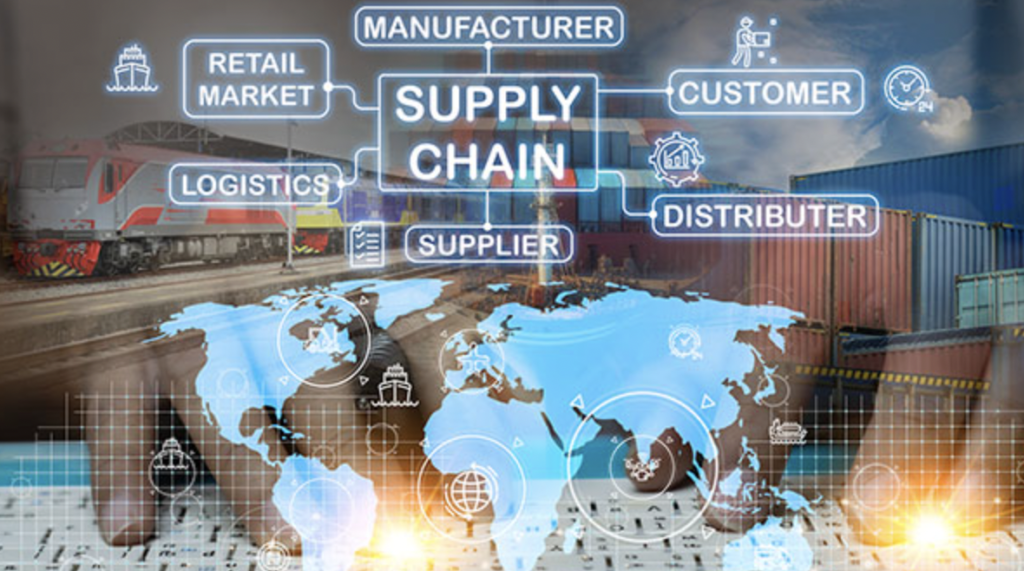
Table of Contents
Understanding the Modern Supply Chain Landscape
Supply chains today are messy. Really messy. You’re managing networks that stretch across cities, countries, maybe even continents. One little delay can ripple through the entire system.
Labor shortages, transportation hiccups, sudden spikes in demand—they happen all the time. The companies that survive don’t just react. They plan. They pay attention to details, even the tools on the ground. Equipment, carts, and monitoring systems—they all affect how resilient your operations are.
If you’re still using old methods or manual processes, mistakes sneak in. Delays happen. Stress rises. And sometimes, you don’t notice until the problem reaches your customers. That’s why thinking about your tools is just as important as thinking about schedules.
The Role of Technology in Enhancing Efficiency
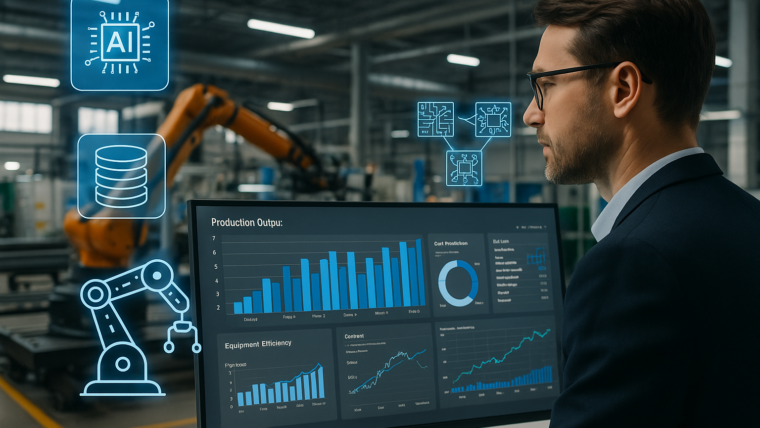
Technology isn’t optional. Not anymore. Automation, real-time tracking and data monitoring provide early warning of impending problems so you can address them before they escalate out of control.
Upgraded equipment is equally essential to increasing speed, decreasing errors, and making work less strenuous. Electric ground support equipment (EGSE) can make such improvements possible by moving cargo, luggage or heavy items quickly and safely, meaning less downtime for you, fewer headaches for others. You’re able to monitor performance quickly to catch small problems early before they engulf entire operations and affect business as a whole.
Combine technology and strategic planning, and instead of being reactive, you become predictive. And anticipation? That’s what makes a supply chain resilient.
Prioritizing Flexibility and Scalability
A resilient supply chain isn’t stiff. It bends. It adapts. That’s what flexibility really means.
Think about peak seasons, sudden demand surges, or unexpected delays. If your tools can’t adjust, you’re scrambling. Modular equipment, mobile solutions, scalable systems—they make a huge difference. Electrified tools help you scale without overwhelming your team.
Picture this: flexibility is like extra lanes on a highway. When traffic builds up, cars still move. The right equipment gives you those lanes. You can keep things flowing, even when the unexpected happens.
Sustainability as a Core Component of Resilience
Sustainability isn’t just a buzzword. It’s practical. Energy-efficient tools save money, need less maintenance, and often last longer.
Electric ground support equipment shows this perfectly. Cleaner, smarter machines mean fewer breakdowns. Less downtime. Lower costs in the long run. Plus, it shows clients, partners, and even employees that you care—not just about the bottom line, but about the environment too. Resilience and sustainability go together. You can’t have one without the other. Businesses that get this right often have an edge over the competition.
Strategies to Strengthen Supply Chain Operations
Making your supply chain stronger doesn’t have to be complicated. Start with the right tools and tech. Keep an eye on everything. Predictive maintenance stops small issues from turning into major problems.
Your team matters too. Even the smartest tools won’t help if people don’t know how to use them. Train them. Make sure they understand each process. Encourage awareness at every step.
Resilience comes from combining planning, flexibility, and modern equipment. When you’re prepared, delays don’t throw everything off. You keep moving. Customers stay happy. Your business grows. And honestly, it takes a lot of stress off you too.
Conclusion
Strong supply chains aren’t about avoiding problems. Flexibility, tech and sustainability all play essential roles. Tools like electric ground support equipment help businesses reduce downtime and run smoothly to stay relevant in an ever-evolving marketplace. Resilience has never been optional; by being ready to adapt swiftly when disruptions strike quickly you will always increase chances of long-term survival for yourself and your business partners. Planning, smart tools and a pliable mindset give businesses that edge they need for long-term survival.