




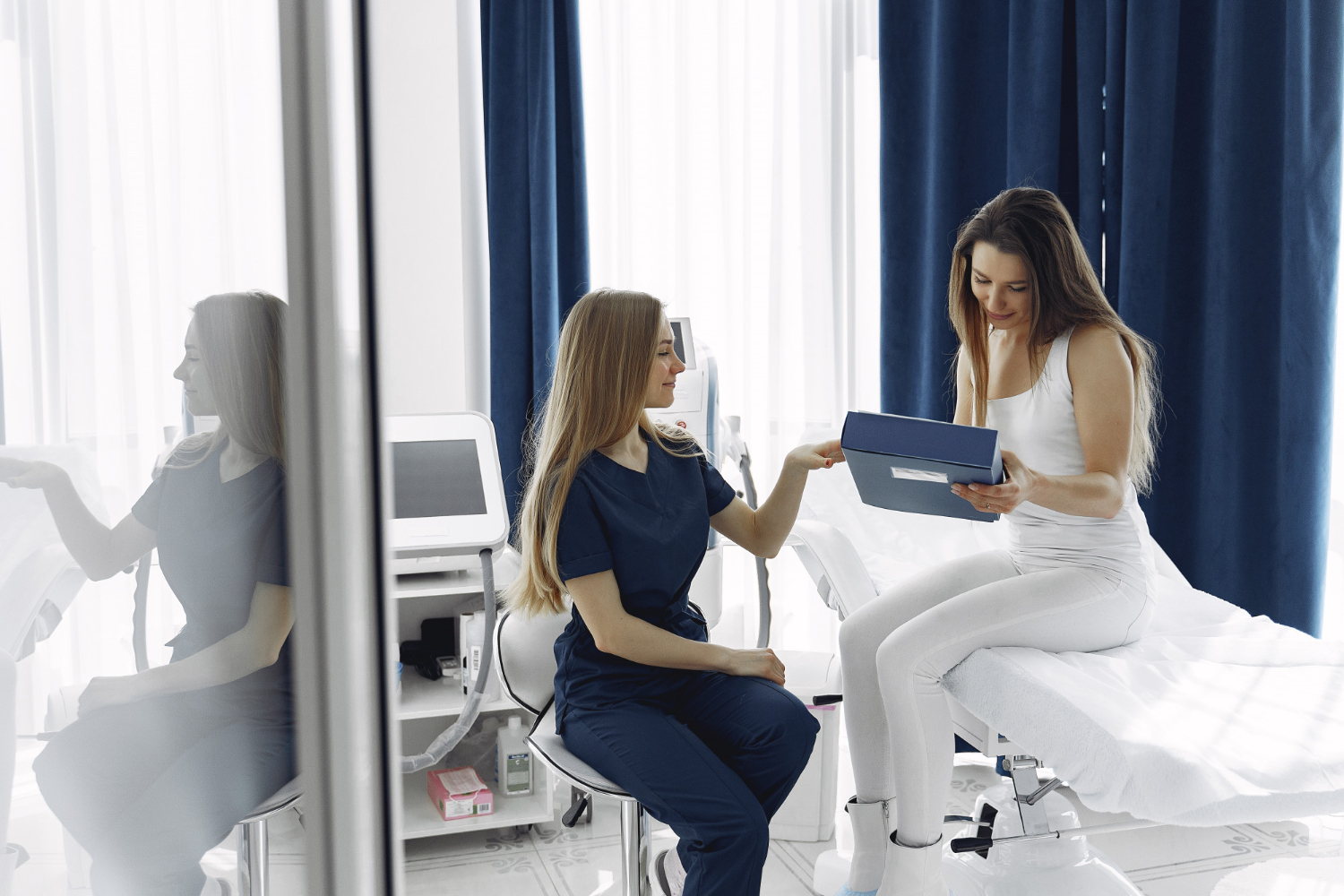
The Australian health and beauty sector is experiencing an unprecedented boom driven by shifting consumer preferences and rapid technological advancements. Clinic owners are expanding their footprints rapidly, adding new physical locations, and broadening their service menus to meet surging public demand. According to recent data from industry analysts, Australia’s plastic surgery market and the broader medical aesthetics sector are now valued at a staggering $1.5 billion. A significant portion of Australians are now actively seeking non-surgical procedures like laser treatments and injectables to enhance their natural appearance and combat signs of ageing. However, with this rapid expansion comes a significant challenge. How do business owners grow their clinic networks and increase their geographic reach without compromising the high standards of patient care that built their stellar reputation in the first place?
Table of Contents
The Blueprint for Standardised Quality
The core dilemma of business growth is often referred to by experts as the problem of more. When a single aesthetic clinic operates smoothly, the lead medical practitioner can easily oversee every minor detail. They can correct staff errors on the fly and guarantee client satisfaction through direct interaction. As the business scales to five or ten locations, maintaining that exact same level of clinical excellence becomes exponentially harder. Leadership can no longer be everywhere at once, and local managers must step in to bridge the gap.
Expanding without diluting quality requires a reliable operational template. Without a proven model of success to copy, businesses risk rolling out untested practices that can damage customer trust and erode their brand value. For a growing dermatology or aesthetics clinic, this operational template is not just about branding or front-desk scripts. It is fundamentally about the core technology and the clinical protocols used daily in the treatment room.
Versatile Technology as an Operational Prototype
In the medical aesthetics industry, your clinical equipment serves as the foundation of your working prototype. If a clinic chain utilises wildly different, single-purpose machines across its various regional locations, standardising patient outcomes becomes a near impossible task. Under those fragmented conditions, practitioners are forced to learn multiple confusing interfaces, routine maintenance costs soar unnecessarily, and patients receive inconsistent results depending on which branch they happen to visit. This lack of uniformity can quickly lead to a fragmented corporate identity.
To combat this chaos, modern clinics must rely on unified technological solutions. Achieving true operational efficiency means optimising workflows, reducing friction, and increasing the quality of your output without proportionally increasing your costs. In a clinical setting, this is accomplished by investing in premium, multi-purpose platforms that can perform a wide range of popular treatments reliably. For instance, implementing a highly versatile dual-wavelength system like the GentleMax Pro allows practitioners to treat diverse skin types and address multiple indications safely using a single interface. When a business standardises its core technological assets across all sites, it instantly creates a replicable standard of care. Staff members can be transferred seamlessly between locations without a drop in productivity, treatment appointment times become highly predictable, and stringent patient safety protocols remain completely uniform across the entire company board.
Key Scaling Strategies for Clinic Owners
Translating a single isolated pocket of success into a thriving, multi-clinic empire requires intentional guardrails. As business owners navigate the delicate balance between replicating exactly what works and adapting to new local markets, they should implement several critical strategies.
- Invest in comprehensive workstations: Instead of purchasing separate budget devices for hair removal, vascular lesions, and skin rejuvenation, select comprehensive premium systems that handle multiple indications. This reduces the physical footprint in the treatment room and streamlines capital expenditure.
- Standardise practitioner training: When all business branches utilise identical technology, the staff onboarding process becomes highly efficient. Clinics can develop a singular training curriculum that ensures every single dermal therapist operates at the exact same standard of excellence.
- Unify clinical protocols: Establish strict guidelines for treatment settings, pre-care instructions, and post-care routines that revolve directly around your chosen equipment. This guarantees that a patient walking into a Sydney clinic receives the exact same premium experience as they would in a Perth branch.
Scaling a health and beauty business involves much more than simply signing new commercial property leases. It requires a deep commitment to multiplying constructive practices while ruthlessly eliminating inconsistencies in patient care. By treating high-end, versatile technology as the working prototype for clinical outcomes, business owners can successfully navigate the complexities of rapid expansion. When the foundational operational template is rock solid, aesthetic clinics can confidently welcome a broader patient base, ensuring that achieving rapid growth never requires settling for less.