




Recent legal events in Massachusetts have thrust child custody laws into the spotlight, encouraging families and legal professionals to re-examine the safeguards and rights that shape custody outcomes. In particular, the ‘Custody of Vale’ case has prompted deep discussion around the boundaries of court authority and the protection of children’s welfare during inter-state disputes. For families navigating custody issues, understanding how new precedents may affect their journey is crucial. The MA Child Custody Case Insights blog provides in-depth perspectives vital to anyone involved in or anticipating involvement in a Massachusetts custody case.
Grasping the legal nuances brought forward by the ‘Custody of Vale’ case helps parents be proactive and informed, reducing uncertainty during an emotionally charged process. Massachusetts law continually adapts to balance jurisdictional conflicts and uphold the best interests of children, ensuring that every custody dispute is treated with the seriousness and urgency it deserves.
Table of Contents
Background of the ‘Custody of Vale’ Case
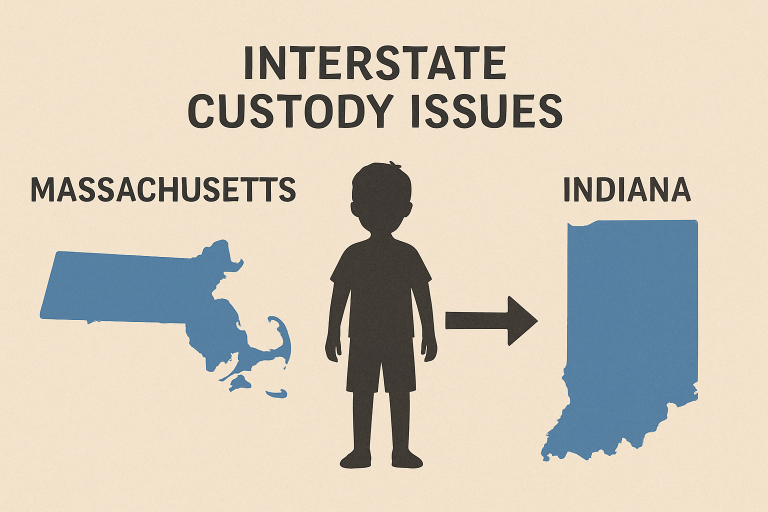
The ‘Custody of Vale’ case involves a refugee minor who, after less than six months in Indiana, sought refuge in Massachusetts. DCF began care, while Indiana pushed for return under the ICJ. The Massachusetts court initially supported the child’s return, emphasizing protocol, but later reversed, prioritizing the child’s well-being over procedure. This case highlights the tension between following agreements and acting in the child’s best interests, especially when navigating differing state laws and jurisdictions. It underscores the importance of legal guidance and shows Massachusetts courts may assert authority if the child’s home state isn’t settled.
Jurisdictional Challenges in Interstate Custody
Resolving which court should oversee a child’s custody can be uniquely complicated when families cross state lines. The Massachusetts Child Custody Jurisdiction Act (MCCJA) attempts to resolve these disputes with a framework that gives Massachusetts default jurisdiction only if no other state qualifies as the child’s ‘home state’. This law is designed to discourage parents from ‘forum shopping’, where one parent seeks out a court believed to be more sympathetic to their case rather than navigating the home state’s system.
In the Vale case, both Massachusetts and Indiana vied for legal authority, but ultimately Massachusetts prioritized protecting the child’s interests over bureaucratic process. These jurisdictional battles can leave families feeling lost and frustrated, so staying informed is essential to protecting parental rights and the child’s interests across borders.
Implications for Massachusetts Families
For families engaged in custody disputes, the ‘Custody of Vale’ decision has lasting practical implications. The ruling clarified that, in cases where there is no clear home state, Massachusetts courts have a duty to establish jurisdiction and decide custody in the child’s best interests. This legal position asserts that the child’s interests must remain the priority, even when court protocols seem rigid or procedural battles arise.
As a result, the decision is likely to influence future cases, especially those involving complicated interstate disputes or ambiguous home states. Parents must be mindful that crossing state lines does not necessarily put decisions beyond the reach of Massachusetts courts, nor does it guarantee a simple resolution. Massachusetts families can benefit from reviewing state-specific resources that outline rights and responsibilities in custody proceedings.
Ensuring Timely Custody Hearings
Time is often a critical factor in child custody cases. Massachusetts law mandates that a temporary custody hearing occur within 72 hours of a child’s removal from parental care. Unfortunately, many hearings extend past this window, creating prolonged distress and uncertainty for both parents and children. Bottlenecks in the crowded court system and administrative challenges are common culprits.
Efforts have been launched to streamline these proceedings and reduce hearing delays, but the issue remains pervasive. Families should remain vigilant, educate themselves about legal timelines, and advocate for their rights if delays persist.
Parental Rights and Religious Beliefs
Child custody cases often require courts to balance complex rights. A major aspect involves parental religious beliefs. In a related ruling, the Massachusetts Supreme Judicial Court decided that parents’ religious preferences, such as opposition to vaccinations, must be honored when children are in temporary state custody unless there are exceptional circumstances. This position recognizes the deeply personal and protected nature of religious convictions within the family law arena.
The ruling confirms that courts cannot overlook religious rights for convenience or for uniform application of medical standards. Instead, they must carefully weigh parental discretion and cultural norms on a case-by-case basis.
Key Recommendations for Massachusetts Parents
- Study the jurisdictional laws relevant to your situation to understand which state’s courts may have authority over your case.
- Monitor legal timeframes and ensure all hearings occur as promptly as mandated. If delays arise, consult legal representatives regarding options to expedite proceedings.
- Assert your rights, and make sure your religious or cultural beliefs are respected during all temporary and final custody arrangements.
- Seek experienced counsel in Massachusetts family law to navigate these issues and protect your family’s interests effectively from the earliest stages of dispute.
Conclusion
The ‘Custody of Vale’ case is a significant milestone in Massachusetts family law. It highlights the ongoing importance of legal awareness, interpersonal advocacy, and timely action in child custody cases. Families should stay updated on recent rulings, understand the nuances of inter-state jurisdiction, and be assertive in defending their rights. Working with skilled legal professionals and utilizing available state resources can transform an overwhelming dispute into a managed and hopeful process, ensuring that the best interests of children remain at the forefront of every custody decision.