



Table of Contents
Introduction
Nonprofit organizations strive to create positive change, but often face hurdles that can impede their progress. Whether navigating funding challenges, managing growth, or maintaining stakeholder trust, the proper guidance can make a world of difference. Working with a nonprofit consultant, such as Karen Miner-Romanoff, brings an objective perspective and experienced insight to help align daily operations with strategic goals and maximize impact.
Consultants are uniquely positioned to evaluate an organization’s position and offer tailored solutions that meet its mission-driven needs. Their expertise in nonprofit best practices provides a structured approach to problem-solving, paving the way for long-term sustainability and growth while supporting leadership in the often complex landscape of the nonprofit sector.
Strategic Planning and Implementation
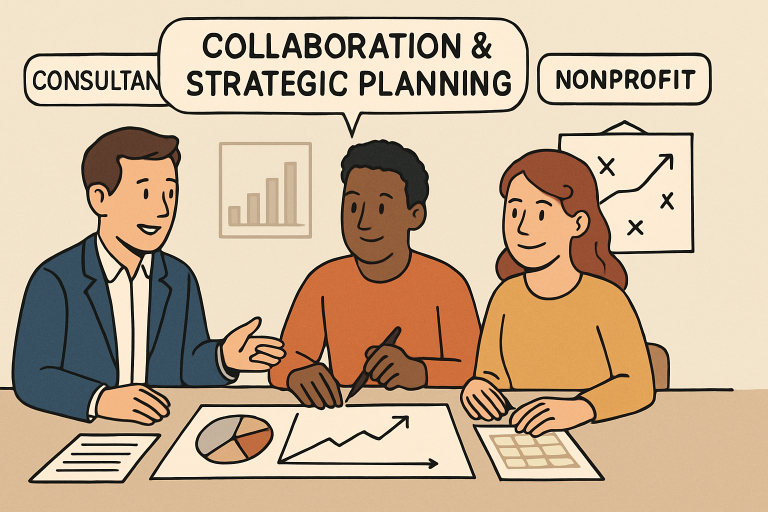
Success in the nonprofit world starts with a strong, actionable strategic plan. An expert consultant works with leadership teams to design strategies that closely align with the organization’s core mission. This partnership often begins with an in-depth evaluation of the nonprofit’s environment, identifying both strengths and areas for improvement. Together, they establish measurable objectives and detailed frameworks for reaching those goals, ensuring every action supports the overarching mission.
Effective strategic planning includes contingency measures to address unforeseen challenges. Consultants provide invaluable facilitation, helping organizations make data-driven decisions, prioritize initiatives, and chart clear paths to success. According to Forbes, staying agile and continuously reassessing strategies are key factors for sustained nonprofit impact. By regularly reviewing outcomes and adjusting strategies, nonprofits can maximize their resources and amplify their mission’s impact. Clear communication of the plan to all stakeholders fosters alignment and strengthens organizational commitment. Ultimately, a well-executed strategic plan transforms vision into measurable results, ensuring long-term sustainability and growth.
Enhancing Operational Efficiency
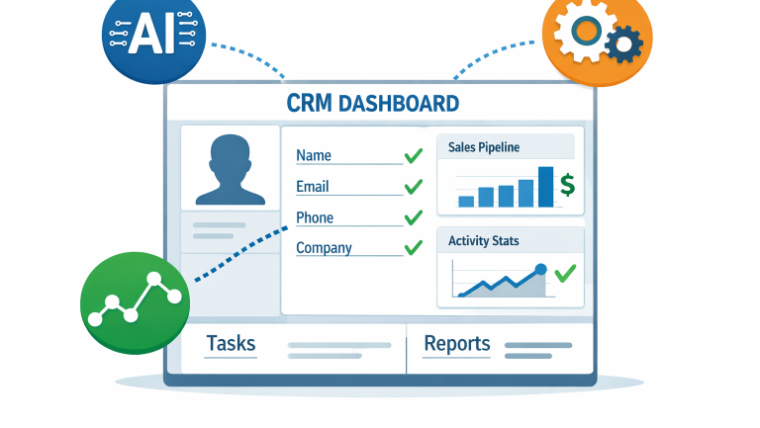
Many nonprofits are hindered by outdated systems or inefficient workflows, draining precious resources. Consultants conduct operational assessments to diagnose bottlenecks, redundancies, and technological gaps. By applying sector-specific best practices, they recommend solutions such as integrated database systems and new communication tools, empowering teams to operate with greater clarity and efficiency.
Streamlined operations not only reduce costs but also improve service delivery, allowing staff and volunteers to focus on core mission activities. Through detailed process mapping and the adoption of digital tools, nonprofits are better equipped to make informed decisions and respond quickly to new opportunities or emerging challenges.
Building Leadership Capacity
Strong leadership is fundamental to nonprofit resilience. Consultants frequently deliver tailored training programs to enhance essential leadership skills, including vision-setting, effective communication, conflict resolution, and fostering an inclusive organizational culture. Leadership development workshops and mentoring support long-term capacity building, ensuring that the executive team and board members are prepared to guide the organization through change and uncertainty. This focus on empowerment nurtures a culture of adaptability and innovation, helping the nonprofit attract and retain top talent.
Boosting Fundraising Capabilities
Consistent funding is crucial for long-term impact, yet many nonprofits struggle with donor retention and diversification. Nonprofit consultants provide fresh, innovative fundraising approaches, from modernizing annual giving campaigns to developing grant strategies to cultivating major gifts. They guide organizations in storytelling that clearly communicates their mission, building deeper, more meaningful connections with supporters.
By leveraging analytics and donor management tools, consultants help nonprofits optimize outreach and increase conversion rates. Their focus is on fostering authentic relationships and identifying new revenue streams to enhance financial sustainability and support continued mission growth.
Facilitating Change Management
Organizational change is often met with resistance or uncertainty. Consultants help design practical change management plans, guiding teams through transitions such as leadership turnover, mergers, or program pivots. They work closely with staff and stakeholders to communicate vision, outline clear steps, and provide training where necessary. This careful planning minimizes disruptions and ensures that lasting change is embraced by everyone involved.
Effective change management also includes establishing feedback mechanisms and measuring progress, helping organizations remain agile and responsive in a rapidly evolving environment.
Improving Stakeholder Communication
Clear, transparent communication with donors, volunteers, and beneficiaries lays the foundation for trust and collaboration. Consultants often audit existing communication strategies to identify missed opportunities for engagement and clarity. They provide actionable recommendations to refine messaging, utilize appropriate channels, and craft compelling narratives that resonate with each audience group.
By investing in better communication, nonprofits can elevate their public image, improve fundraising outcomes, and build lasting community partnerships.
Identifying Growth Opportunities
A consultant’s external perspective is invaluable in uncovering fresh avenues for organizational growth. This could include exploring new program areas, forming strategic partnerships, or expanding into untapped markets. By analyzing current operations and scanning the broader sector, consultants pinpoint ways to increase impact, improve efficiency, and diversify revenue streams for ongoing success.
Often, these insights lead to bold but informed decision-making that transforms the organization’s reach and effectiveness well into the future.
Conclusion
The insights and skills a nonprofit consultant brings are instrumental in tackling complex challenges, fostering strong leadership, enhancing operational systems, and ensuring sustainable funding. By leveraging a consultant’s expertise, nonprofits can proactively address obstacles, amplify their mission, and succeed in an increasingly competitive landscape.